How to Print & Develop Photos
Professional Photo Printing Services
Q. How to print photos?
Start with the highest-quality image file available, crop it to the required print aspect ratio and choose the paper size and finish. A professional photo printer can colour-manage the file and produce consistent prints without you needing specialist equipment at home.
Q. How many photos does a 35mm still film roll have?
Most modern 35mm still-photography films contain either 24 or 36 exposures. Thirty-six exposure rolls are particularly common. The actual number of photographs obtained can occasionally vary slightly depending on how the camera loads and advances the film.
Q. How much is photo printing?
Our photo printing prices start from just a few pence per print, depending on the size and quantity. Larger prints or custom sizes are priced individually, and we also offer discounts for bulk orders. Supaphoto's best price guarantee ensures you'll always receive exceptional print quality at a fair price.
Q. How can you print photos from iPhone?
Printing photos from your iPhone is easy with Supaphoto. You can upload your images directly from your phone using our online form or send them via a secure file transfer link. We'll then print them in your chosen size and finish, ensuring accurate colours and sharp detail. There's no need to worry about formatting — our team adjusts your files so they print beautifully every time.
Q. How do I print a photo with Supaphoto?
Printing your photos with Supaphoto is simple. Start by uploading your digital images via our online order form or by sending them to us through a secure transfer link. Then select your preferred print size, finish (glossy or matte), and quantity. Once we receive your order, our professional printers will produce your photos on premium photo paper and ship them directly to you. If your photos are physical prints or negatives, you can also post them to us for scanning and printing.
Q. How can I print photos?
To print photos, the photograph needs to be played or scanned with compatible equipment and captured into a digital file.
Q. How do I print photos?
You can print digital photos at home, through a photo-printing service or at a specialist photographic lab. For home printing, use a good-quality inkjet or dye-sublimation printer with suitable photographic paper and select the correct paper size and quality settings. For important photographs, professional printing usually provides better colour consistency, paper choice and longevity, particularly for enlargements, restored photographs and treasured family images. Or you can use the services of a dedicated company like Supaphoto Ltd.
Develop Film
Q. How does professional develop film work?
Exposed photographic film is processed in controlled chemistry appropriate to the film type, then washed and dried to create stable negatives or transparencies. Those can then be inspected, cut or sleeved and scanned to digital files if required.
Q. How is the quality checked when processing photographic film?
A photograph is How is the quality checked when processing photographic film by using compatible playback or scanning hardware and recording the output digitally.
Q. How to develop 126 film?
Developing 126 film can be tricky because it's an older format that most modern labs no longer process. Supaphoto is one of the few services that still handles 126 film with care. We develop, clean, and scan your vintage film to bring your old photos back to life. The images are then provided in digital format so you can preserve and share them easily.
Q. How to develop film?
Developing photographic film involves loading the film into a light-tight tank, processing it with the correct developer, stop bath and fixer, washing it thoroughly and drying it in a dust-free environment. Times, temperatures and chemistry vary by film type, so the manufacturer's instructions should be followed carefully. If you prefer not to process film at home, Supaphoto offers professional film developing and can prepare the negatives for scanning afterwards.
Q. How many pictures can you take on a film camera?
It depends on the film format and camera. A standard 35mm roll usually gives 24 or 36 exposures, while 120 medium-format film can produce roughly 8 to 16 photographs depending on the frame size. Disposable and cartridge cameras may have different fixed exposure counts.
Q. How long does it take to develop film?
Our standard turnaround time is usually 7–14 working days, depending on the film type and the number of rolls. For urgent projects, we also offer an express service so you can receive your developed film and digital files even sooner.
Q. How much does it cost to develop film?
The cost of developing film depends on the film format, the number of rolls, and whether you'd like digital scans or prints. At Supaphoto, we offer competitive pricing and a best price guarantee, ensuring you always get excellent value. We can also provide discounts for bulk orders or repeat customers. Simply request a quote through our website for a clear, no-obligation estimate.
Q. How much does it cost to get film developed?
The cost of getting film developed can vary depending on factors such as the type of film, the number of exposures, and any additional services required. Pricing depends on the quantity, format and service options selected, as set out in the current prices section on this page. Supaphoto's prices can be as low as £9.99. Please use the page's current price table for the exact rate that applies to your order.
Q. How long does develop film usually take?
Turnaround varies with the quantity and condition of the original.
Q. How to print digital photos at home?
Use a good-quality inkjet or dedicated photo printer with suitable photographic paper. Select the correct paper size and type in the printer settings, use the highest appropriate print quality and avoid unnecessarily enlarging a low-resolution image. For important photographs or larger prints, a professional photographic printing service can provide more consistent colour and finish.
Q. How do you handle different film types?
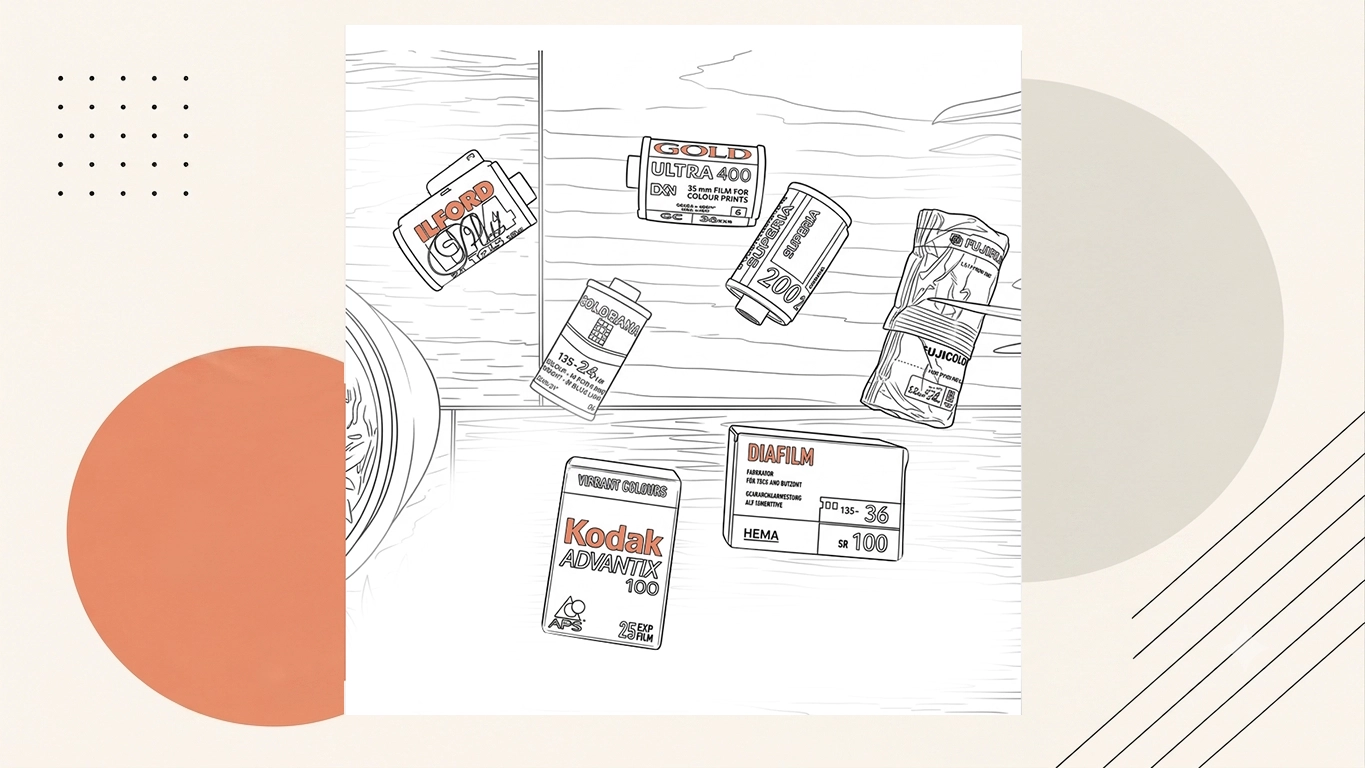
We develop and scan a wide range of film formats, including 35mm, 110, 120, 126, and APS. Each film type is processed using its correct chemicals and timings to ensure consistent quality. We can also develop both colour negative (C-41) and black & white films.