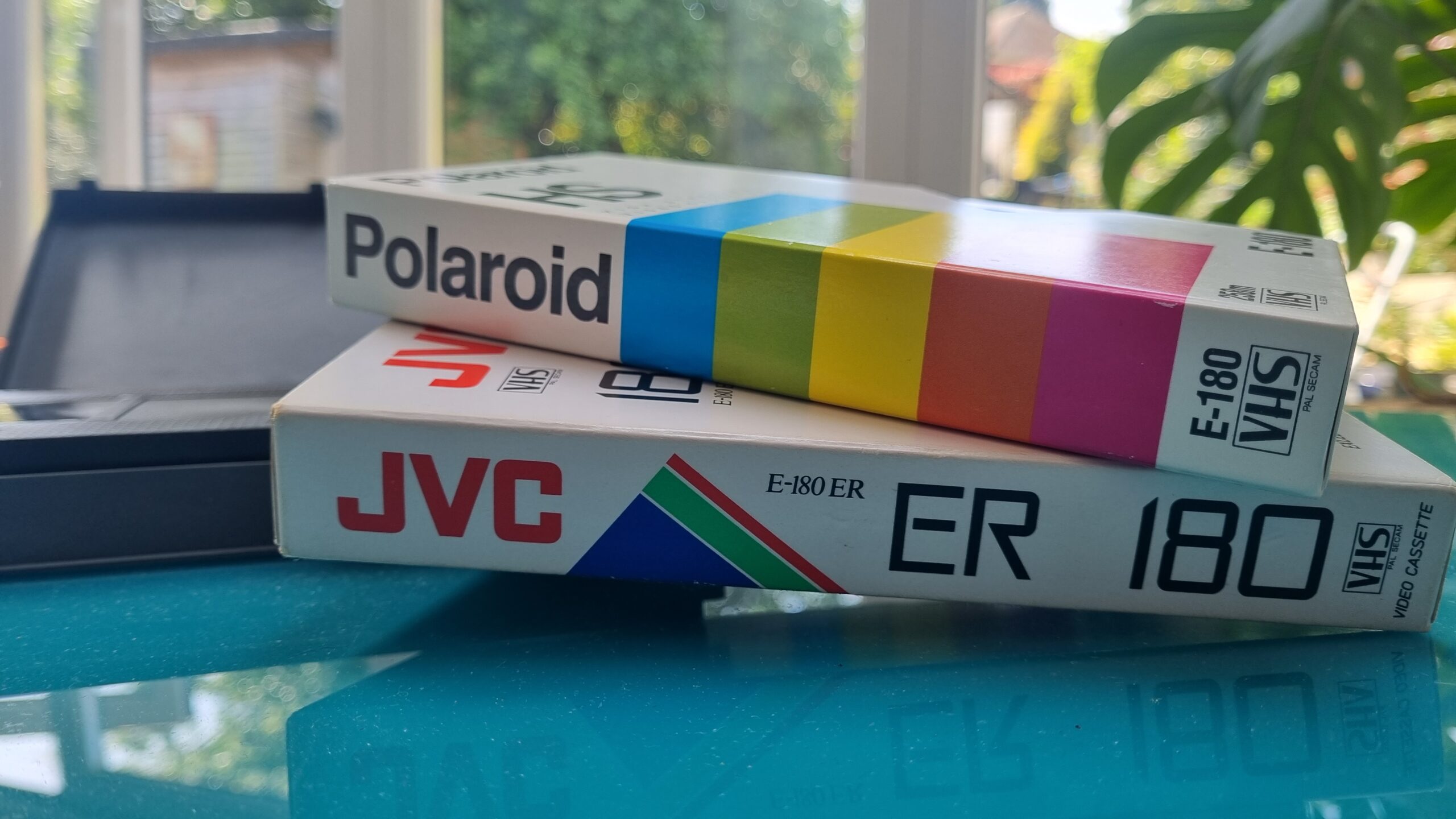

What Is VHS?
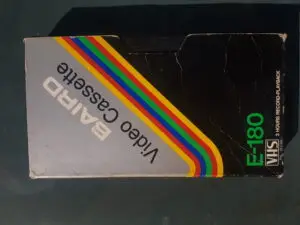
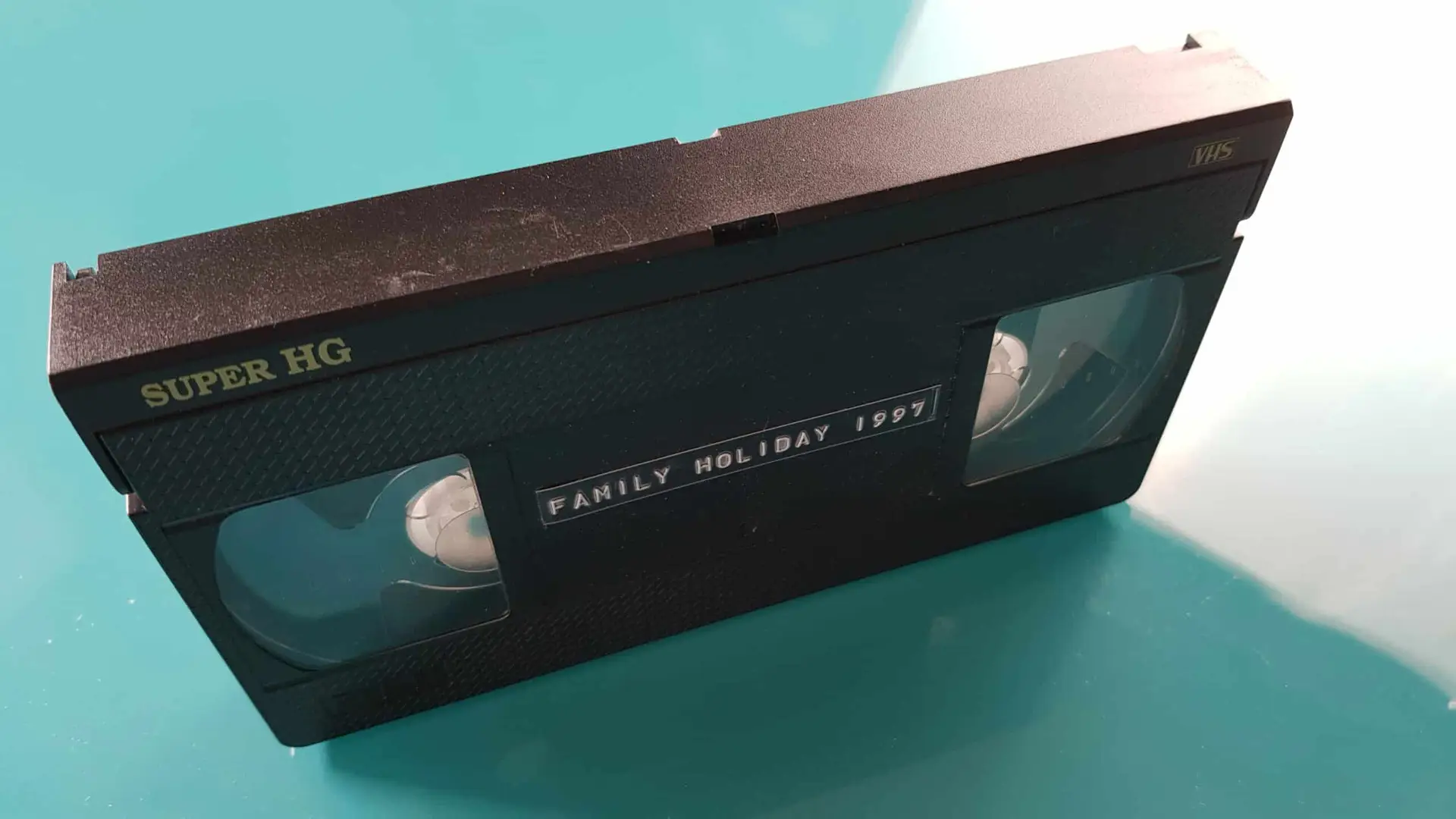
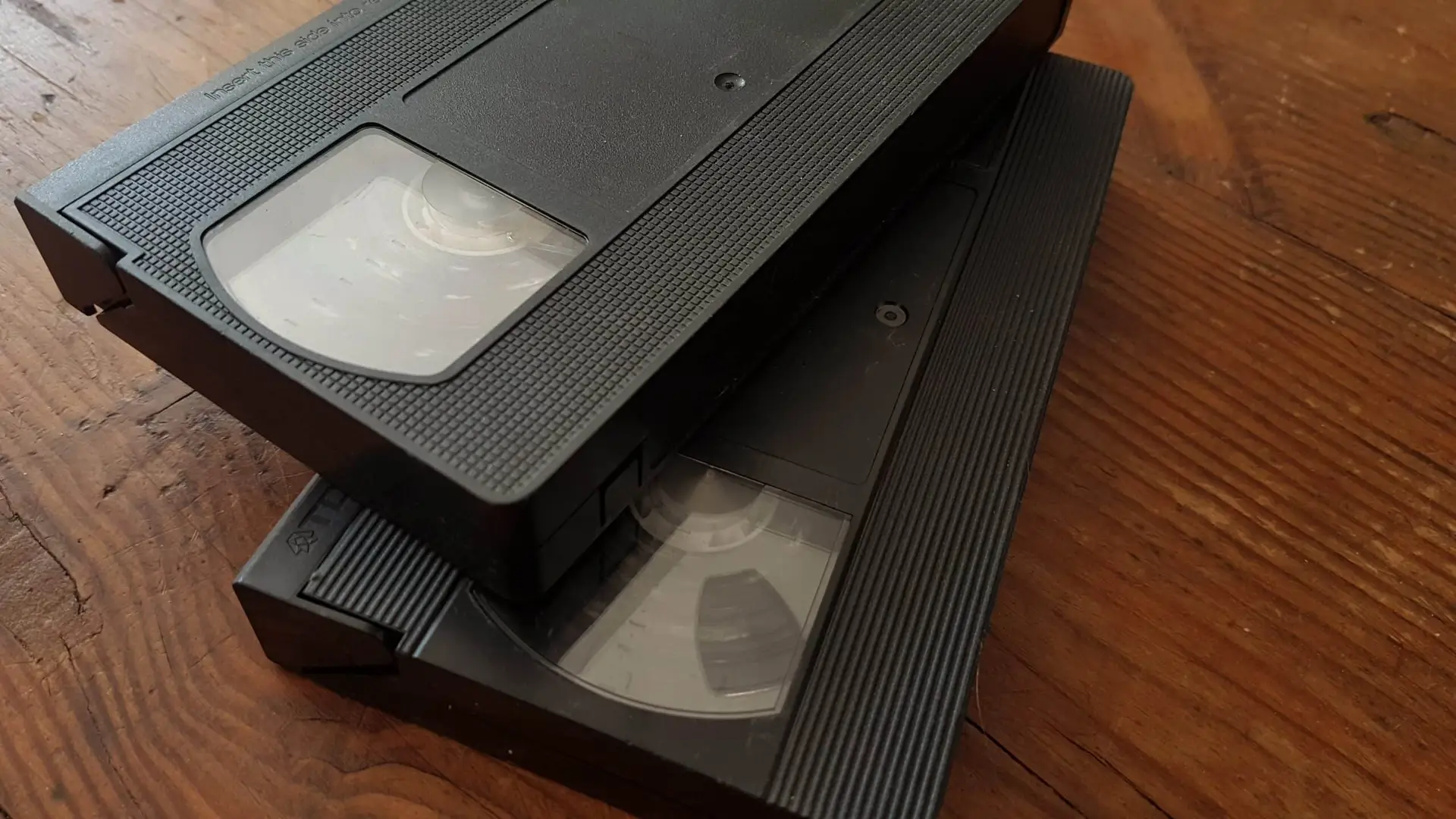
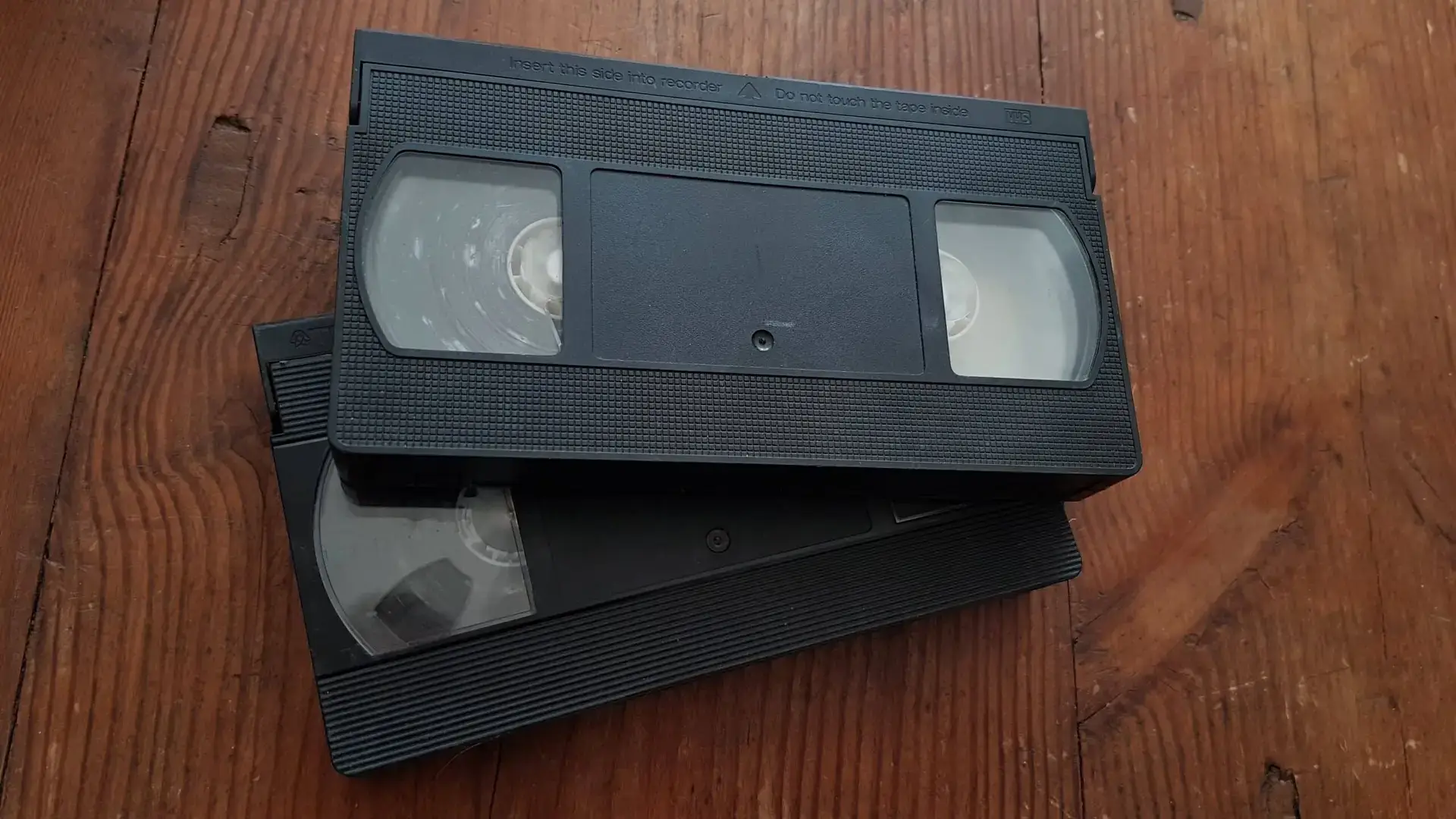
VHS means Video Home System. It is a cassette-based videotape format that allowed people to record television, watch rented films and keep family footage at home.
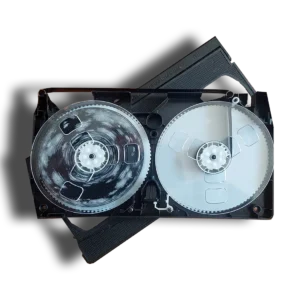
A VHS cassette contains a long strip of magnetic tape inside a plastic shell. When played in a video cassette recorder, or VCR, the machine reads the signal from the tape and turns it into moving pictures and sound on a television.
For many older families in the UK, VHS became the main way to record weddings, birthdays, school plays, holidays, Christmas mornings, television appearances and family gatherings.
Why VHS Became So Popular
VHS changed home entertainment because it gave ordinary households control over what they watched and when they watched it.
Before VHS, most people had to watch television live. With a VCR, families could record programmes, pause memories, rent films from the local video shop and build a small home library.
VHS became especially popular because:
- tapes were widely available
- recorders became more affordable
- video rental shops appeared on high streets
- tapes could record several hours of footage
- camcorders made home filming easier
- the format was simple for families to use
The British Film Institute describes videotape as a major part of television, film and archive history, while also noting the preservation challenges caused by ageing tape formats.
Expert Insight
The BFI’s work with videotape archives shows why old formats need specialist care. If a VHS tape contains irreplaceable family footage, avoid repeated test playbacks on unreliable machines.
How VHS Tapes Work
A VHS cassette stores video and audio on magnetic tape. The tape passes through a VCR, where spinning heads read the signal at an angle. This is why old tapes can suffer from tracking lines, picture wobble, muffled sound or dropouts.
The picture quality of VHS is modest by modern standards, but that does not make the content less valuable. A slightly soft recording of a wedding speech or a grandparent’s voice may be far more important than a sharp modern video.
Common VHS problems include:
Picture Noise
This may appear as lines, snow, flicker or unstable colours.
Tracking Issues
Poor tracking can make the image roll, jump or show thick horizontal bands.
Sound Problems
Ageing tape, poor recording levels or damaged tape edges can cause low, muffled or distorted audio.
Mould
VHS tapes stored in lofts, garages or damp cupboards can develop mould. These should not be played in a normal VCR.
VHS, VHS-C and S-VHS: What Is the Difference?
VHS is the standard full-size home video cassette. However, many families also have related formats.
VHS-C
VHS-C is a compact version of VHS used in camcorders. The “C” stands for compact. These small tapes often contain family holidays, birthdays and home movies. They usually need an adaptor or specialist equipment before playback.
S-VHS
S-VHS, or Super VHS, offered improved picture quality compared with standard VHS. It was used by some keen home users, schools, clubs and semi-professional videographers.
Camcorder Tapes Often Get Misidentified
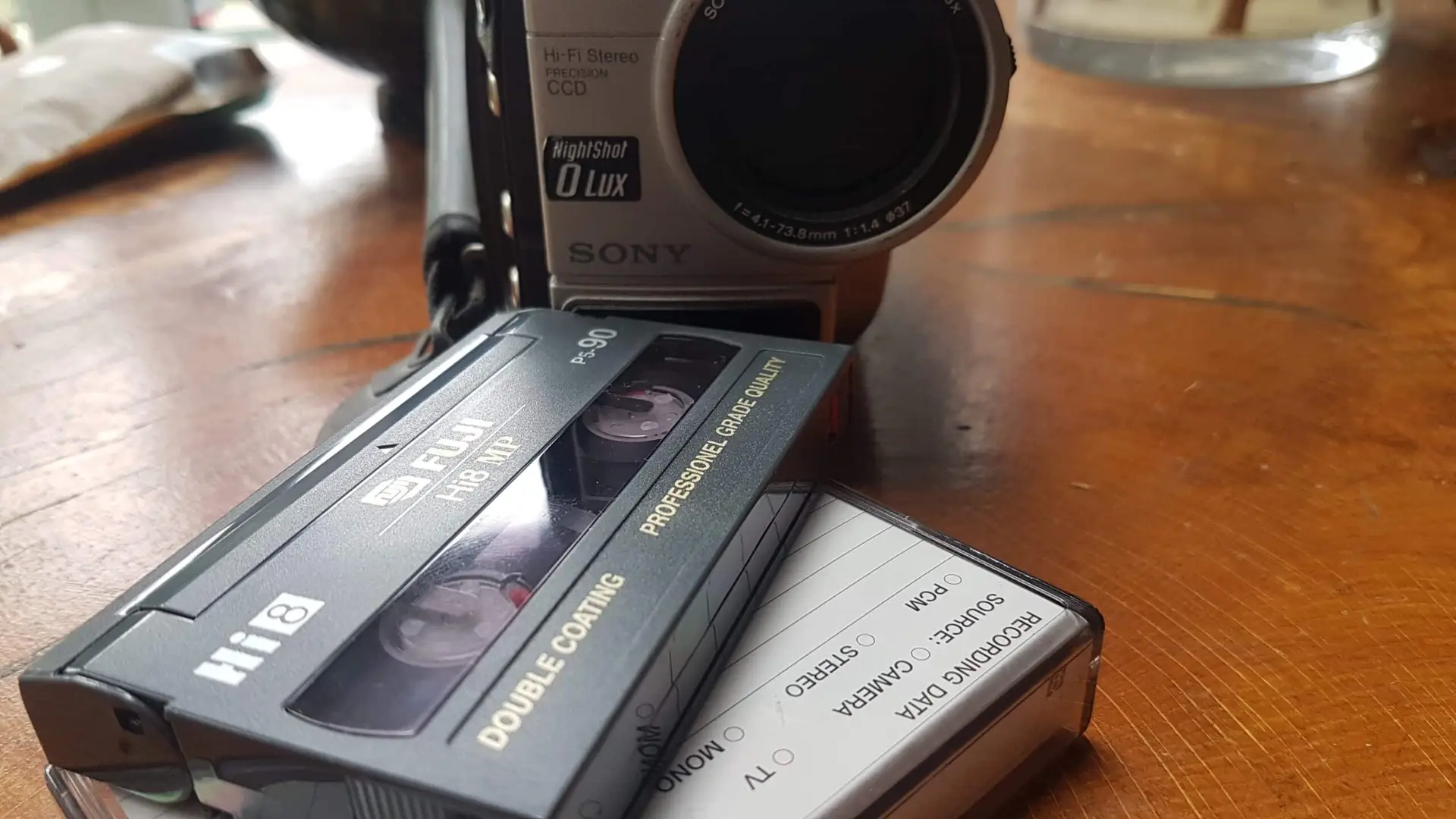
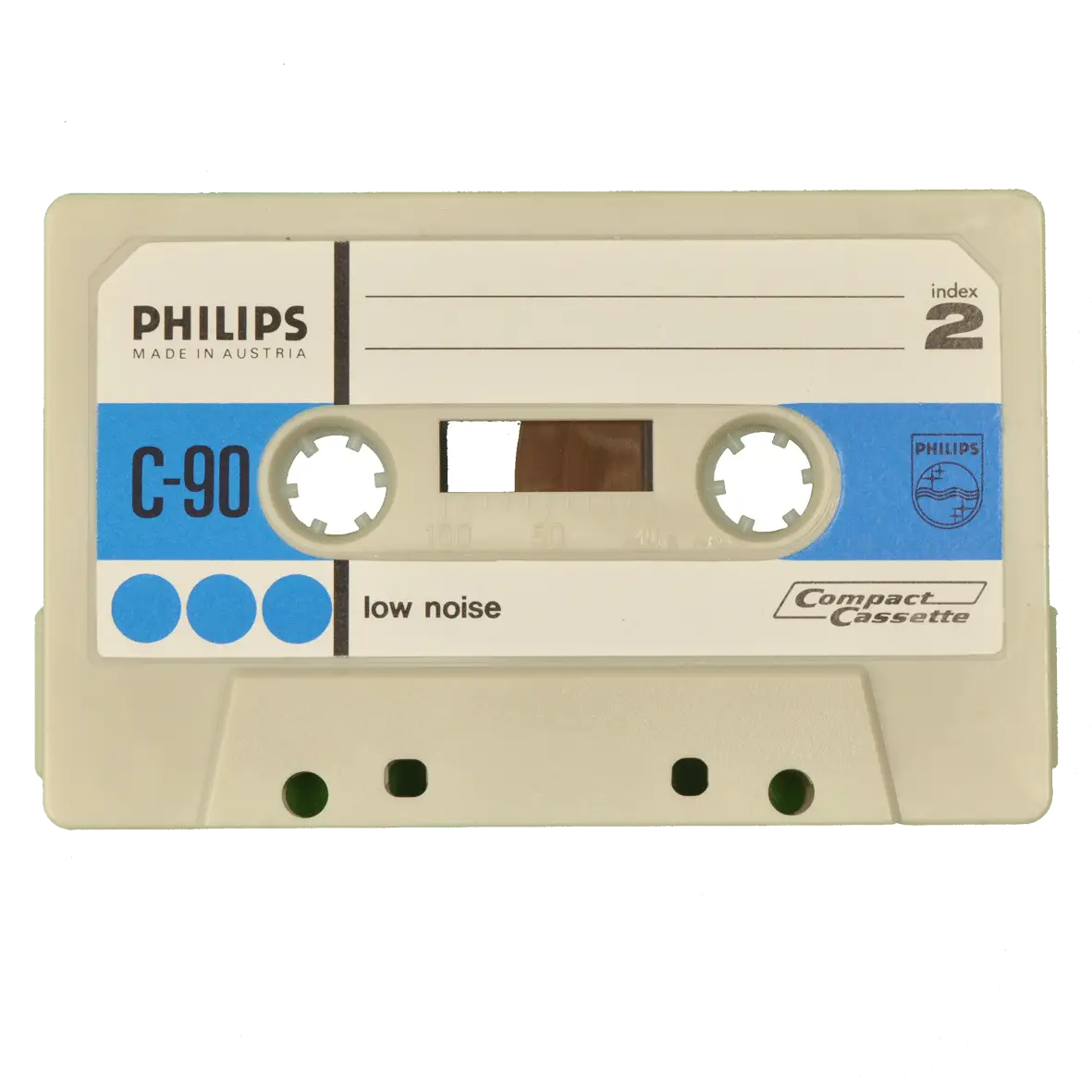
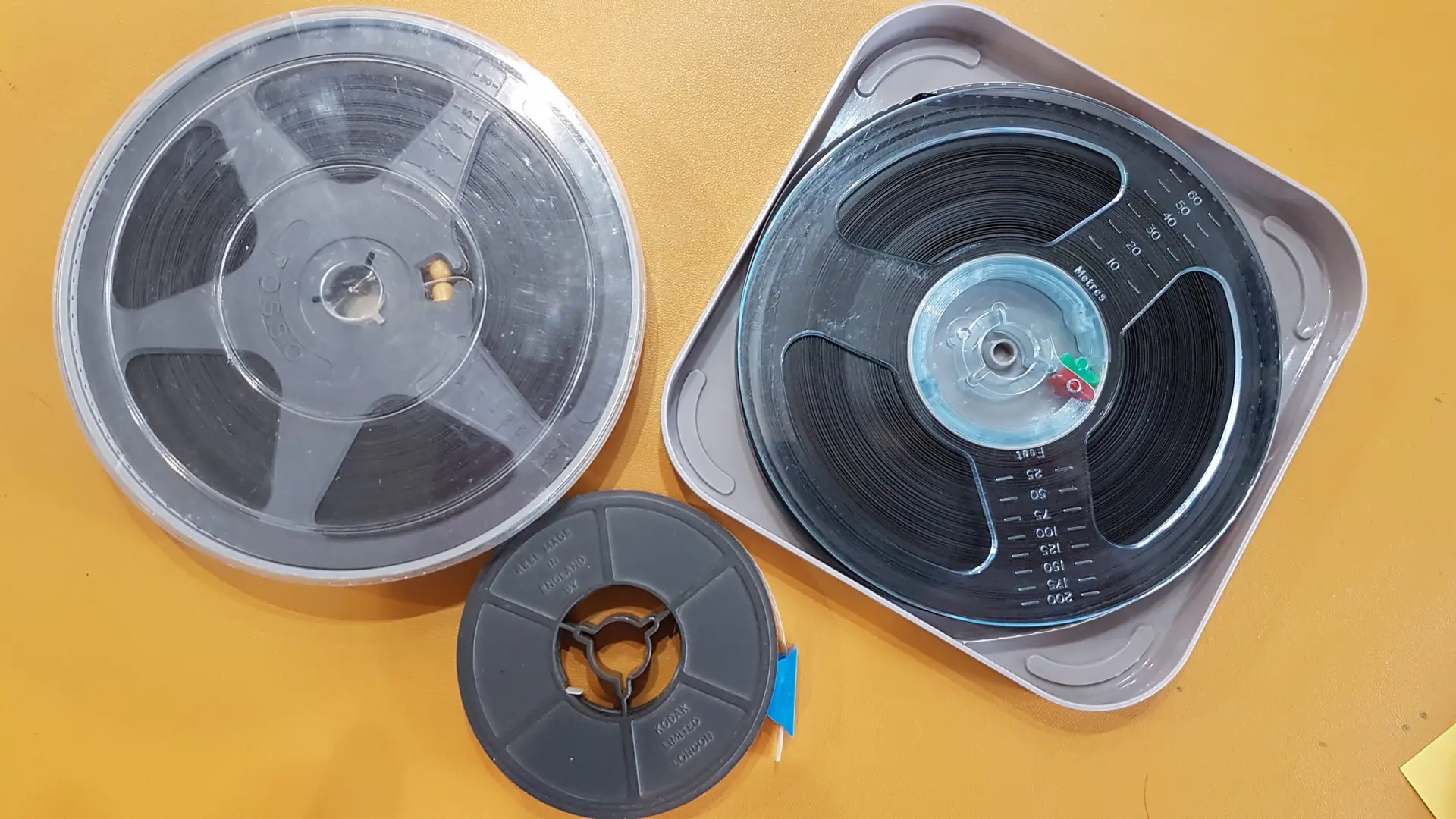
Many people call all old video tapes “VHS”, but smaller formats may actually be VHS-C, Video8, Hi8, Digital8, MiniDV or another camcorder format. If you are unsure, a specialist studio can identify the format before transfer.
Supaphoto’s video preservation team handles a wide range of tape formats and can assess what you have before conversion.
How Long Do VHS Tapes Last?
There is no single expiry date for VHS. Storage conditions, tape quality, mould, humidity, heat and playback history all matter.
A tape kept indoors in stable conditions may survive far better than one stored in a loft, shed or damp garage. However, even well-kept magnetic tape can lose quality over time. The bigger risk is often machine availability: working VCRs are becoming older, less reliable and harder to maintain.
The National Archives gives practical guidance on preserving video recordings, including the importance of format identification, storage, playback and digitisation planning.
Expert Insight
Store VHS tapes upright, dry and away from heat. Do not rewind or play a tape that smells musty, shows white patches or has visible mould.
Signs Your VHS Tapes Need Attention
You should consider digitising your tapes soon if you notice:
- the cassette smells damp or musty
- the tape window shows white, grey or powdery marks
- the picture rolls or breaks up
- sound cuts in and out
- the tape has been stored in a loft or garage
- the cassette case is cracked
- the tape contains irreplaceable family footage
- you no longer have a reliable VCR
Do not try to clean mouldy tapes yourself with household products. This can damage the tape, contaminate your VCR and make professional recovery harder.
VHS to DVD, VHS to Digital or VHS to USB?
Many people still ask for VHS to DVD because DVDs feel familiar and easy to play. DVDs can be a useful viewing copy, especially for older relatives who already have a DVD player.
However, digital files are usually more flexible. They can be stored, backed up, copied, edited and shared more easily. A USB stick is convenient for watching on many smart TVs and computers, while MP4 files are useful for long-term access and family sharing.
A sensible approach is often:
VHS to DVD
Best for simple playback on a DVD player.
VHS to USB
Best for easy storage and viewing on modern devices.
VHS to Digital Files
Best for sharing, editing, backing up and keeping copies in more than one place.
If you want a simple modern option, Supaphoto can help you convert old tapes into files you can watch and share.
DIY VHS Digitisation: Is It Worth It?
DIY digitisation is possible, but it takes time and care. You need a working VCR, suitable cables, a capture device, software, storage space and enough patience to record every tape in real time.
A two-hour VHS tape usually takes at least two hours to capture. You may then need extra time for checking, trimming, naming files and correcting problems.
Common DIY mistakes include:
- using a poor-quality capture device
- playing mouldy or damaged tapes
- choosing the wrong recording settings
- creating files that are too compressed
- not checking the sound properly
- failing to back up the finished files
- using an old VCR that damages fragile tapes
A professional digitisation company can be a safer choice when tapes are valuable, damaged, mouldy or irreplaceable. Supaphoto Ltd, for example, uses a dedicated UK studio, professional inspection, careful handling, tape repair where appropriate, specialist equipment, quality checks and order tracking throughout the process.
Expert Insight
DIY can work for simple tapes, but preservation is not just “press play and record”. The Library of Congress and archive bodies stress careful handling, stable storage and planned migration for audiovisual material.
What Happens During Professional VHS Conversion?
A careful VHS transfer process should include more than basic playback.
At Supaphoto, tapes are inspected before work begins. If a tape shows signs of mould, damage or deterioration, the studio can advise before transfer. Where suitable, technicians use specialist equipment and different playback settings to achieve the best possible result from the original recording.
A good workflow may include:
Initial Inspection
The cassette is checked for obvious damage, mould or handling risks.
Format Identification
The studio confirms whether the tape is VHS, VHS-C, S-VHS or another format.
Careful Playback
The tape is played on appropriate equipment to reduce the risk of damage.
Digital Capture
The video and audio are transferred into a modern digital format.
Quality Assurance
The recording is checked for playback, sound and transfer issues.
Output and Return
The finished files, DVD or USB copy are supplied, and the original tapes are returned.
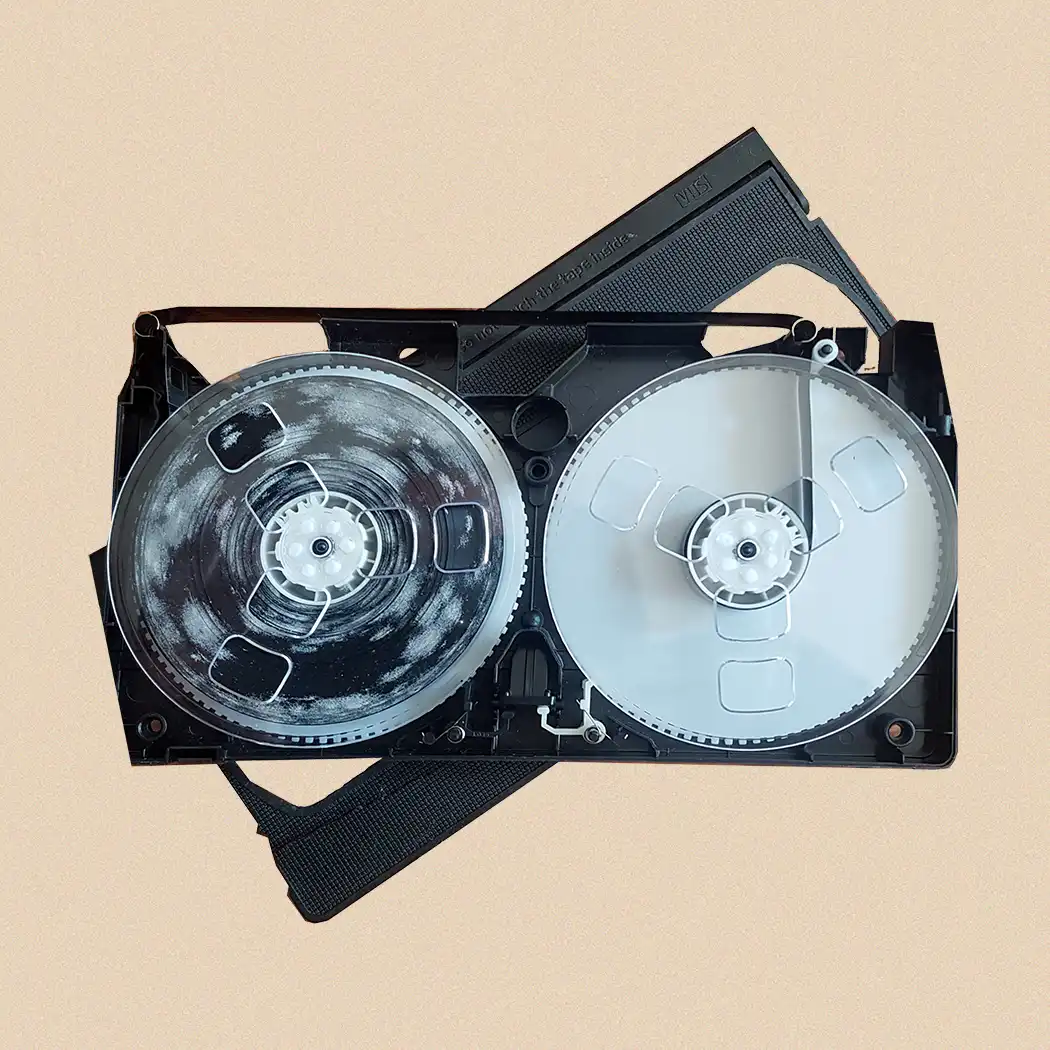
A professional inspection helps identify mould, damage and playback risks before conversion begins.
© Image by Supaphoto
What Can You Do After Digitising VHS?
Digitising VHS is not just about saving old tapes. It also gives families new ways to enjoy and share their memories.
| Project idea | What you can create | Best format |
|---|---|---|
| Family archive | Organised folders by year, person or event | Digital files |
| Birthday gift | A short edited memory film | MP4 |
| Memorial tribute | Selected clips with speeches and family moments | MP4 or DVD |
| Care home viewing copy | Easy playback for older relatives | DVD or USB |
| Family history project | Interviews, weddings and home movies preserved together | Digital files |
| Social sharing | Short clips for private family groups | MP4 |
| Backup collection | Copies stored in more than one place | Digital files |
For ideas on how to turn old recordings into meaningful family projects, Supaphoto’s inspiration section is a useful place to start.
Frequently Asked Questions About VHS
What does VHS stand for?
VHS stands for Video Home System. It was the most successful home videotape format of the 1980s and 1990s.
Can VHS tapes still be played?
Yes, but you need a working VCR. Good machines are becoming harder to find, and faulty players can damage old tapes.
Can mouldy VHS tapes be converted?
Often, yes, but they need specialist assessment. Do not play mouldy VHS tapes in a home VCR.
Is VHS quality better on DVD or USB?
The original VHS quality is the starting point. USB or digital files are usually more flexible, while DVD can be useful for simple playback.
Should I keep my tapes after digitising?
Yes. Keep the originals if they are important to you, even after conversion. Store them somewhere dry, cool and stable.
Conclusion
VHS was once at the centre of home video, but the tapes and equipment used to play them are now ageing. If your cassettes contain family memories, creating DVD copies of VHS recordings can make those moments easier to watch, share and preserve for years to come.
Sign up to the Supaphoto newsletter for practical tips on preserving old photos, tapes and family recordings.
Request a quotation if you would like your VHS tapes inspected and converted by a specialist UK studio.
Share this guide or follow Supaphoto on social media to help other families protect their memories.