
Did Home Taping Really Kill Music?
Home taping did not kill music. The cassette instead changed how people discovered, copied, organised and shared recordings. The music industry feared that every duplicated album or radio recording represented a lost sale, but cassette culture also encouraged discovery, mixtapes, independent music and more personal ways of listening.
The story is best understood as several developments happening at once:
- Compact cassettes made recording inexpensive and convenient.
- Music fans could copy records, radio broadcasts and other tapes at home.
- The record industry became concerned about copyright infringement and lost revenue.
- Mixtapes turned listeners into curators rather than passive consumers.
- Portable cassette players made personally selected music part of everyday life.
- The argument foreshadowed later disputes over CDs, MP3s, file sharing and streaming.
The famous warning that home copying threatened music therefore tells us as much about changing technology and consumer behaviour as it does about piracy.
Why Home Taping Became Such a Big Issue
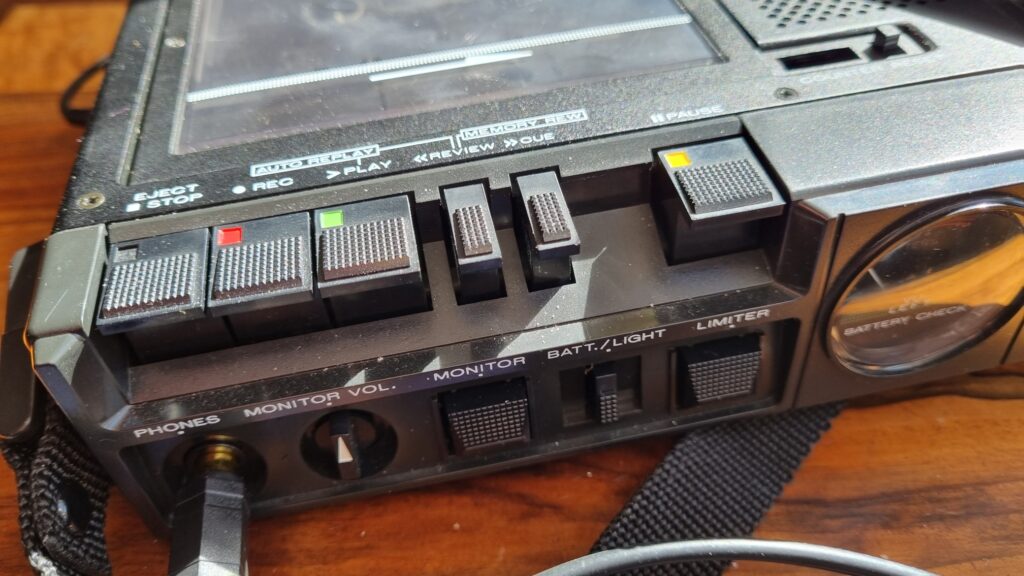
To understand the controversy, it helps to remember how revolutionary the compact cassette was.
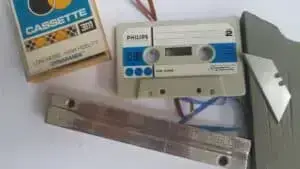
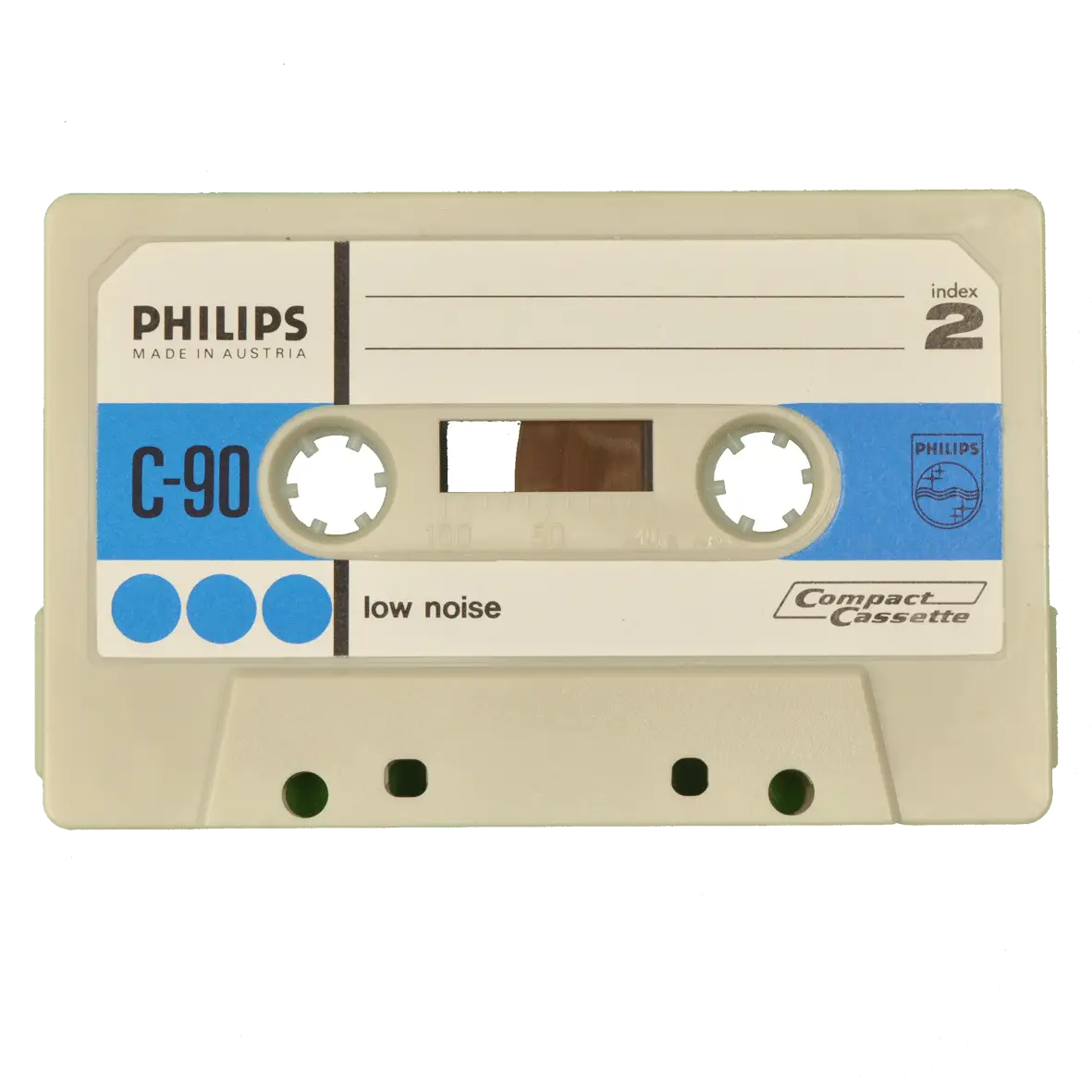
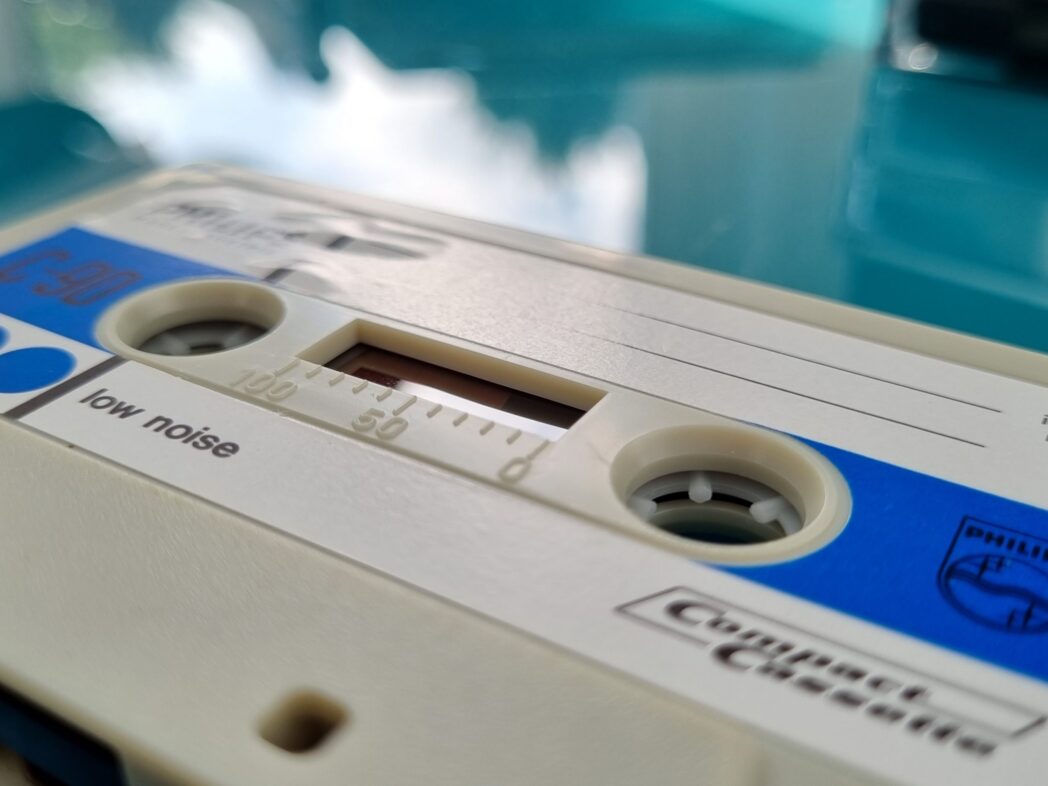
Philips introduced the Compact Cassette in 1963, initially positioning the format primarily as a practical recording system. The Science Museum Group also dates Philips’ introduction of the audio compact cassette to 1963.
Unlike a vinyl record, a cassette was both a playback medium and a recording medium.
Anyone with suitable equipment could:
- record a programme from the radio;
- copy music from a record;
- duplicate another cassette;
- record their own voice or music;
- compile favourite songs onto one tape;
- make recordings for work, education or family use.
That record button fundamentally altered the relationship between the listener and recorded music.
A record arrived with its track listing decided by the artist and label. A blank cassette arrived empty. The owner decided what happened next.
The Cassette Put Music Fans in Control
During the 1970s, cassette technology improved while players and recorders became increasingly affordable.
Then portable listening transformed the format again.
Sony launched its first Walkman, the TPS-L2, in 1979. Sony’s historical records describe it as the company’s first Walkman stereo cassette player and credit the product with creating a new way of enjoying music away from the home.
Suddenly, a cassette was not merely something played through the family stereo.
Music could travel.
People listened while walking, commuting, exercising or sitting on the bus. Car cassette players further extended that freedom.
Home taping complemented this change perfectly. Instead of taking an entire album, listeners could create a tape specifically for a journey, party, holiday or person.
That was where the mixtape became culturally important.
Home Taping Was About More Than Copying Albums
The simplest description of home taping is copying recorded music onto a blank cassette, but that misses much of what people actually did with the technology.
A teenager might wait beside the radio for a favourite song, pressing record at exactly the right moment and hoping the presenter did not speak over the introduction.
Someone else might create a compilation from several records.
Friends swapped tapes containing bands that were difficult to hear elsewhere. Couples assembled carefully sequenced compilations for each other. Amateur musicians recorded rehearsals, demos and ideas.
Blank tape also served countless non-musical purposes, including interviews, lectures, language practice, answering machines, oral histories and family recordings.
The cassette was therefore both a copying technology and a creative medium.
That distinction became important when the recording industry began portraying home recording principally as a threat.
What Did “Home Taping Is Killing Music” Mean?
In the early 1980s, the British recording industry launched an anti-copying campaign warning consumers about home taping.
Its most memorable imagery combined a cassette with a skull-and-crossbones-style symbol. The campaign argued that unauthorised copying reduced legitimate record sales and therefore threatened the economics supporting recorded music.
The concern itself was understandable.
Once someone owned a record or cassette, the technology increasingly made it possible to produce another playable copy without buying a second commercial release.
Twin-deck cassette machines made the process particularly straightforward.
The debate reached Parliament. In February 1986, MPs discussed recording-industry concerns about widespread copying from records, prerecorded tapes and radio broadcasts.
Yet one difficult question sat underneath the campaign:
Did every copied recording really represent a lost sale?
There was no reliable way to assume that it did.
Someone who copied an unfamiliar album from a friend might never have bought it. Another listener might discover an artist through the copy and subsequently buy records or concert tickets.
Home taping therefore had effects that were much harder to measure than a simple equation of “one tape equals one lost sale”.
Did Cassette Copying Actually Damage Record Sales?
There is no persuasive historical basis for saying that home taping “killed music”.
The more defensible conclusion is that it challenged an established business model while simultaneously expanding the ways audiences could encounter and use recorded music.
Academic research into the campaign has highlighted precisely this difficulty. Treating every copied album as a lost purchase ignores whether the person would actually have bought the recording and whether copying could itself introduce listeners to music they later supported financially.
This distinction matters.
| Industry concern | What listeners were also doing |
|---|---|
| Copying an album instead of buying it | Sampling unfamiliar music before purchasing |
| Recording songs from radio | Discovering new performers |
| Duplicating friends’ tapes | Sharing obscure or independent music |
| Making compilations | Curating personalised listening |
| Buying blank tapes | Recording speech, family events, rehearsals and education |
| Using twin decks | Copying personally created recordings as well as commercial material |
Copyright infringement certainly occurred.
But the cassette also increased music’s mobility, accessibility and social reach.
Those two facts can coexist.
Mixtapes Changed the Meaning of Listening
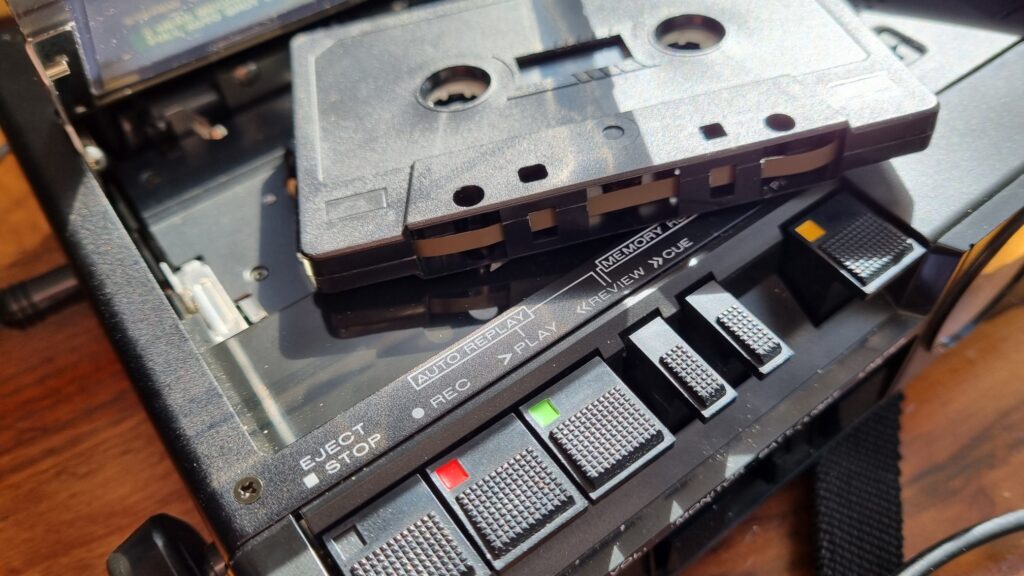
The mixtape may be home taping’s most enduring cultural contribution.
Making one involved more effort than creating a digital playlist today. Tracks often had to be recorded individually and in real time. The available running time mattered. Songs needed to fit on each side of the cassette.
Sequencing mattered too.
Which track should open the tape? Should two songs by the same artist sit together? Was the final song strong enough? Would the tape run out halfway through it?
These restrictions created a distinctive kind of amateur editing.
Listeners became curators.
Instead of simply consuming the order selected by a record company, people constructed their own listening experiences from multiple sources. The cassette’s pause, record, rewind and erase functions made recorded music surprisingly malleable for an analogue format.
That behaviour looks remarkably familiar today.
Modern playlists use completely different technology, but the underlying impulse is much the same: choose tracks, arrange them, give the collection a purpose and share it with somebody else.
DIY Music Benefited from Cassette Culture
Home recording also mattered beyond mainstream commercial releases.
Punk, post-punk, experimental music and other grassroots scenes could use inexpensive tapes to circulate recordings without the expense of pressing conventional records.
Hip-hop’s early tape culture similarly demonstrated what happened when recording technology became accessible outside traditional studios and distribution networks.
Artists could record performances, exchange ideas, create demos and pass music directly between listeners.
This blurred the boundary between consumer and creator.
A person with a cassette recorder could listen to music one moment and record their own material the next.
That is one reason the home-taping dispute now feels like an early version of later arguments about digital technology. Each new generation of media has made copying, remixing or distribution easier, forcing copyright owners, creators and audiences to renegotiate expectations.
Twin-Deck Recorders Took the Argument to Court
The conflict eventually involved one of Britain’s best-known consumer-electronics businesses.
Record companies challenged the marketing of Amstrad twin-deck cassette machines, arguing that the equipment facilitated copyright infringement.
The dispute reached the House of Lords in CBS Songs Ltd v Amstrad Consumer Electronics plc, decided on 12 May 1988.
The court rejected the attempt to make Amstrad responsible simply because its equipment could be used to infringe copyright. The machines were capable of lawful as well as unlawful uses, and supplying the equipment was not itself the same as authorising infringement.
That distinction remains remarkably relevant.
Technologies frequently have both legitimate and infringing applications. Cassette decks were followed by CD writers, computers, MP3 encoders, peer-to-peer networks, cloud storage and countless other tools that raised variations of the same debate.
Was Home Taping Legal in the UK?
The historical legal position was more complicated than nostalgia sometimes suggests.
Copyright generally gives rights holders control over reproduction. Current Intellectual Property Office guidance still identifies copying recorded music as an example of reproduction covered by copyright.
The UK’s approach to private copying has also changed over time.
A personal-copying exception introduced in October 2014 briefly permitted consumers to make certain private copies of material they owned, such as transferring purchased music between personal devices. Following a judicial review, that exception was quashed in July 2015.
Current UK guidance therefore should not be reduced to “you bought it, so you can copy it however you like”.
There are specific copyright exceptions, including provisions for activities such as research, criticism and time-shifting broadcasts, but their conditions differ. The UK Government’s copyright guidance explains the principal exceptions and the concept of fair dealing.
For personal archives, another important distinction exists: digitising recordings you created yourself is very different from distributing copies of somebody else’s protected commercial music.
From Mixtapes to MP3s: The Argument Never Really Ended
Home taping did not disappear so much as evolve.
The technology changed:
cassette copying → CD recording → MP3 ripping → file sharing → downloads → cloud libraries → streaming
Each transition altered how listeners expected to access music.
The cassette had already established many of those expectations. People became accustomed to carrying music around, rearranging tracks, making compilations and listening independently of the original physical release.
Digital technology removed many of the cassette’s limitations.
There was no rewinding. Copies could be produced quickly. Thousands of tracks could fit onto a single device. Distribution could happen globally instead of between two friends.
The scale changed dramatically, but several underlying questions were already familiar.
Who controls a recording after somebody buys access to it? When does convenience become infringement? How should creators be paid when copying becomes effortless?
The home-taping controversy was an early chapter in a debate that continues whenever new technology changes media consumption.
Old Home Recordings Now Face a Different Threat
There is an irony in the slogan today.
Home taping did not kill music, but deterioration can certainly destroy the recordings people made.
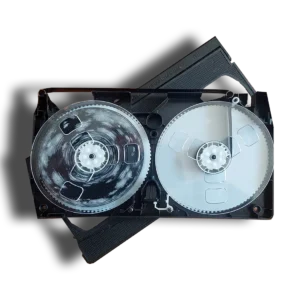
Magnetic tape is a physical medium. Cassettes can suffer from mechanical damage, contamination, poor storage and degradation of their tape or shell components. Playback equipment is also becoming older and less readily available.
The British Library identifies physical degradation and technical obsolescence as major risks to historic sound collections and describes digitisation as central to preserving recordings held on vulnerable formats.
That makes personal tapes worth assessing before they become difficult to play.
Particularly valuable recordings might include:
- family conversations;
- children’s voices;
- wedding speeches;
- interviews with relatives;
- rehearsals or original compositions;
- local performances;
- spoken diaries;
- school recordings;
- radio appearances involving family members;
- unique recordings for which no other copy exists.
For collections that need transferring, Supaphoto’s careful route from ageing cassettes to modern digital files explains how analogue recordings can be made accessible without relying indefinitely on original playback equipment.
There is also practical value in understanding the risks before playing unfamiliar tapes. Supaphoto’s guidance for safeguarding older recorded sound covers preservation considerations for cassettes and other ageing audio formats.
How Should You Preserve Home-Recorded Cassettes?
If a cassette contains something irreplaceable, treat the original as an archive rather than merely an old tape.
A sensible approach is:
- Identify the cassette before playing it.
Keep handwritten labels, cases and notes because they may contain useful dates, names or recording information. - Check its physical condition.
Look for damage to the shell or exposed tape. Do not force mechanisms that appear stuck. - Avoid repeated unnecessary playback.
Every play involves physical contact between the tape and transport mechanism. - Use suitable, well-maintained equipment.
A poorly functioning cassette deck can damage a tape that had previously survived for decades. - Create a high-quality digital preservation copy.
Keep this separately from smaller listening or sharing versions. - Maintain more than one digital backup.
A digital file is only safer when another copy exists somewhere else. - Keep the original tape after transfer.
Digitisation improves access; it does not automatically make the source redundant.
The British Library’s sound-preservation work demonstrates why this matters at institutional scale: historic recordings can be unique, while ageing formats face the combined problems of deterioration and obsolete playback technology.
Frequently Asked Questions About Home Taping
When did home taping become popular?
Home recording expanded as compact cassette equipment became widely available during the 1970s. Portable cassette listening, inexpensive blank tapes and increasingly convenient recorders helped make the practice especially prominent around the late 1970s and 1980s.
Who introduced the compact cassette?
Philips introduced the Compact Cassette in 1963. It went on to become one of the most influential consumer audio formats of the twentieth century.
What was the home-taping campaign?
It was an anti-copying campaign associated with Britain’s recording industry during the early 1980s. It warned that copying commercial music onto blank cassettes threatened record sales and infringed copyright.
Did mixtapes count as home taping?
Yes. Mixtapes were one form of home recording, although their purpose varied enormously. Some compiled commercially released tracks; others contained radio recordings, live performances, spoken material or music made by the cassette owner.
Did the cassette help create modern music culture?
It contributed significantly to portable listening, personal compilations, DIY distribution and music sharing. Many behaviours that seem normal in the playlist era have clear predecessors in cassette culture.
Should old cassette tapes be played before digitisation?
Not automatically. If a tape is unique, damaged or particularly valuable, inspecting its condition first is safer than repeatedly testing it in an unreliable cassette player.
Home Taping Didn’t Kill Music — It Changed Our Relationship With It
The cassette frightened the established recording business because it gave ordinary listeners something earlier mass-market formats had not offered so conveniently: control over recording.
People could copy, edit, compile, share and create.
Some of that activity infringed copyright, and concern about unauthorised duplication was not imaginary. But reducing the entire cassette era to lost record sales ignores what home recording contributed to music culture.
It helped listeners discover artists. It enabled mixtapes and independent distribution. It made music portable and personal. It recorded family voices, amateur performances and moments that were never commercially released at all.
Perhaps the most interesting reversal is what has happened since.
The recordings once criticised because they were so easy to make have become difficult to preserve. Decades later, a handwritten cassette in a drawer may contain something far more precious than the blank tape on which it was recorded.
Home taping did not kill music.
For many families, it preserved sounds that would otherwise have disappeared.
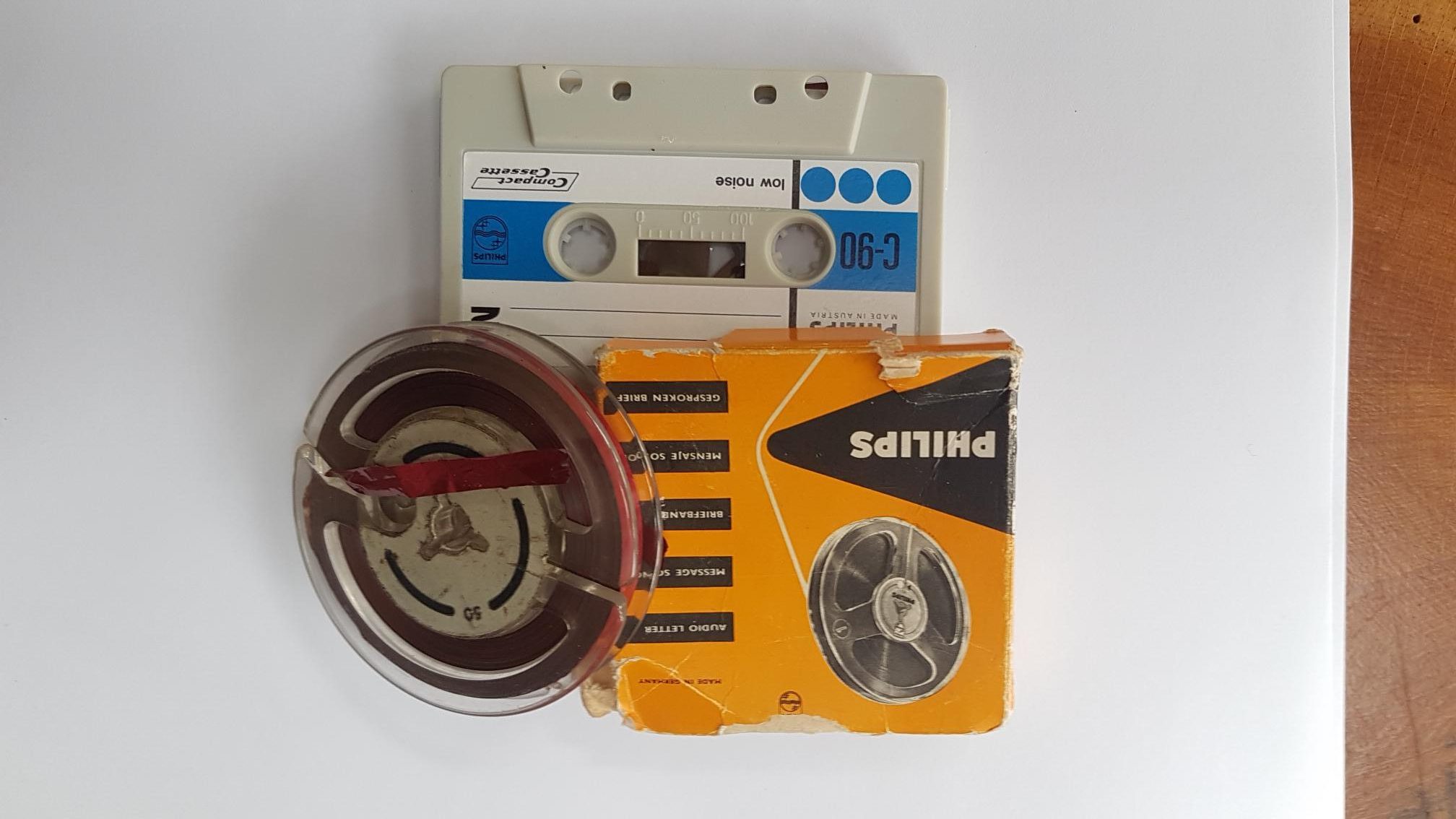
Revive your audio favourites converting your cassette to USB with Supaphoto. We are the number one audio converting service in the UK. For enthusiasts with old reel‑to‑reel tape recordings.