
Why Archiving Memories Matters
Archiving memories means taking deliberate steps to protect photographs, films, videos, audio recordings and other personal items so that you and future generations can continue to access them. A good approach combines careful handling, suitable storage, digital copies and organised records.
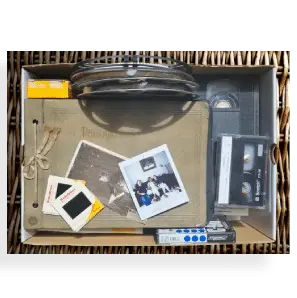
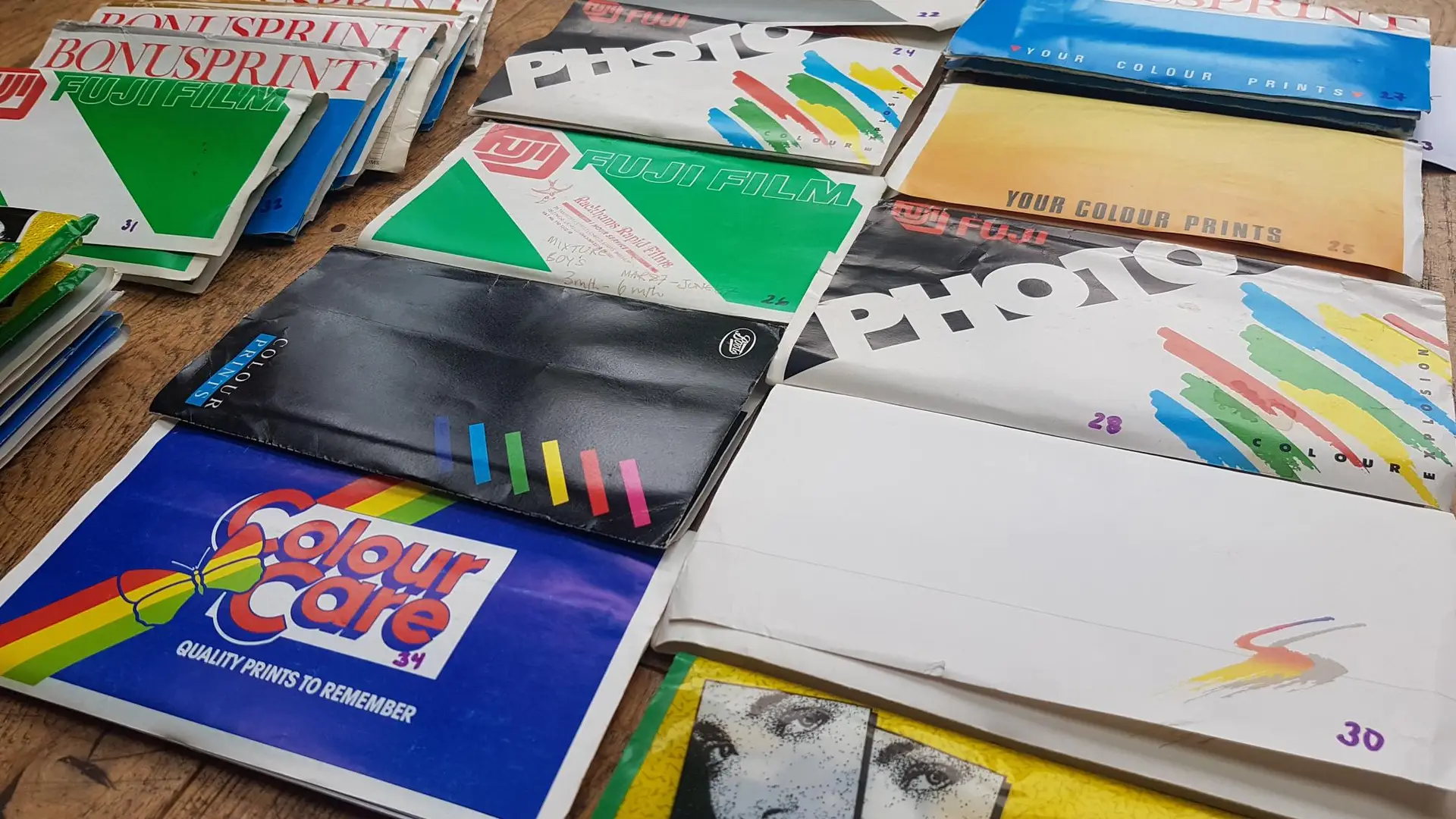
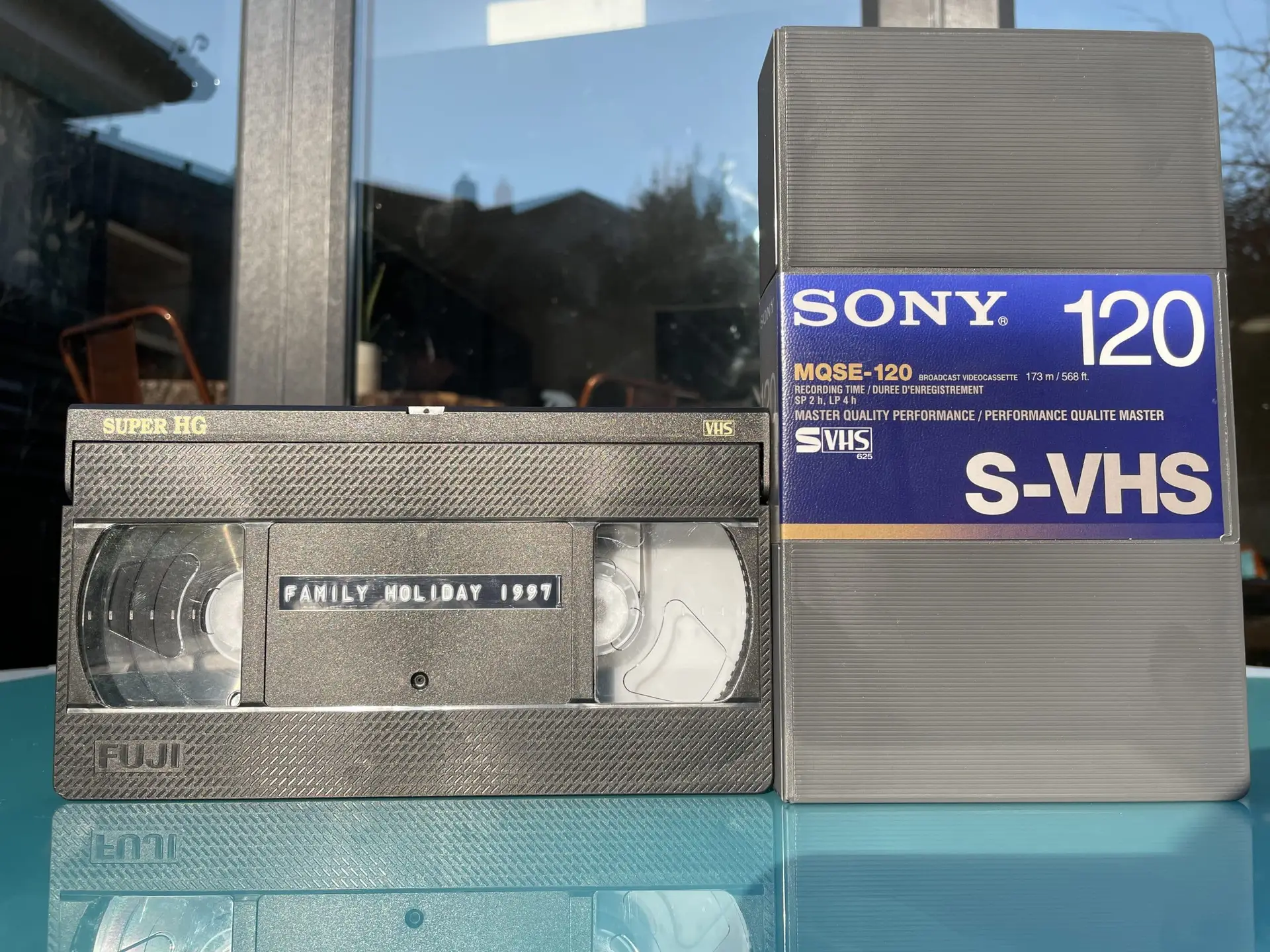
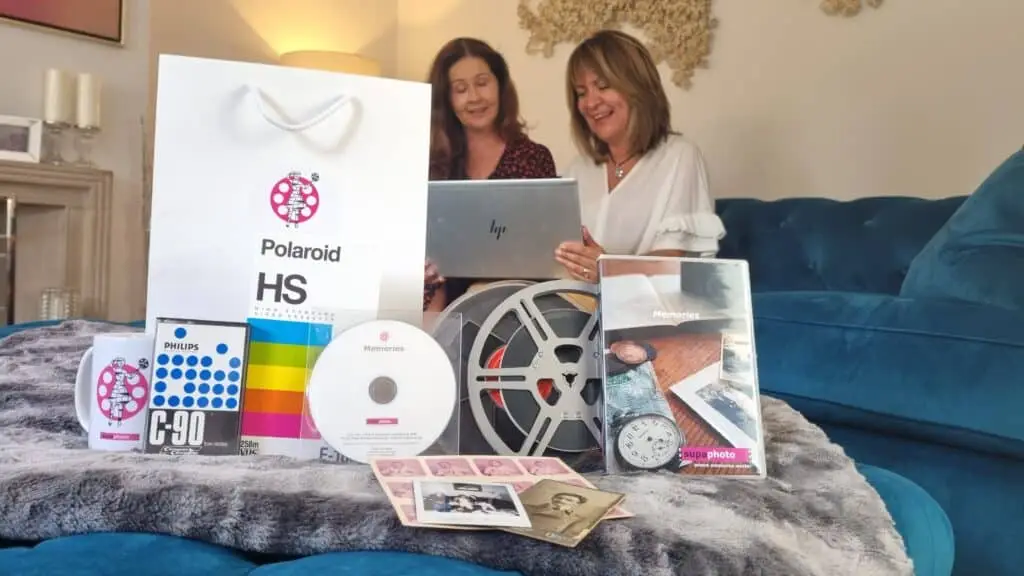
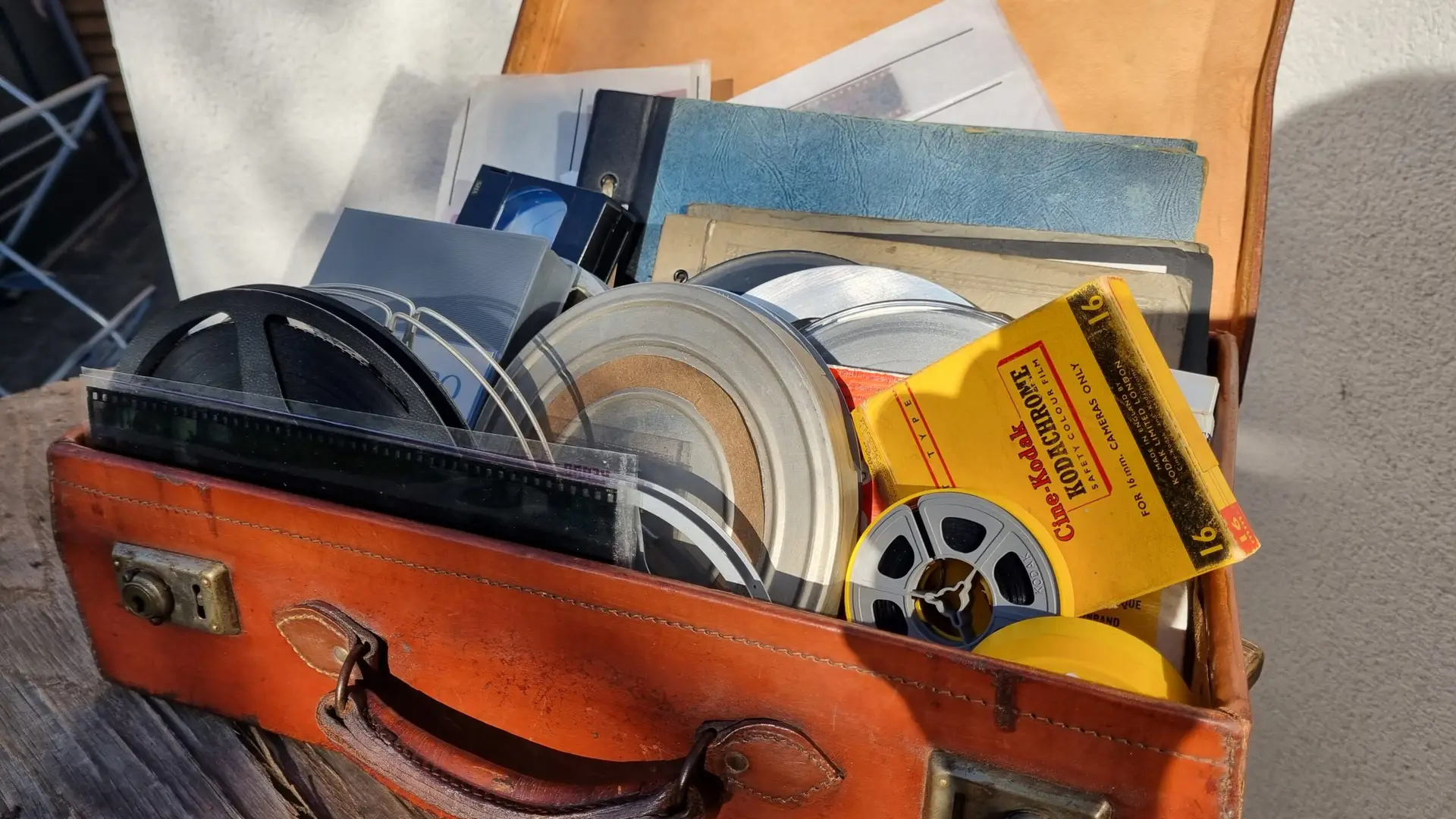
For many families, important memories exist in formats that were never designed to last indefinitely. Photograph albums, negatives, slides, cine film, VHS tapes, audio cassettes and other physical media can all deteriorate. Meanwhile, the equipment needed to view some older formats becomes increasingly difficult to find.
A personal archive does not need to be complicated. It can begin with a box of family photographs or a collection of old home videos. The important step is to recognise what has lasting value and protect it before damage, deterioration or technological change makes access more difficult.
- Identify your most important family records.
- Inspect their condition before handling or transferring them.
- Store originals in stable, suitable conditions.
- Create high-quality digital copies where appropriate.
- Keep more than one copy of important digital files.
- Record information about when, where and by whom items were created.
The National Archives describes personal archives as collections that can include family letters, photographs and memorabilia, demonstrating that valuable archival material does not only belong to major institutions.
What Should You Include in a Family Archive?
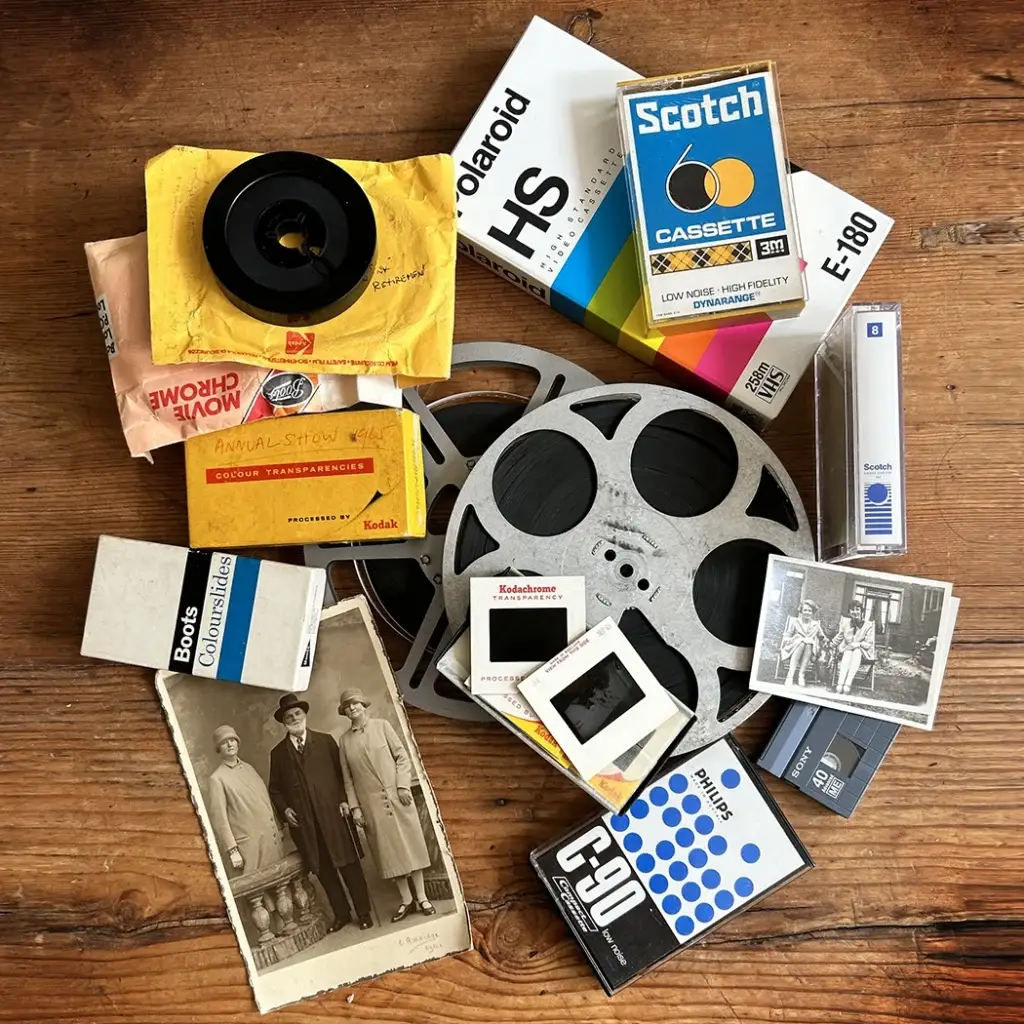
The first challenge is deciding what actually deserves preservation. Some items have obvious sentimental value, while others may become historically important because they document everyday family life.
Consider including:
| Type of memory | Examples | Preservation concern |
|---|---|---|
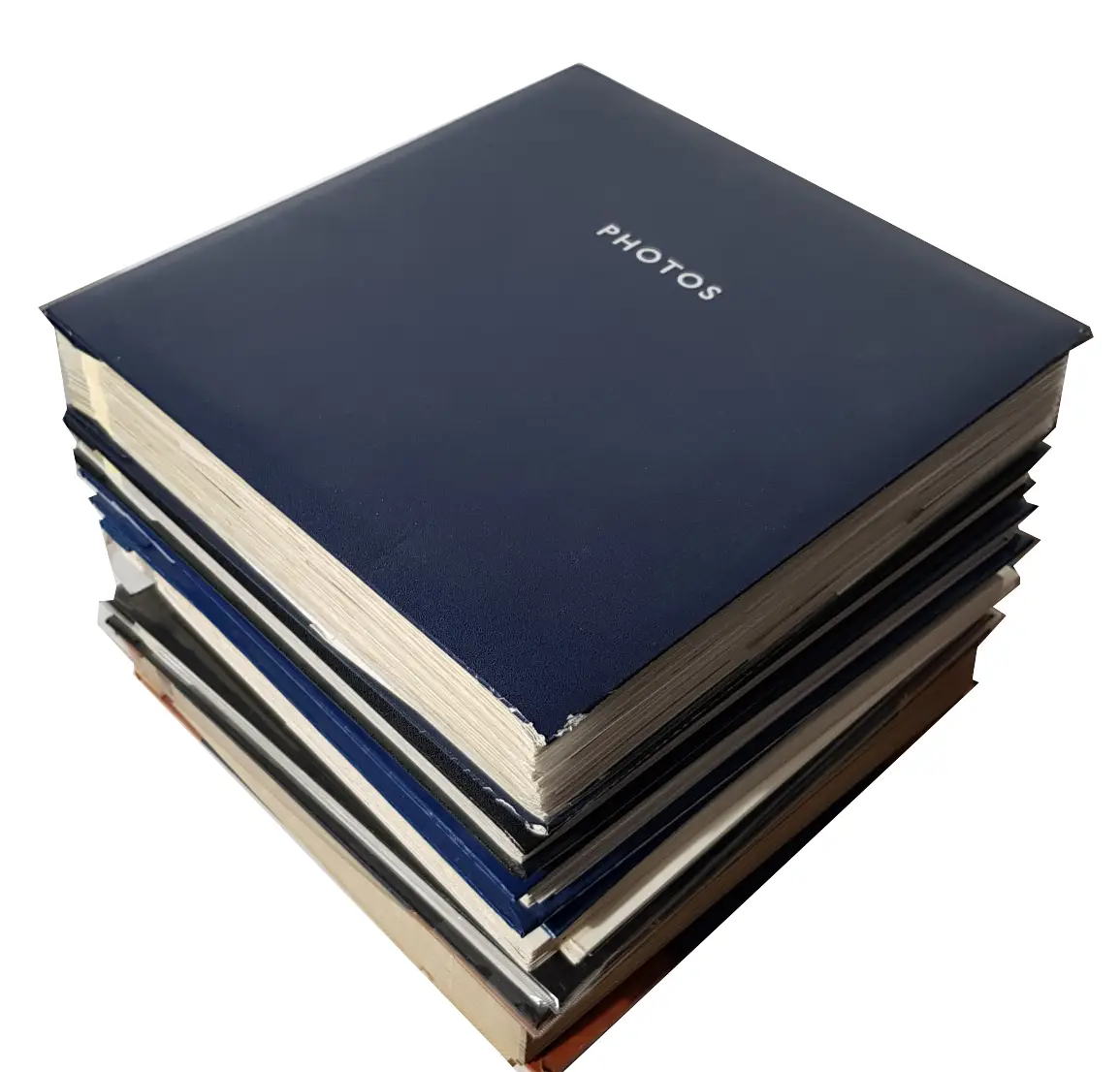
| Printed photographs | Family portraits, holidays, celebrations | Fading, physical damage and poor storage |
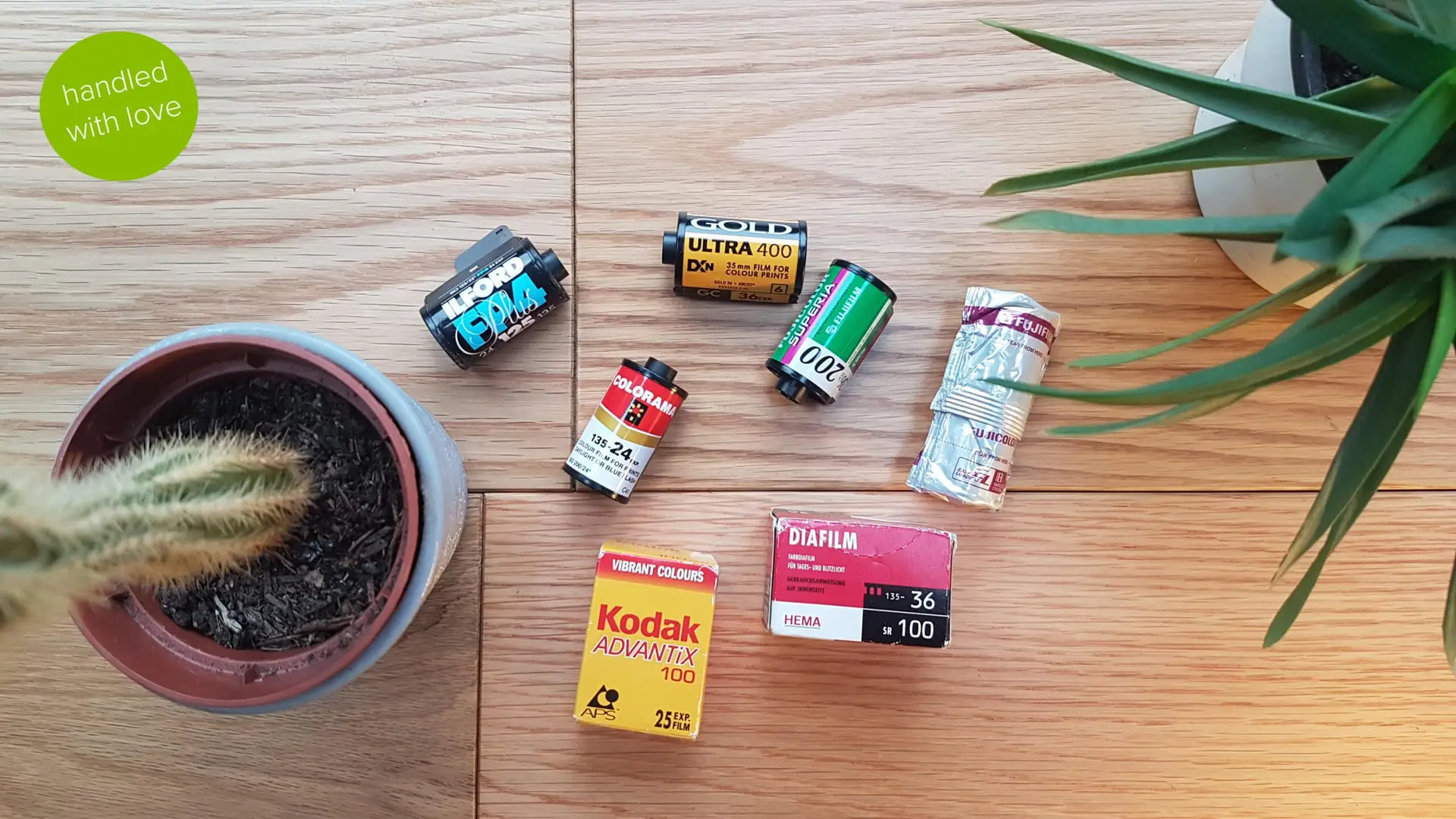
| Negatives | 35mm and other photographic negatives | Scratches, dust, fading and chemical deterioration |
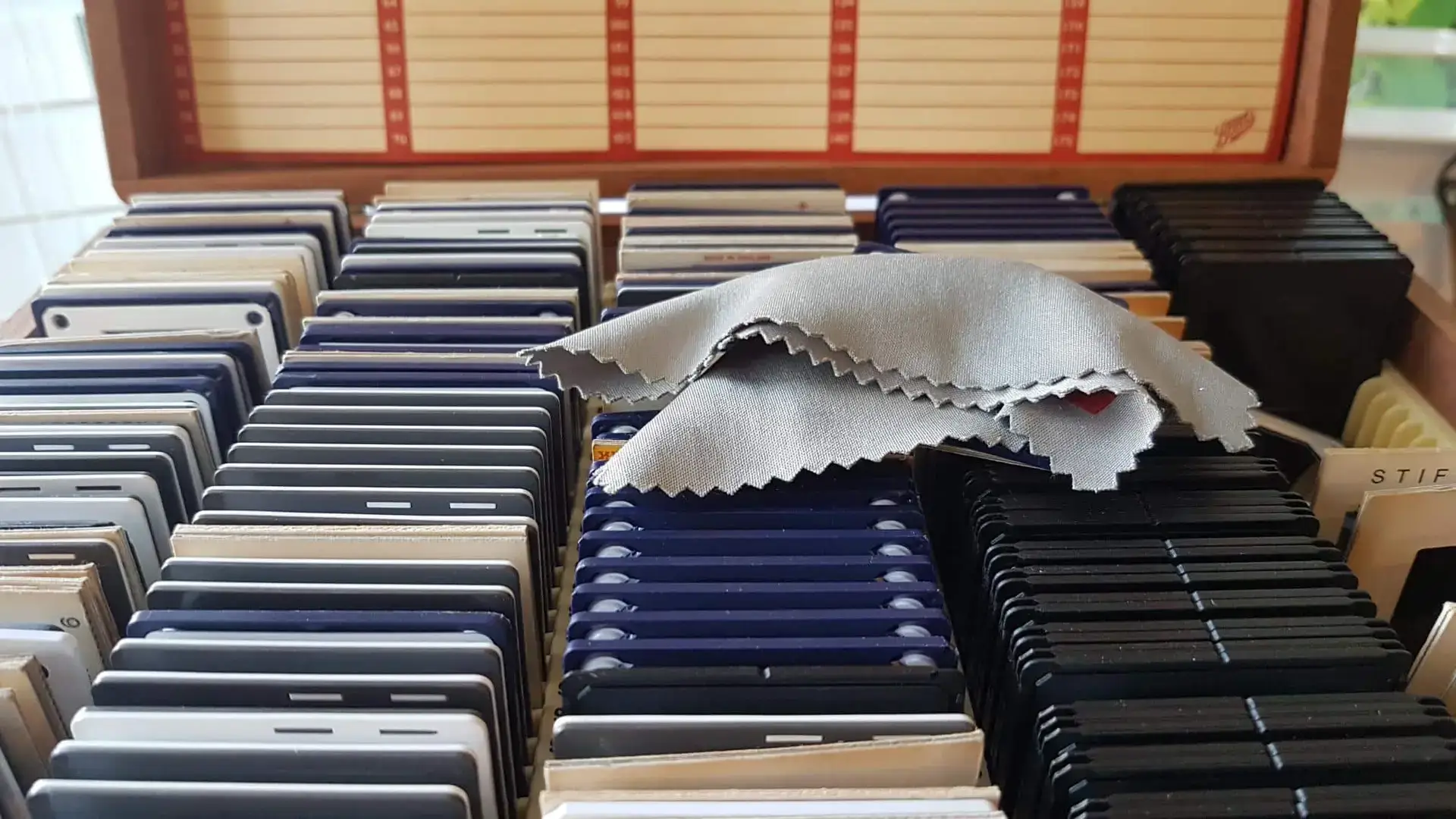
| Slides | Mounted colour slides | Colour fading, dust and physical damage |
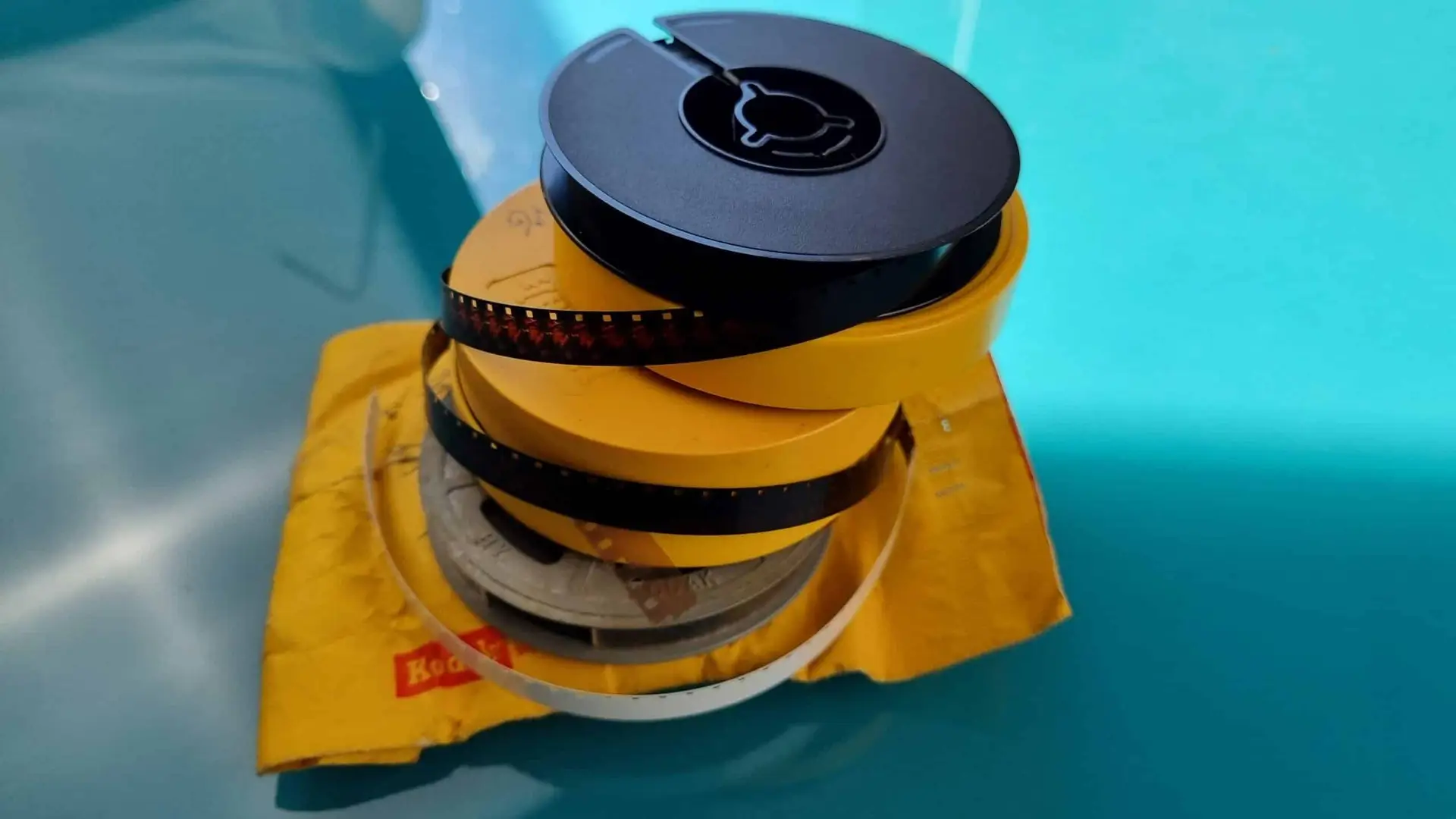
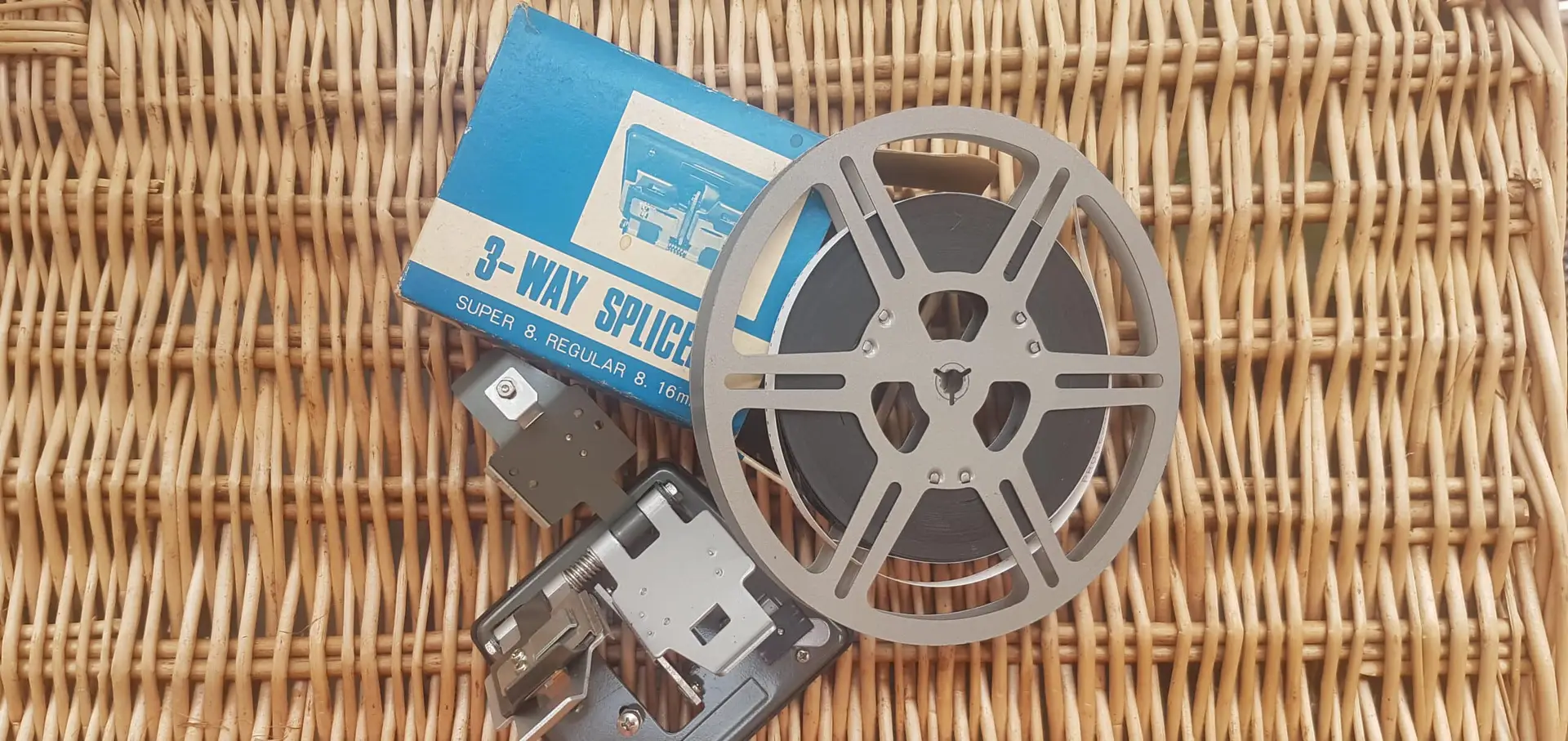
| Cine film | 8mm, 9.5mm, 16mm | Shrinkage, brittleness and chemical deterioration |
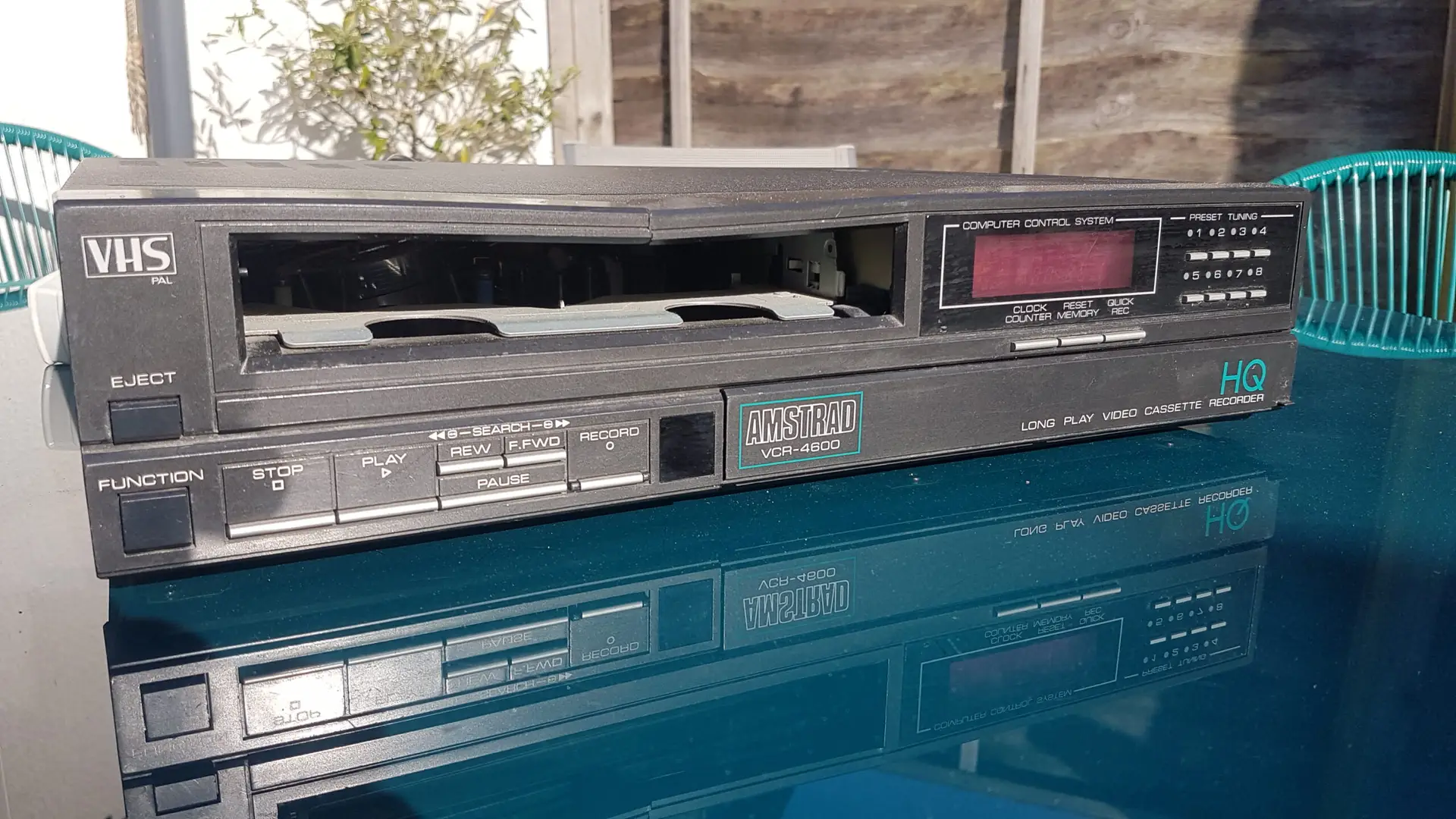
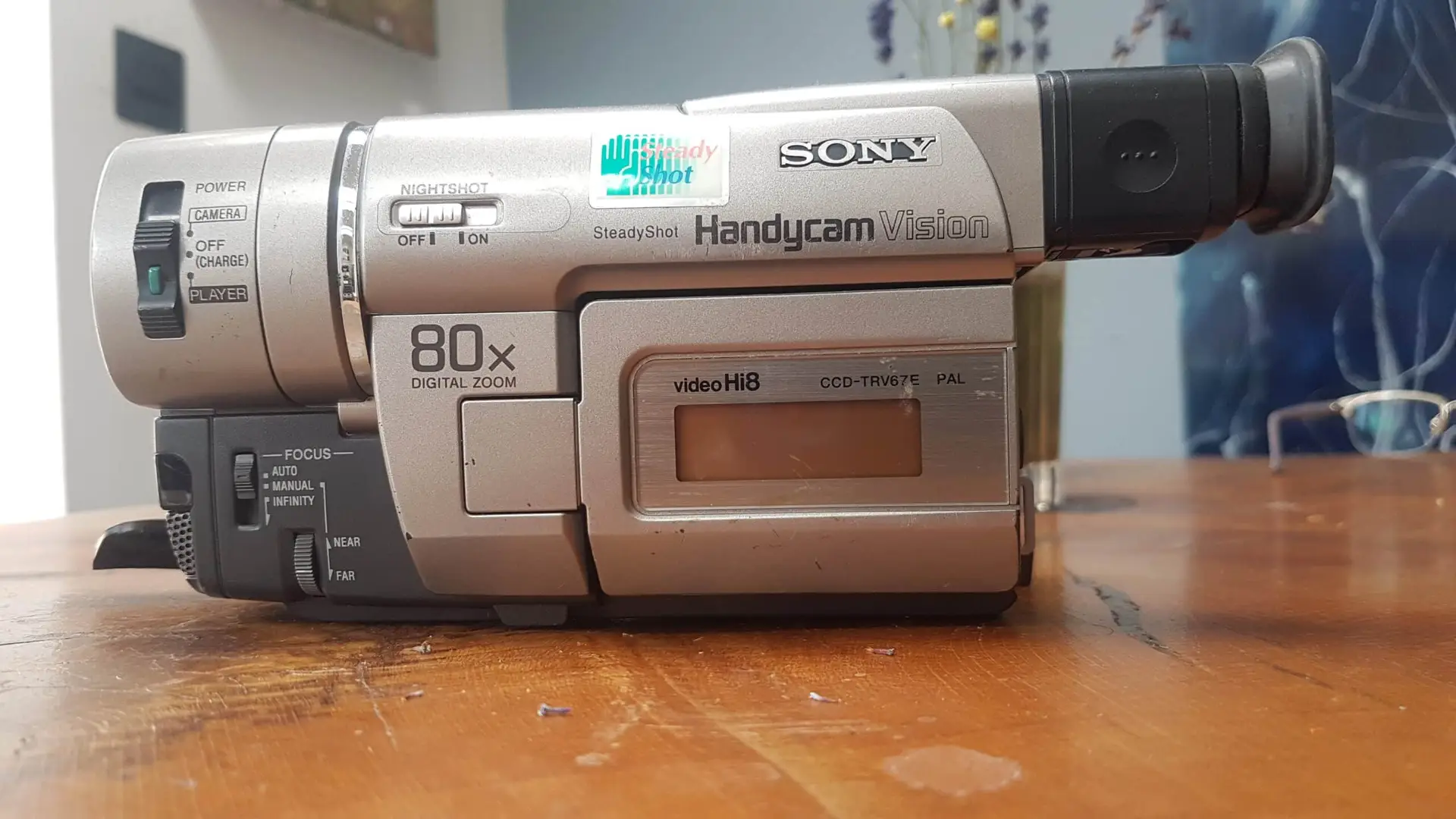
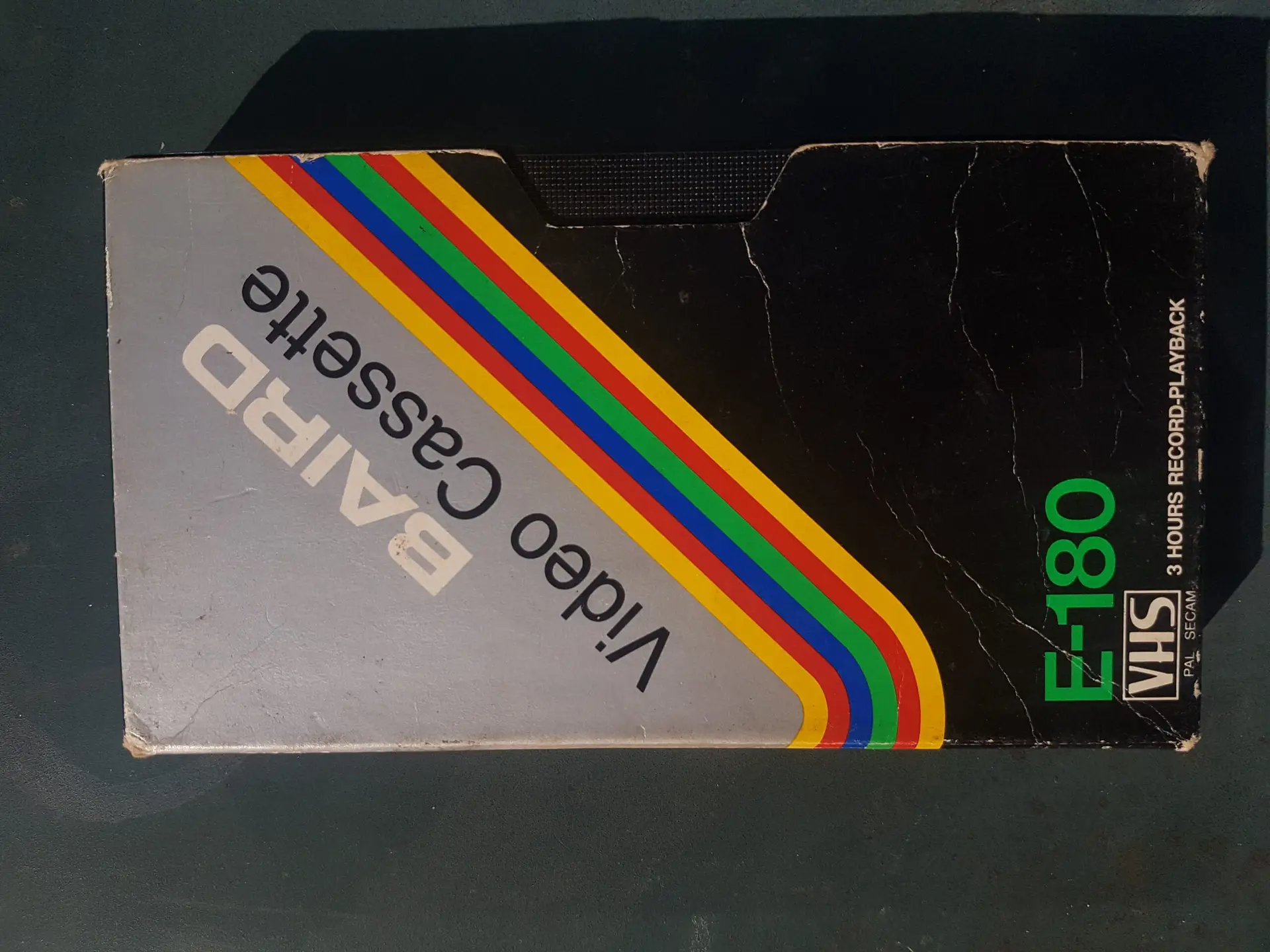
| Video | VHS, VHS-C, Video8, Hi8 | Magnetic tape deterioration and obsolete playback equipment |
| Audio | Cassette tapes and reel-to-reel recordings | Tape deterioration and ageing playback equipment |
| Documents | Letters, diaries and certificates | Paper deterioration, light and handling |
| Digital files | Phone photographs and videos | Accidental deletion, corruption and obsolete formats |
You do not necessarily need to preserve every object forever. Instead, concentrate on items that contain unique information, irreplaceable memories or important evidence about your family’s history.
How Do You Start Archiving Family Memories?
Start with an inventory rather than immediately trying to digitise everything.
Write down what you have and where it is stored. If several family members have boxes of photographs, films or recordings, bring the information together into one simple list.
For each item, record:
- What it is – for example, a VHS cassette, photograph or audio tape.
- Who or what appears on it.
- An approximate date.
- Where it was created or recorded, if known.
- Its physical condition.
- Whether you already have a digital copy.
- Where the original and digital versions are stored.
This information can become extremely valuable later. A photograph showing several relatives may be easy to recognise today, but future generations may not know who they are.
The National Archives also emphasises the importance of arrangement, description and access within archival work.
Which Memories Should You Preserve First?
Prioritise material that you cannot replace.
For example, an original recording of a deceased relative’s voice deserves greater urgency than a duplicated commercial recording. Similarly, a unique home movie may warrant earlier attention than a collection of readily available photographs.
A useful priority system is:
Priority 1: Irreplaceable recordings
These include unique family films, recordings of relatives, original negatives and photographs for which no other copy exists.
Priority 2: Vulnerable formats
Old magnetic tape and deteriorating film deserve particular attention because their condition can worsen and suitable playback equipment may become harder to obtain.
Priority 3: Frequently handled originals
Photographs, albums and other items that people regularly remove from storage can suffer cumulative wear.
Priority 4: Already duplicated material
Items that exist in several good-quality copies may require less urgent intervention.
This approach makes the task more manageable. You do not need to complete your entire archive in one weekend.
Why Is Digital Archiving Important?
Creating a digital copy gives you another way to access and share the information contained in a physical original.
A digital version can also reduce the need to repeatedly handle a fragile photograph, play an old tape or run an ageing film through a projector. The original can remain safely stored while the digital copy becomes the everyday access version.
The British Library identifies preservation and improved accessibility as key benefits of digitisation.
However, digitisation does not mean that the original automatically becomes unnecessary. A digital file represents the information captured during the transfer, while the physical item remains the original source.
For that reason, think of digitisation as part of archiving memories, rather than as a reason to throw away the originals.
How Should You Protect Old Photographs?
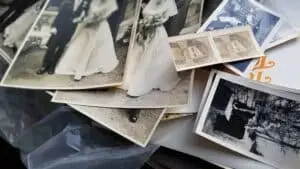
Photographs can suffer damage from light, handling, unsuitable humidity and temperature, abrasion and inappropriate storage materials.
The National Archives notes that oils and salts from skin can affect photographic image layers and that extremes of temperature and relative humidity can accelerate chemical and mechanical damage.
Handle valuable loose photographs carefully and avoid unnecessary contact with the image surface. Keep them away from prolonged direct sunlight and store them in suitable protective enclosures.
You should also avoid storing photographs in places such as:
- Damp garages.
- Unheated sheds.
- Loft spaces with large temperature fluctuations.
- Areas exposed to direct sunlight.
- Places vulnerable to water leaks.
- Containers that trap moisture.
If you have particularly important photographs, consider creating high-quality digital copies before further handling.
What About Film Negatives and Slides?
Negatives and slides often contain the original photographic information from which prints were produced. They can therefore hold greater detail than an old print and deserve careful preservation.
Dust, scratches, fingerprints and poor storage can affect their condition. Handle them carefully and avoid touching the image surface unnecessarily.
If you have large quantities of negatives or slides, create an inventory before starting. Keep related images together and preserve any original envelopes, labels or notes because they may provide useful information about dates, locations or people.
Good metadata can be as valuable as the image itself. A beautifully preserved photograph becomes much more meaningful when future family members know who appears in it and where it was taken.
How Should You Preserve Old Cine Film?
Cine film presents different preservation challenges from photographs and magnetic video.
Old reels can become brittle, shrink, warp or suffer chemical deterioration. Some films may also contain splices or previous repairs that require careful inspection before playback.
Avoid repeatedly projecting vulnerable film simply to check its contents. Projection involves physical movement through the projector, so a deteriorating reel may need assessment before someone attempts to play it.
For important cine recordings, a professional transfer can create an accessible digital copy while reducing your reliance on ageing projection equipment.
The same principle applies to other obsolete formats: preserve the original where possible, but create an accessible copy while the original can still be read or played successfully.
What Happens to Old Video and Audio Recordings?
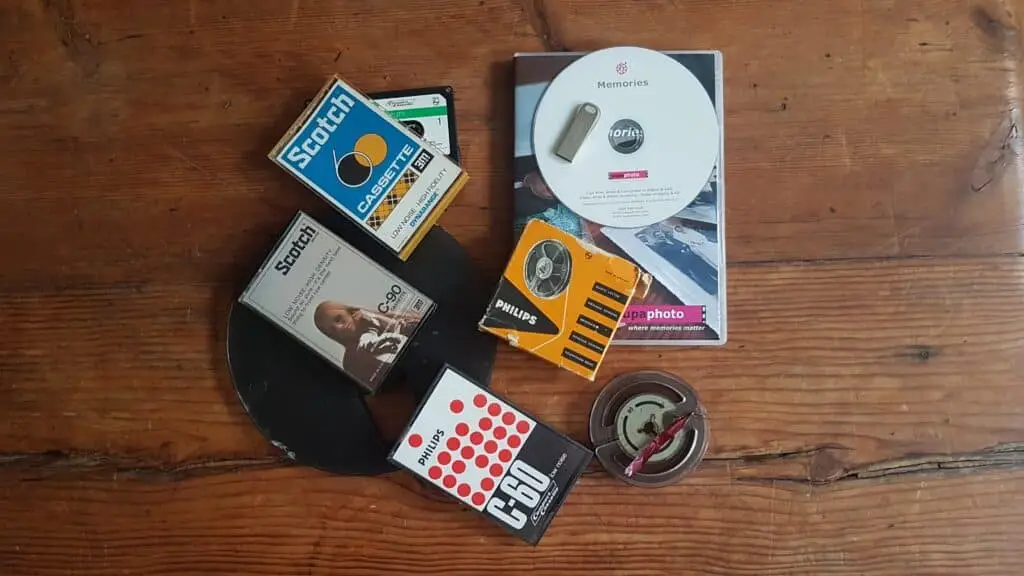
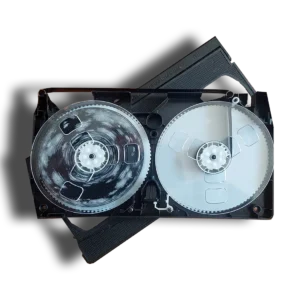
Magnetic formats such as VHS and audio cassette tape present a particular preservation problem because the recording depends on both the physical tape and compatible playback equipment.
Even when a cassette appears intact, the tape may have deteriorated. Playback equipment can also introduce problems if it has not been maintained correctly.
Old recordings can contain material that exists nowhere else, including:
- Family conversations.
- Children’s voices.
- Weddings.
- Birthdays.
- Holidays.
- School performances.
- Interviews with older relatives.
- Family events recorded decades ago.
These recordings can provide something photographs cannot: the voices, movement and atmosphere of earlier generations.
When a tape contains something irreplaceable, avoid repeatedly playing it simply to test whether it still works.
How Many Digital Copies Should You Keep?
One digital copy is not a complete preservation strategy.
A computer can fail. A hard drive can become corrupted. Files can be accidentally deleted. Cloud accounts can become inaccessible. Even a perfectly preserved digital file becomes useless if nobody knows where it is stored.
For important material, keep multiple copies in separate locations.
For example:
- One working copy on your computer.
- One backup on a separate storage device.
- One additional copy stored elsewhere or using a suitable cloud service.
The National Archives follows a similar principle for its own digital collections, maintaining multiple preserved copies and an off-site copy as part of its preservation strategy.
Your family archive does not need the infrastructure of a national institution, but the underlying principle is useful: do not allow one failure to destroy your only copy.
How Should You Organise Digital Memories?
A well-organised archive should make files easy to identify years after you create them.
Use descriptive filenames rather than leaving everything with automatically generated camera or scanner names.
For example:
1984_Family_Holiday_Cornwall_01
is much more useful than:
IMG_4827
You can also organise folders by:
- Year.
- Family member.
- Event.
- Location.
- Format.
Keep a separate record containing additional information that cannot easily fit into the filename.
The National Archives describes digital preservation as maintaining long-term access as well as authenticity and integrity.
That principle applies to personal collections too. Knowing what you have is an important part of preserving it.
Should You Keep the Original After Digitisation?
Yes, wherever practical.
A digital copy provides convenient access, but the original may contain information that the transfer did not capture completely. It can also provide evidence about the item’s original format and physical history.
If you digitise photographs, keep the originals safely stored. If you transfer a video cassette, retain the cassette. If you scan negatives, keep the negatives.
Think of the digital version as an access copy rather than automatically treating it as a replacement for the original.
Common Mistakes When Archiving Memories
Good intentions can sometimes cause accidental damage.
Avoid these common mistakes:
- Storing photographs in damp locations.
- Leaving films or tapes in hot lofts.
- Handling photographic surfaces unnecessarily.
- Repeatedly playing fragile tapes.
- Throwing away originals immediately after digitisation.
- Keeping only one digital copy.
- Using vague filenames that provide no context.
- Separating photographs from their labels or identifying information.
- Assuming an item is unimportant because it looks ordinary.
Perhaps the biggest mistake is waiting indefinitely. Deterioration does not always become obvious until a valuable item has already developed a serious problem.
How Can You Make an Archive Useful to Future Generations?
Preservation involves more than protecting the object. It also involves preserving its story.
If you know who appears in a photograph, write their names down. If you know when a film was recorded, record the date. If an audio recording contains a conversation between relatives, make a note of who is speaking.
You can create a simple family archive document containing:
- Names and relationships.
- Dates.
- Locations.
- Events.
- Stories behind significant items.
- Original formats.
- Digital file locations.
This additional context can transform a box of unidentified photographs into a meaningful family record.
When Should You Start Archiving Memories?
The best time to begin is before your most important material becomes difficult to access.
You do not need specialist equipment or a complicated database to make a start. Begin with the recordings and photographs that matter most, assess their condition and establish a safe storage system.
Then work through the collection gradually.
The National Archives’ preservation policy recognises deterioration, damage, loss and obsolescence as risks to both physical and digital collections. The same broad principle applies to family memories: preservation works best when you identify risks before they become emergencies.
Building a Family Archive That Lasts
Archiving memories gives future generations access to more than photographs and recordings. It preserves evidence of people, places, relationships and everyday life that may otherwise disappear.
The most effective approach combines several simple habits:
- Identify what matters most.
- Handle physical originals carefully.
- Improve storage conditions where necessary.
- Digitise vulnerable or obsolete formats.
- Keep multiple copies of important digital files.
- Add names, dates and locations to your records.
- Retain the original material whenever practical.
- Review your digital archive periodically.
A family archive does not have to be perfect. It simply needs to be cared for deliberately.
By taking action while photographs remain readable, film remains transferable and tapes remain playable, you give your memories a much better chance of remaining accessible. You can also preserve important family records through professional book scanning, helping future generations experience the people, stories and moments that shaped their family history.