
The Timeless Legacy of Audrey Hepburn (1929–1993)
Audrey Hepburn was one of the most celebrated actresses of the twentieth century, remembered for her remarkable film career, timeless elegance and humanitarian work. More than three decades after her death, her films continue to inspire audiences around the world and remain an important part of cinema history.
- Audrey Hepburn won an Academy Award for her breakthrough role in Roman Holiday.
- She starred in classics including Breakfast at Tiffany’s, My Fair Lady and Charade.
- Beyond acting, she became a dedicated UNICEF Goodwill Ambassador.
- Her films are carefully preserved by archives so future generations can continue to enjoy them.
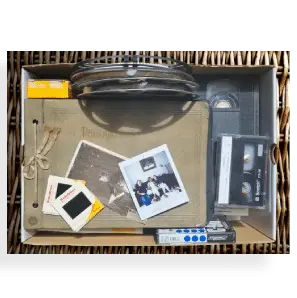
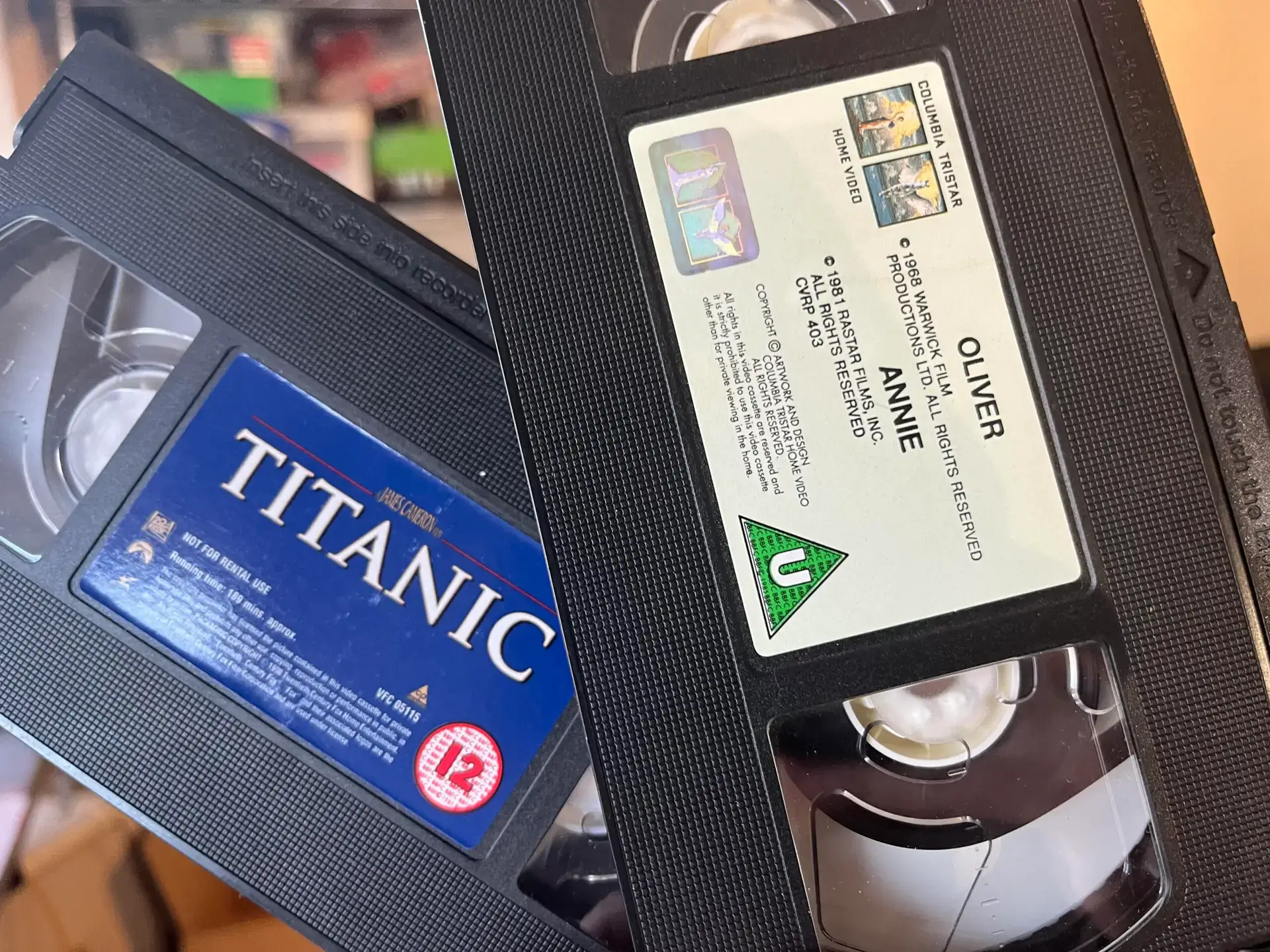
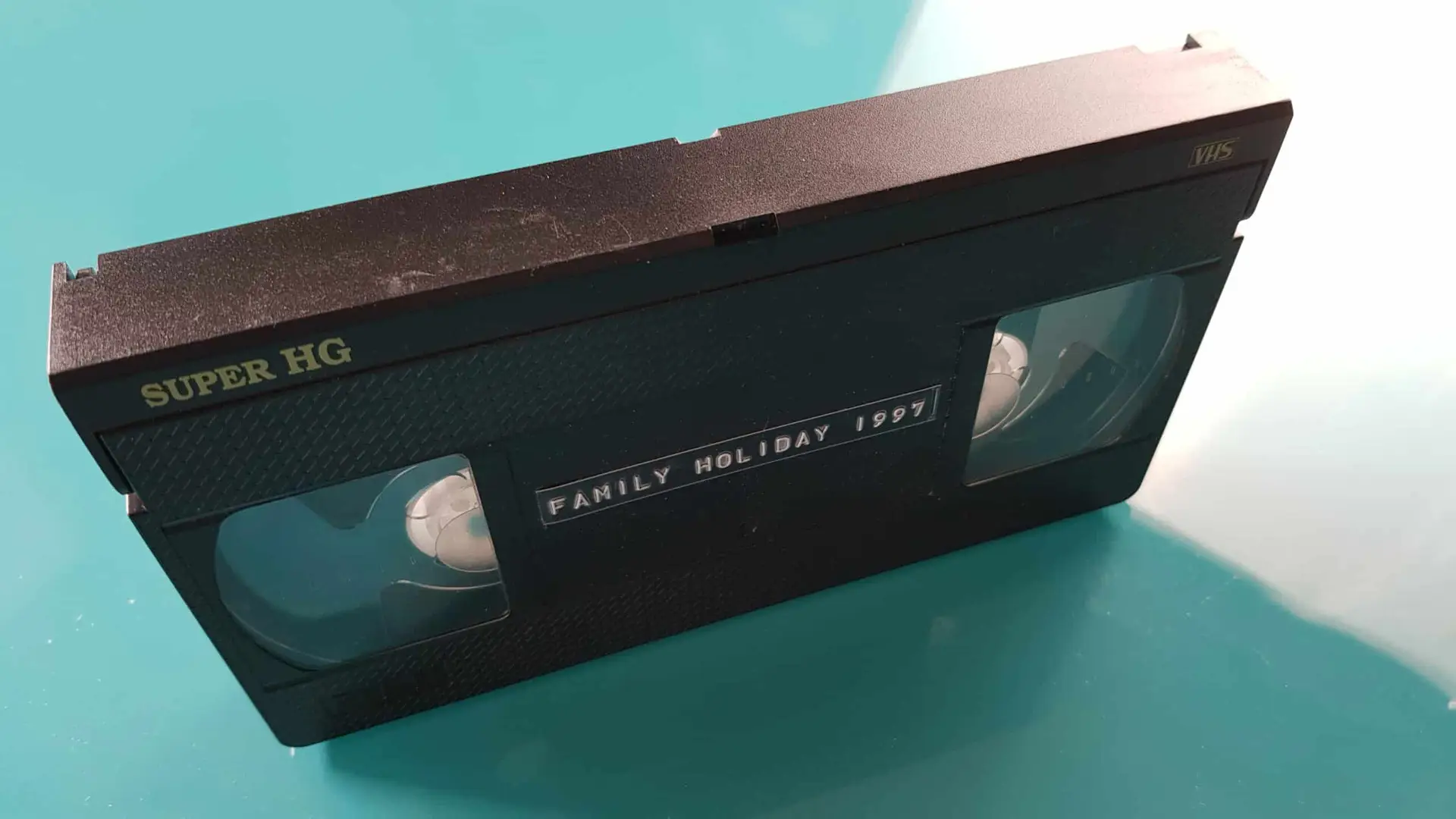
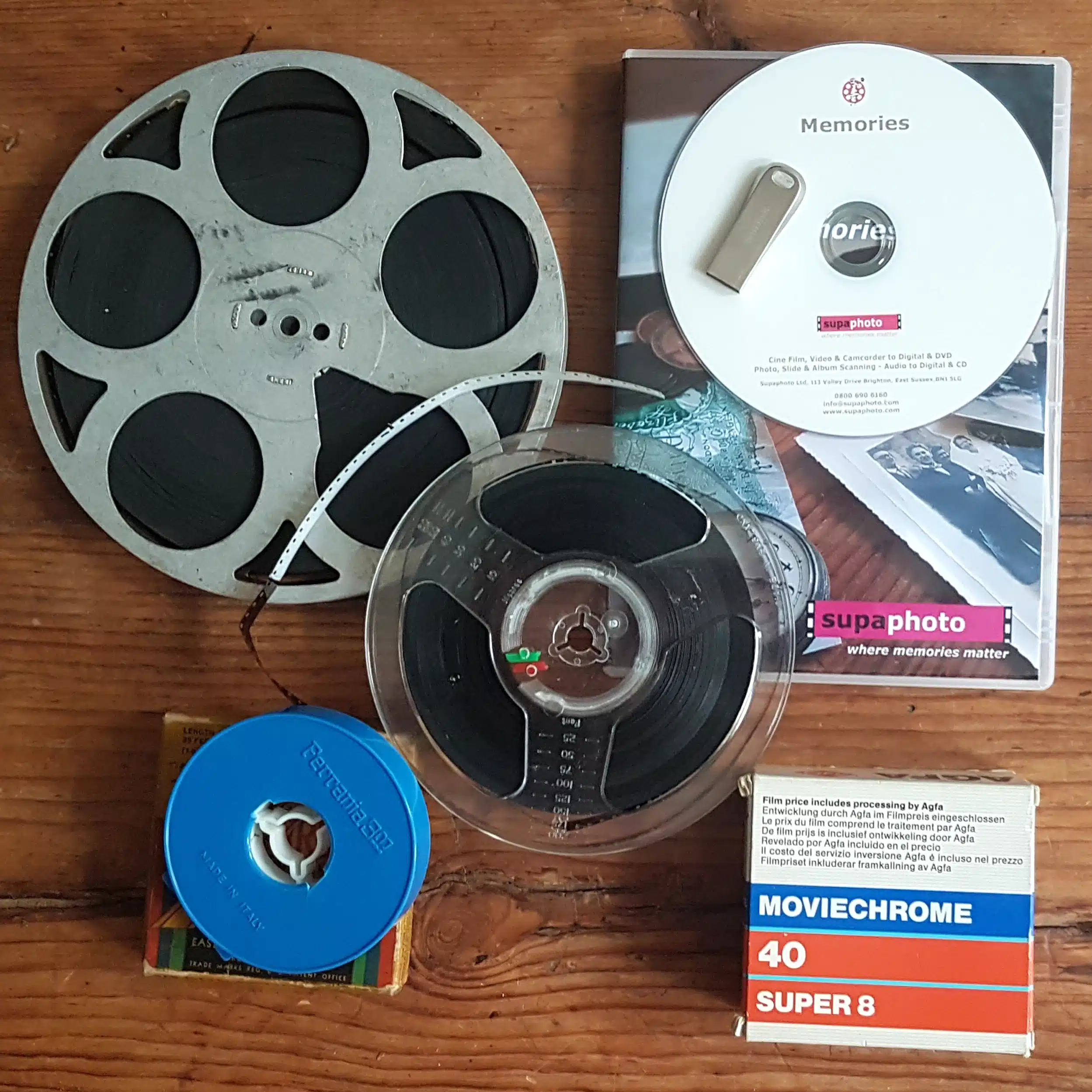
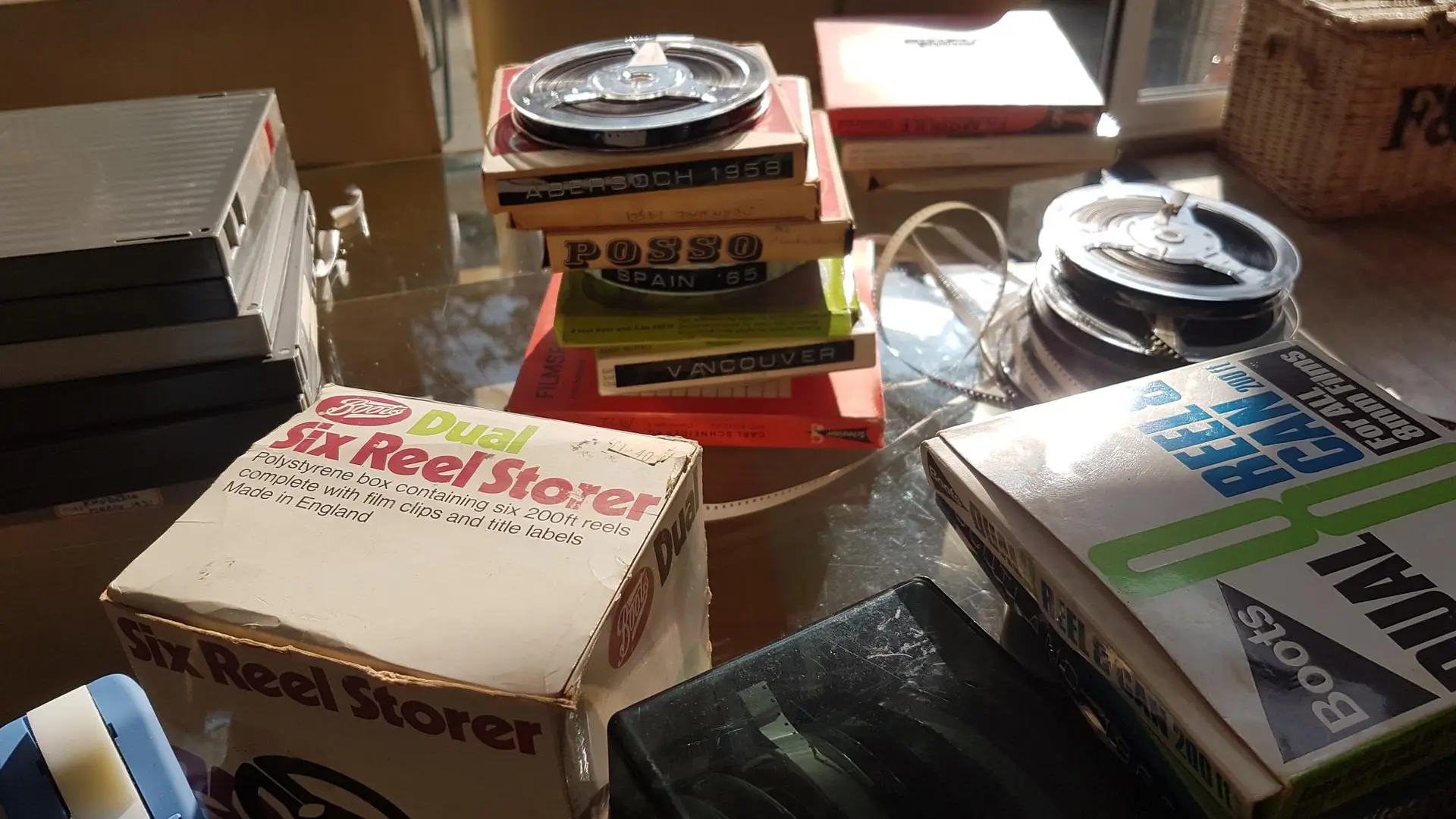
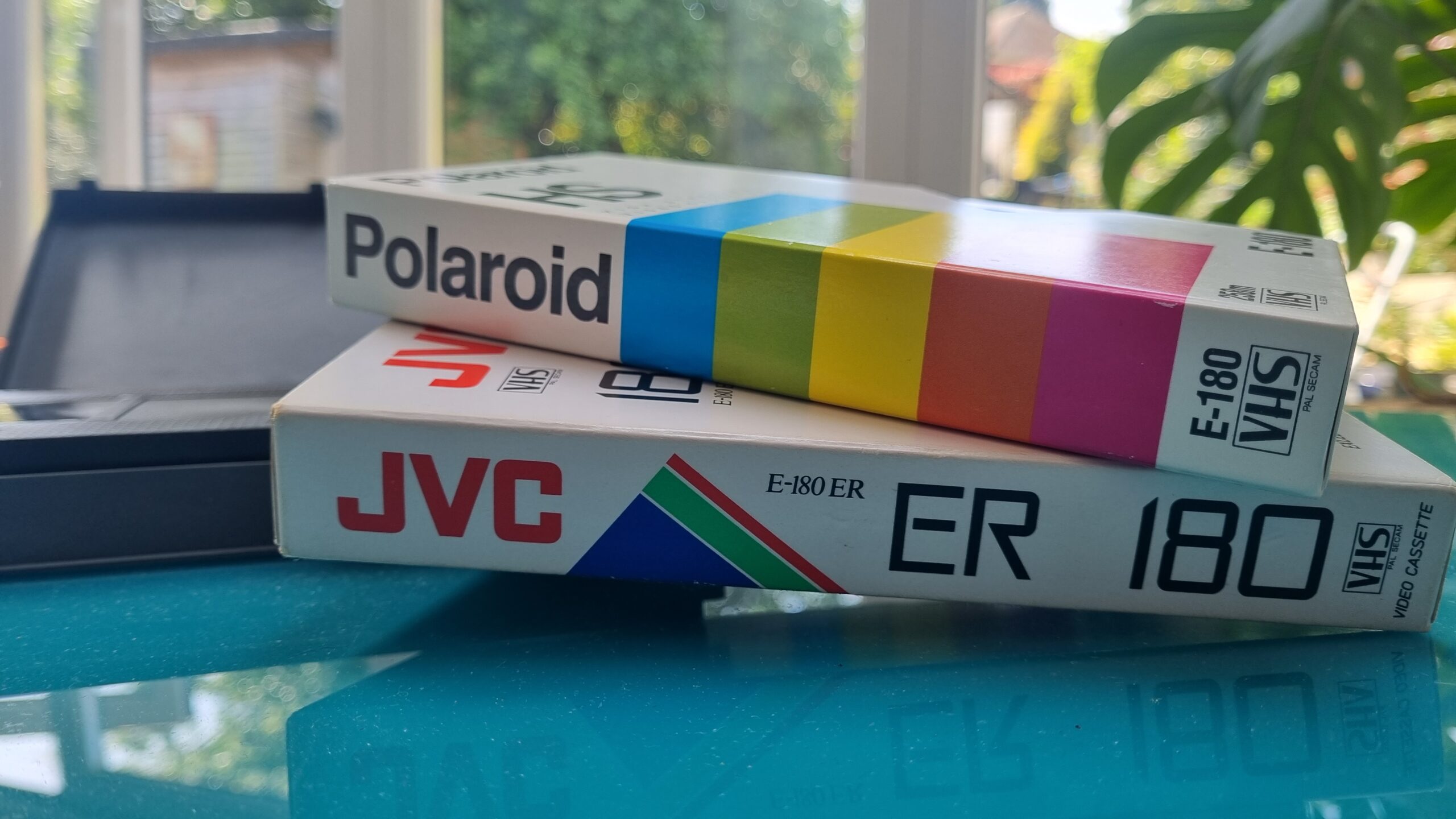
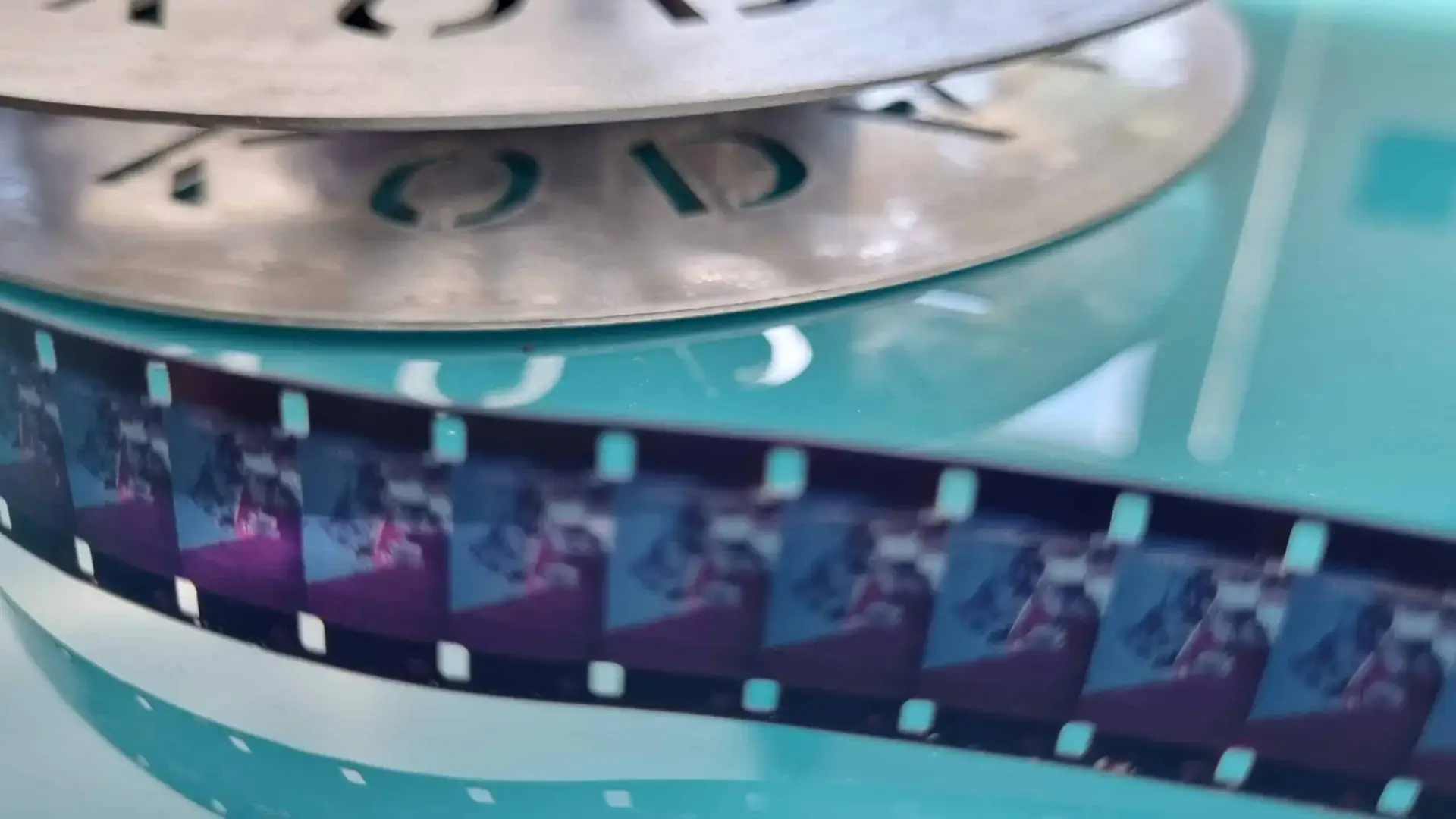
- Families can protect their own moving-image history by preserving ageing VHS tapes and cine films before they deteriorate.
Why Audrey Hepburn Continues to Captivate Audiences
Very few actors remain as instantly recognisable as Audrey Hepburn. Her image has become synonymous with elegance, kindness and timeless style, yet it is her performances that continue to attract new generations of viewers.
Unlike many stars whose popularity fades with time, Hepburn’s films still appear on television, streaming services and in cinema retrospectives. Her performances feel natural, warm and surprisingly modern, allowing audiences of every age to connect with her characters.
The British Film Institute regularly celebrates Hepburn’s work through screenings and educational resources, recognising her lasting contribution to world cinema and film heritage.
Her legacy also highlights something increasingly important: preserving moving images. Just as archives protect classic films, families today can preserve their own irreplaceable recordings before ageing media becomes unplayable.
Early Life
Audrey Kathleen Ruston was born in Brussels in 1929 and spent much of her childhood in Europe during the difficult years surrounding the Second World War.
Those early experiences shaped her outlook throughout life. Having witnessed hardship during wartime, she later devoted significant time to humanitarian work, particularly with UNICEF.
Originally training as a ballet dancer, Hepburn eventually turned towards acting. Her natural charm, graceful appearance and expressive performances quickly attracted attention from filmmakers.
Although she began with smaller film roles, it soon became clear that she possessed an unusual screen presence that audiences immediately embraced.
Roman Holiday Changed Everything
Released in 1953, Roman Holiday transformed Audrey Hepburn into an international star almost overnight.
Playing Princess Ann opposite Gregory Peck, Hepburn combined humour, vulnerability and sophistication in a performance that earned her the Academy Award for Best Actress.
The film remains one of cinema’s great romantic comedies because it balances fairy-tale escapism with believable human emotion.
For many people discovering Audrey Hepburn today, Roman Holiday remains the perfect introduction to her work.
Why the Film Still Works Today
Unlike many romantic films from the period, Roman Holiday feels surprisingly fresh.
Its appeal comes from:
- believable performances
- beautiful location filming
- genuine humour
- memorable dialogue
- emotional storytelling
- timeless themes of freedom and responsibility
Expert Insight
The British Film Institute considers classic films such as Roman Holiday culturally important because they capture not only performances but also architecture, fashion and everyday life from their era.
The Films That Defined Her Career
Breakfast at Tiffany’s (1961)
Perhaps no role is more closely associated with Audrey Hepburn than Holly Golightly.
The image of Hepburn in a black dress outside Tiffany & Co. has become one of cinema’s most recognisable photographs.
While the film is often remembered for its fashion, it is Hepburn’s warmth and emotional depth that continue to make the character memorable.
Sabrina (1954)
Billy Wilder’s romantic comedy showcased Hepburn’s ability to combine innocence with growing confidence.
The transformation of Sabrina Fairchild remains one of Hollywood’s classic coming-of-age stories.
Funny Face (1957)
Starring alongside Fred Astaire, Hepburn demonstrated her dancing ability while celebrating the glamour of 1950s fashion photography.
The film remains particularly popular among photography enthusiasts because it beautifully captures the elegance of mid-century portraiture.
Charade (1963)
Often described as a blend of romance, comedy and suspense, Charade paired Hepburn with Cary Grant in one of the most entertaining thrillers of the decade.
Its stylish production and witty dialogue have helped it remain popular with modern audiences.
My Fair Lady (1964)
Based on George Bernard Shaw’s Pygmalion, My Fair Lady became one of the defining musicals of the 1960s.
Hepburn’s portrayal of Eliza Doolittle introduced the story to millions of cinema-goers around the world.
Audrey Hepburn’s Enduring Style
Fashion has changed dramatically since the 1950s, yet Audrey Hepburn’s influence remains unmistakable.
Simple black dresses, elegant tailoring, ballet flats, oversized sunglasses and minimalist jewellery continue to draw inspiration from her distinctive look.
Designers, photographers and filmmakers still reference her style because it feels understated rather than extravagant.
This timeless quality explains why Hepburn regularly appears in lists of the greatest fashion icons of all time.
Yet her popularity extends far beyond clothing. Audiences admire her kindness, humility and intelligence just as much as her appearance.
Why Classic Films Deserve Preservation
Classic cinema survives because archivists, museums and film organisations invest enormous effort in preservation.
Original film negatives require careful storage, restoration and digitisation to prevent irreversible deterioration.
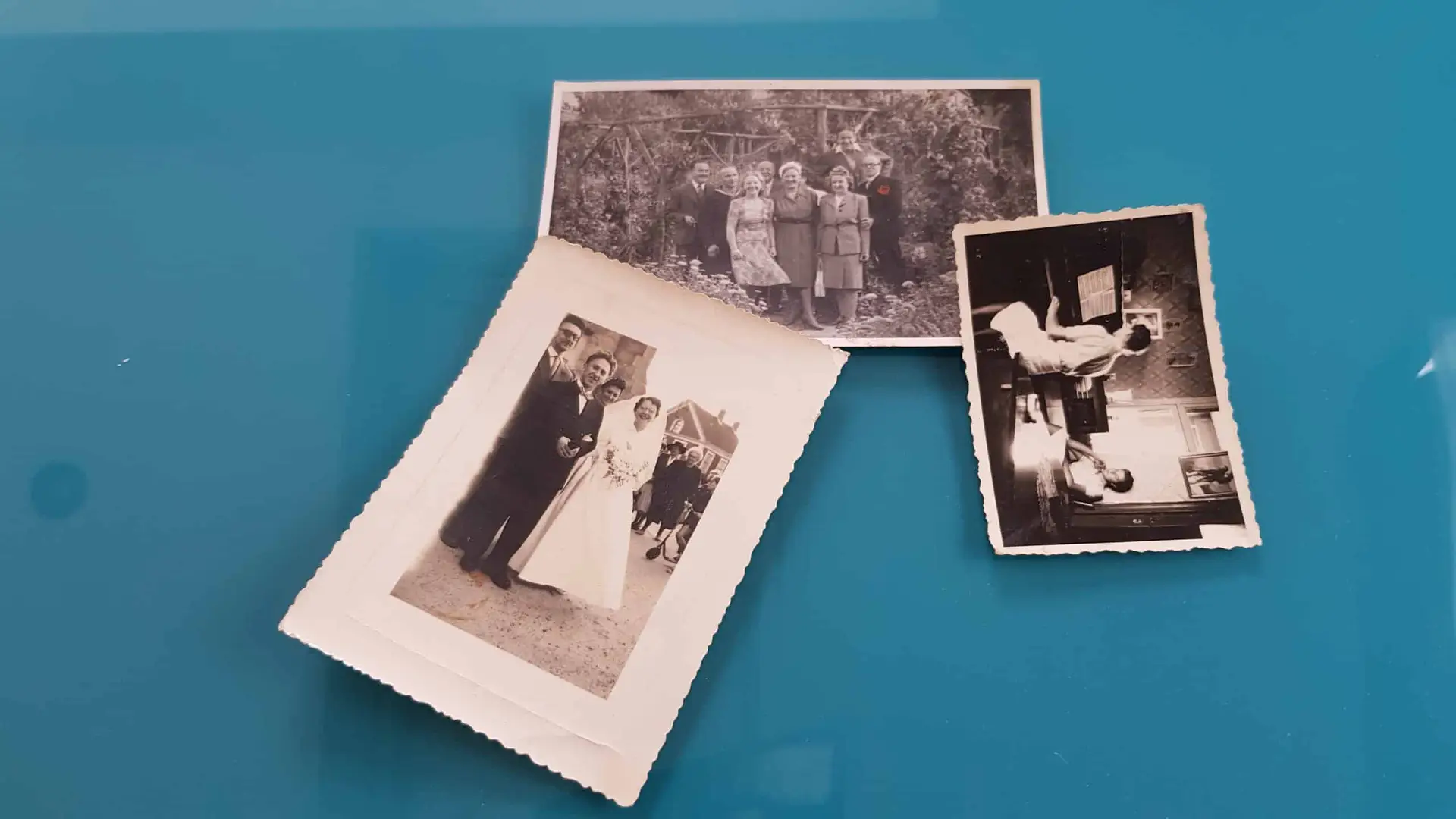
The same principle applies to family memories.
Thousands of households still own:
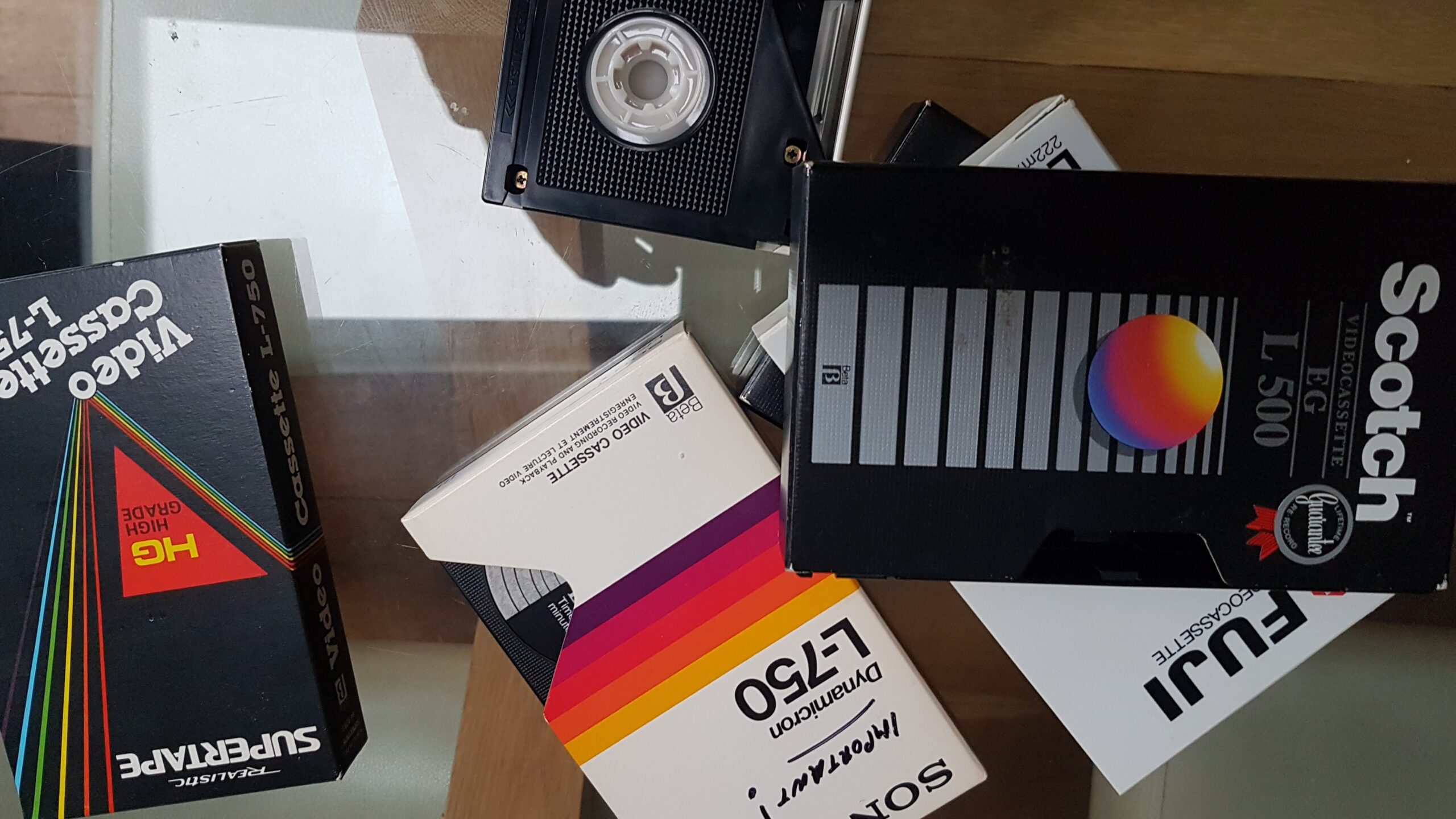
- VHS tapes
- VHS-C camcorder tapes
- S-VHS recordings
- Cine film reels
- MiniDV cassettes
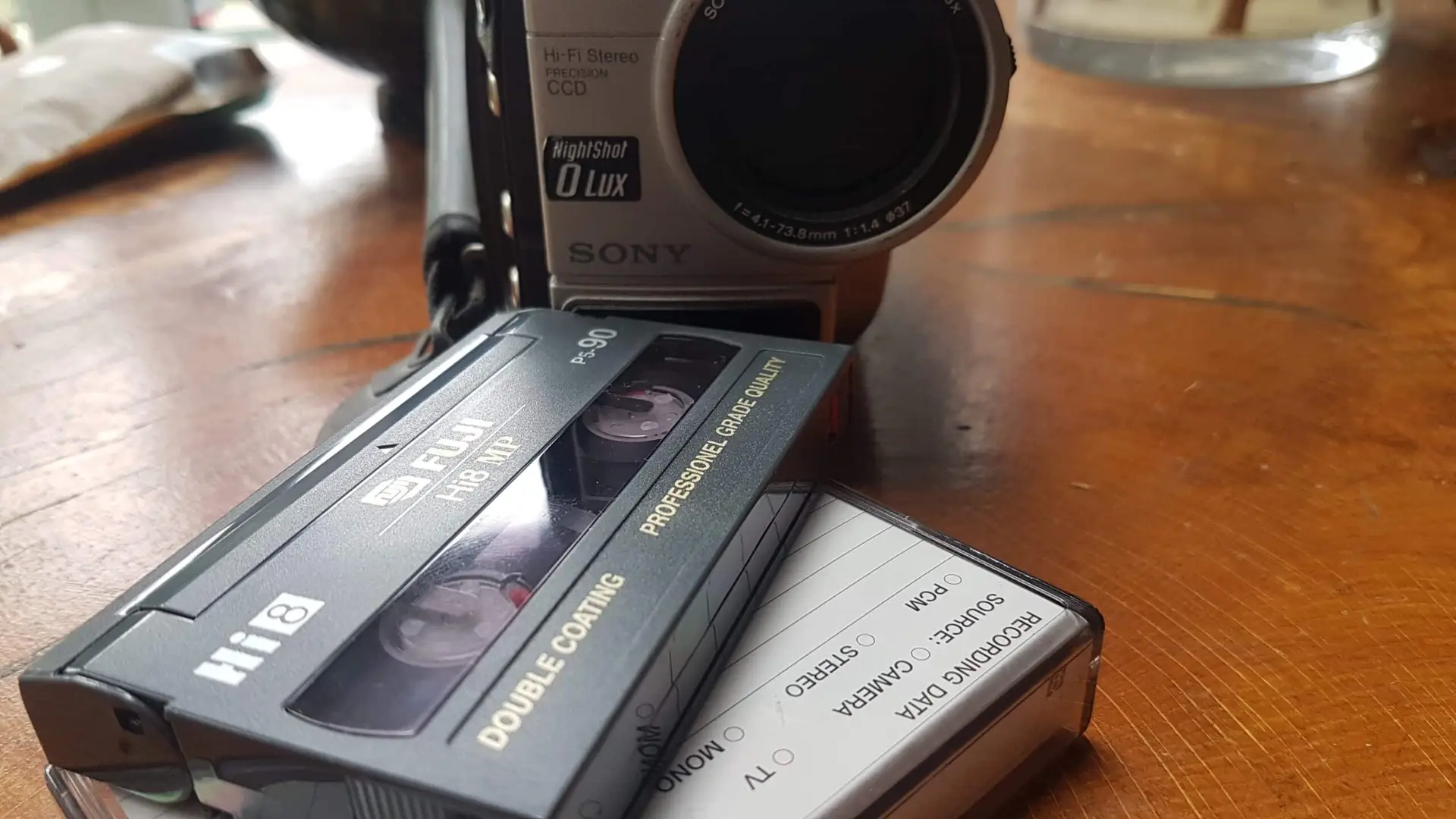
- Video8 and Hi8 recordings
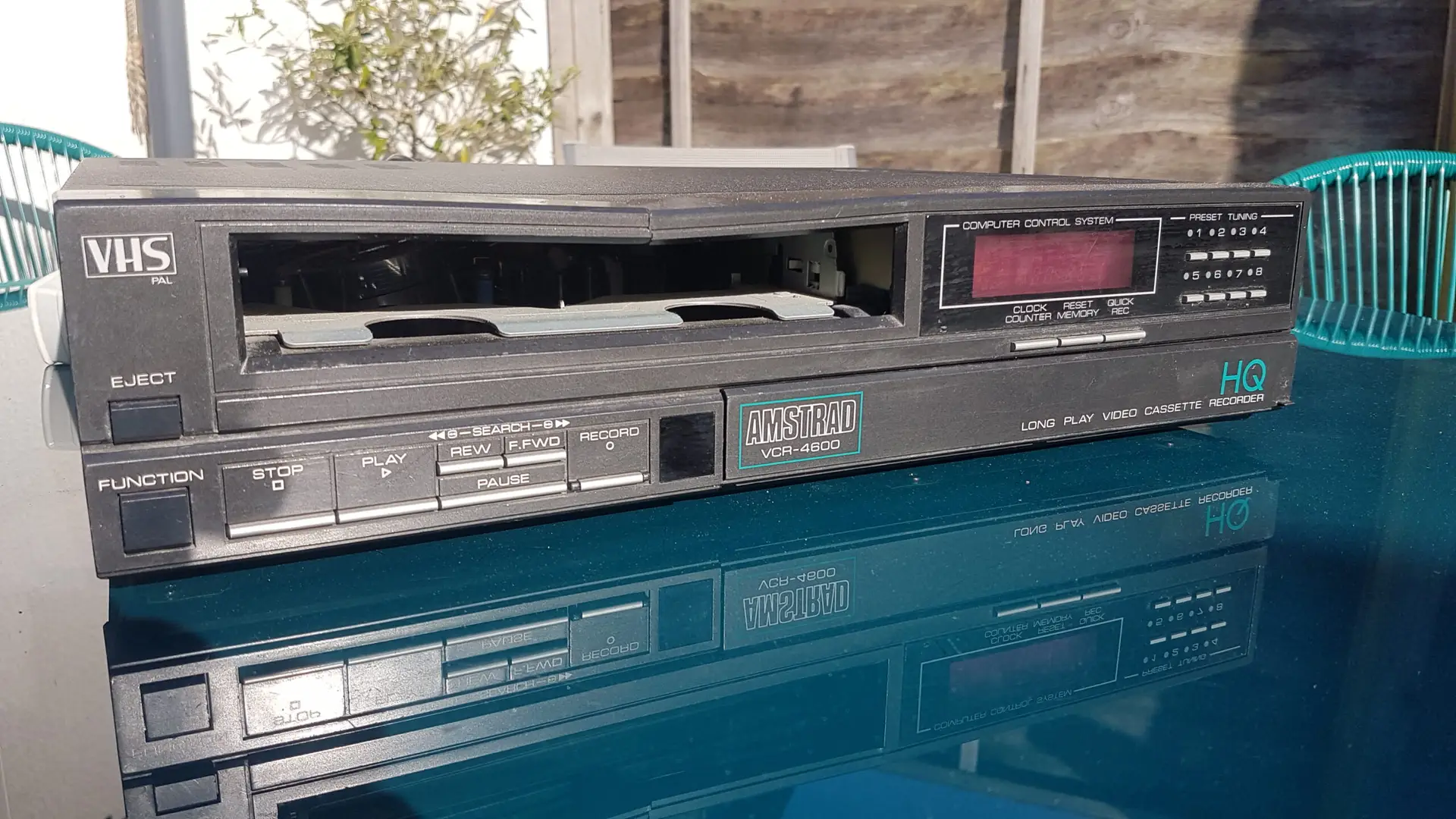
Unlike professionally stored film archives, many of these formats spend decades in lofts, garages and cupboards where heat, damp and mould gradually damage them.
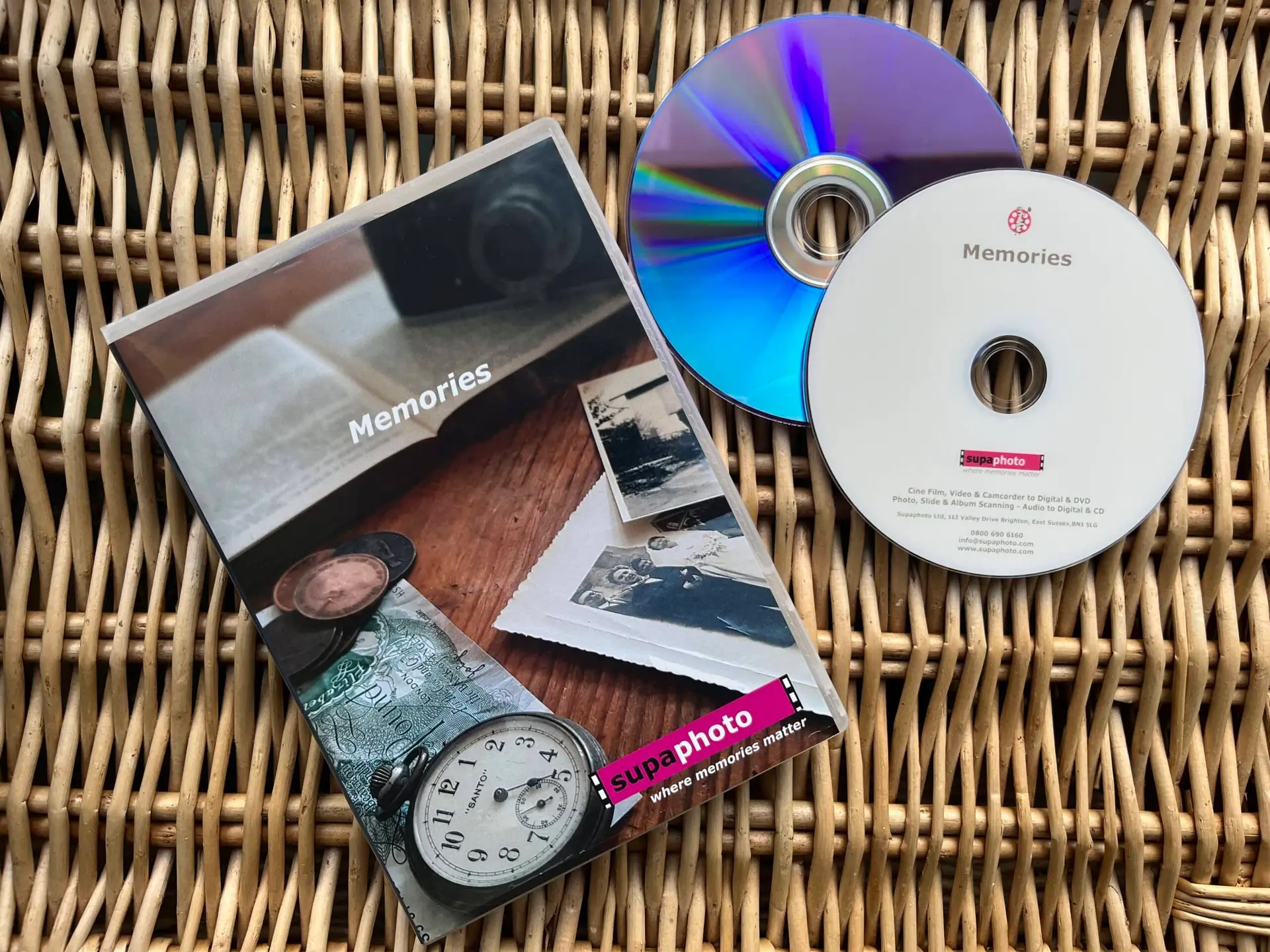
Supaphoto’s Video Preservation specialists regularly inspect ageing tapes before digitisation, helping families protect irreplaceable memories while they can still be recovered.
Expert Insight
Archive professionals recommend preserving analogue recordings before playback equipment becomes unavailable. Even perfectly stored tapes eventually become harder to access as working machines disappear.