
VHS Video Tape Cleaner: How to Clean Old Tapes Safely
A VHS video tape cleaner is a tool, process or service used to remove dirt, dust or mould risk from old VHS tapes before playback or digitisation.
- Do not play mouldy VHS tapes in a normal video player.
- Check the cassette window for white, grey or powdery marks.
- Avoid household cleaners, wipes, water and sprays.
- A VHS head cleaner cleans the machine, not the tape itself.
- Important tapes should be professionally inspected before cleaning.
- Digitising cleaned tapes helps protect the recording for the future.
What Is a VHS Video Tape Cleaner?
The phrase VHS video tape cleaner can mean two different things.
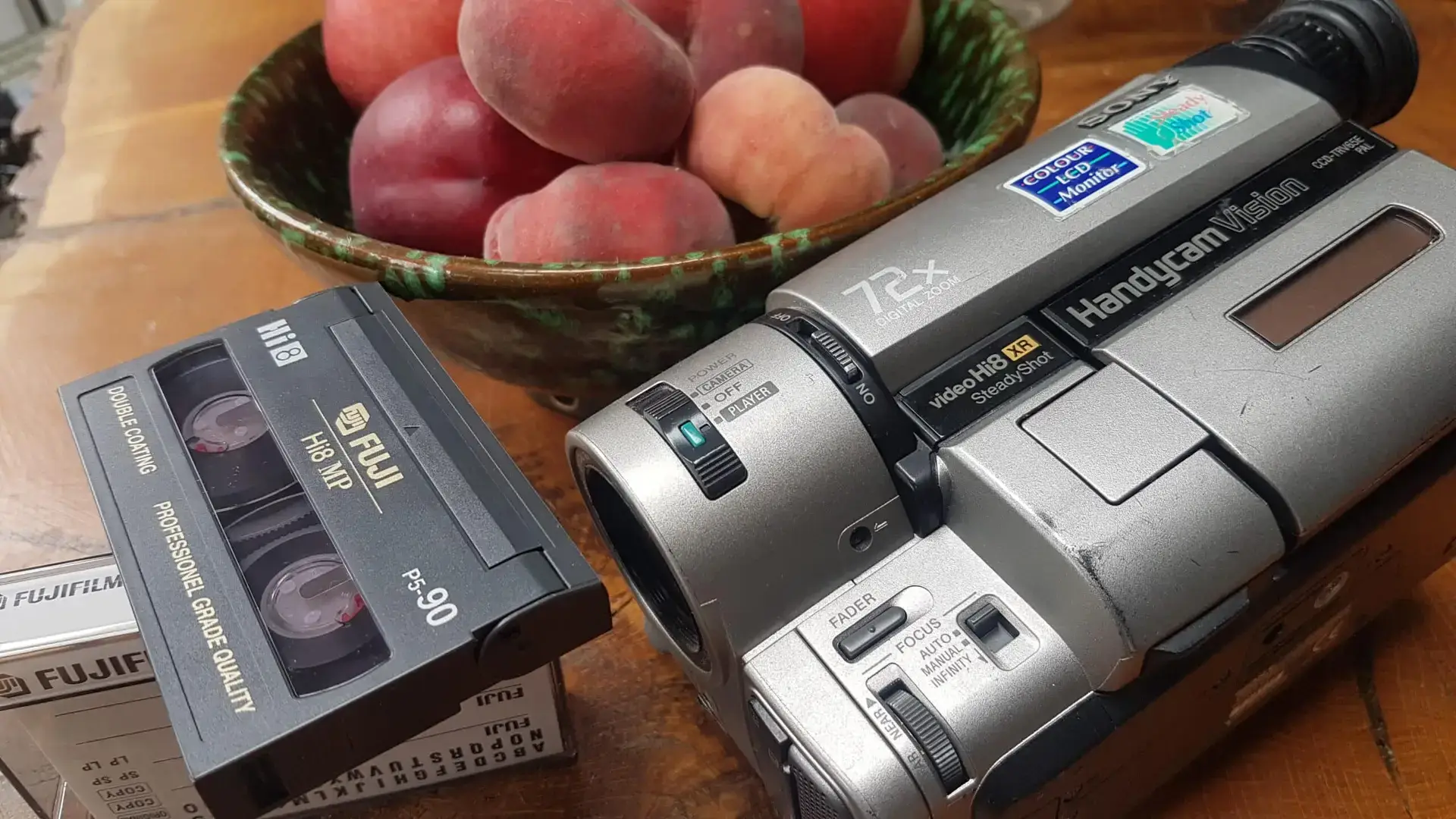
First, it may refer to a VHS head cleaning cassette. This is a tape-like device used to clean the heads inside a VHS player. It helps the machine read tapes more clearly, but it does not clean mould, dirt or damage from the VHS tape itself.
Second, it can refer to a specialist tape cleaning process used before transfer or digitisation. This is more relevant if a tape has mould, dust, sticky residue or signs of deterioration.
This distinction matters. Cleaning a VCR and cleaning a tape are not the same job.
Should You Clean VHS Tapes Yourself?
In most cases, you should not attempt deep VHS tape cleaning at home. VHS tape is thin, delicate and easy to crease, stretch or contaminate.
Light external cleaning of the plastic cassette shell may be safe if you are careful, but cleaning the magnetic tape inside the cassette is risky without the right equipment.
You should avoid:
- water
- sprays
- furniture polish
- alcohol wipes on the tape
- kitchen cloths
- cotton buds on exposed tape
- opening the cassette without experience
- forcing a stiff tape through a player
If the recording is important, inspection should come before cleaning.
Expert Insight
A VHS head cleaner cleans the playback machine. It does not remove mould from a cassette. If mould is visible inside the tape window, keep the tape away from your VCR.
How to Check a VHS Tape Before Cleaning
Before deciding what to do, inspect the cassette carefully in good light.
Look for:
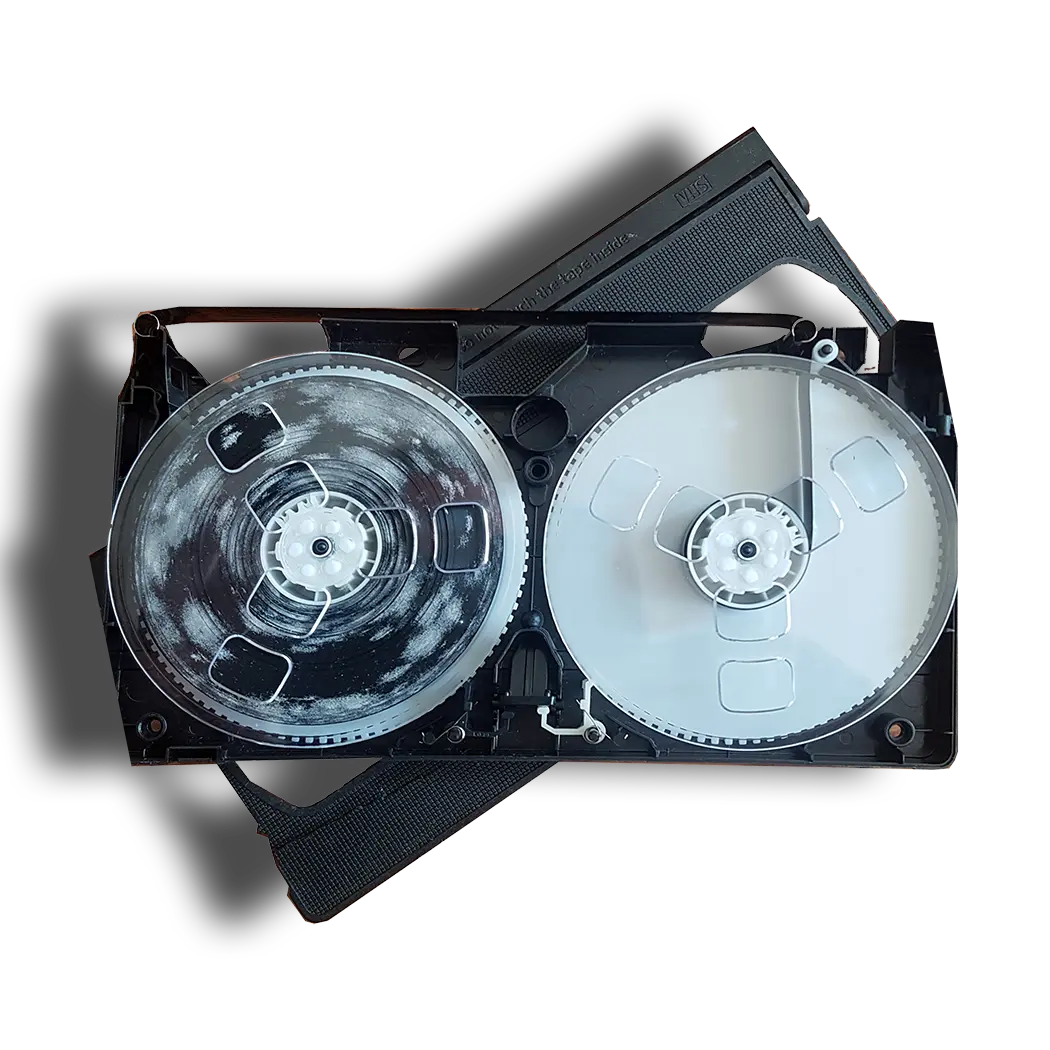
- white or grey marks inside the cassette window
- powdery deposits on the tape
- a musty smell
- cracked plastic shell
- loose tape
- warped cassette case
- water stains
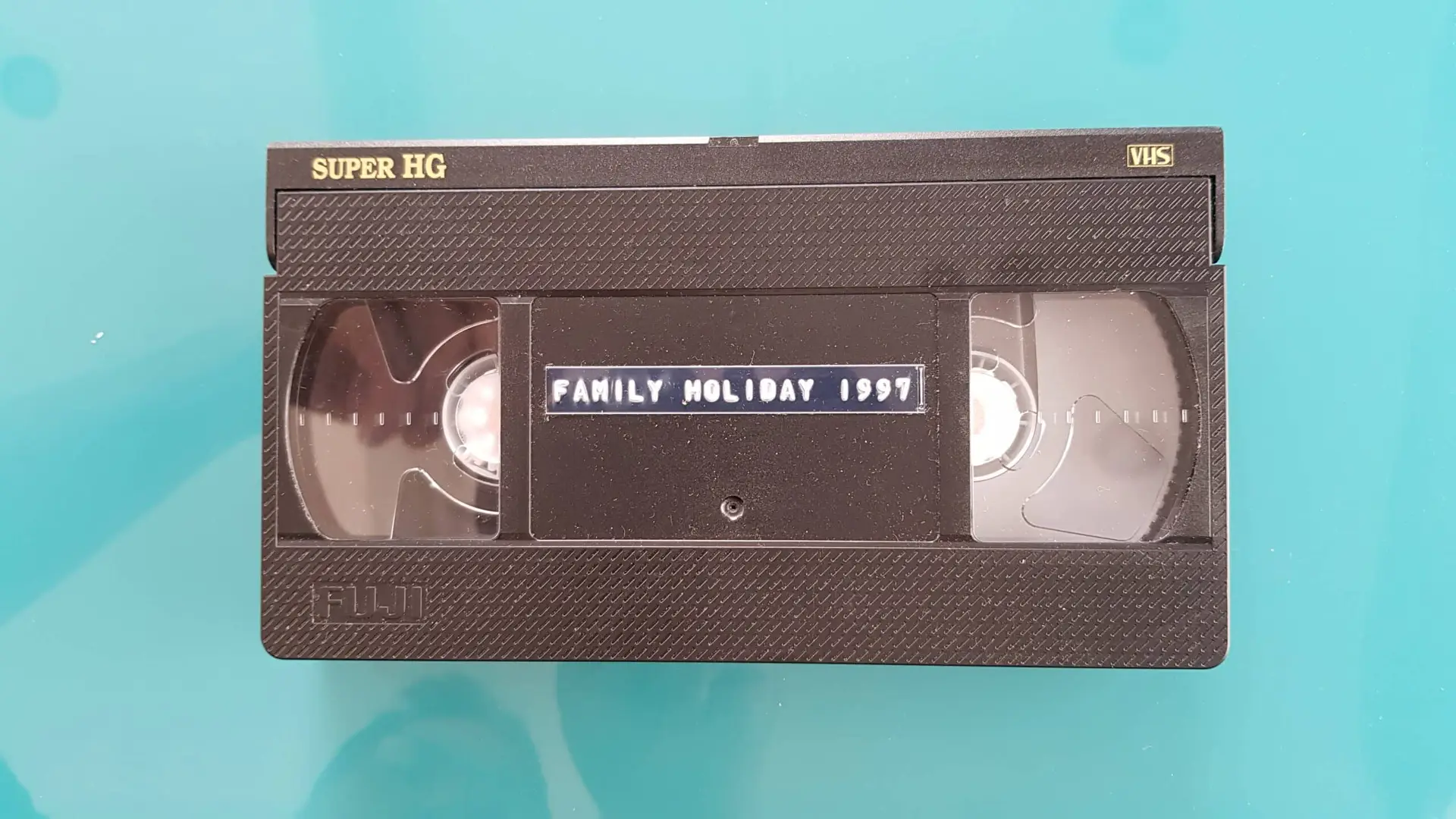
- handwritten labels showing family events
- signs the tape has been stored in a loft, shed or garage
If the tape contains a wedding, birthday, school play, holiday or footage of a loved one, treat it as valuable even if the cassette looks ordinary.
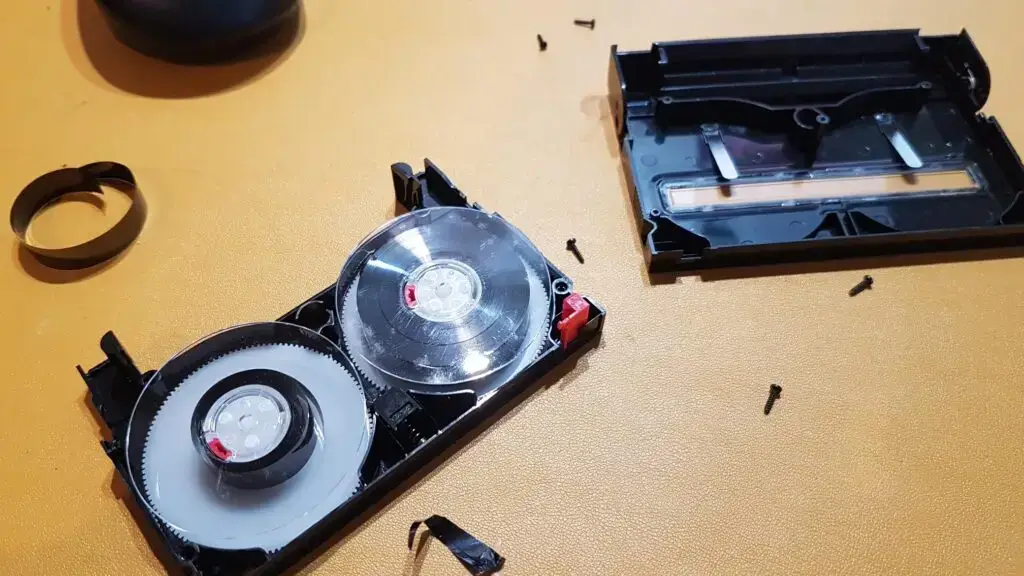
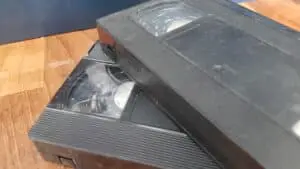
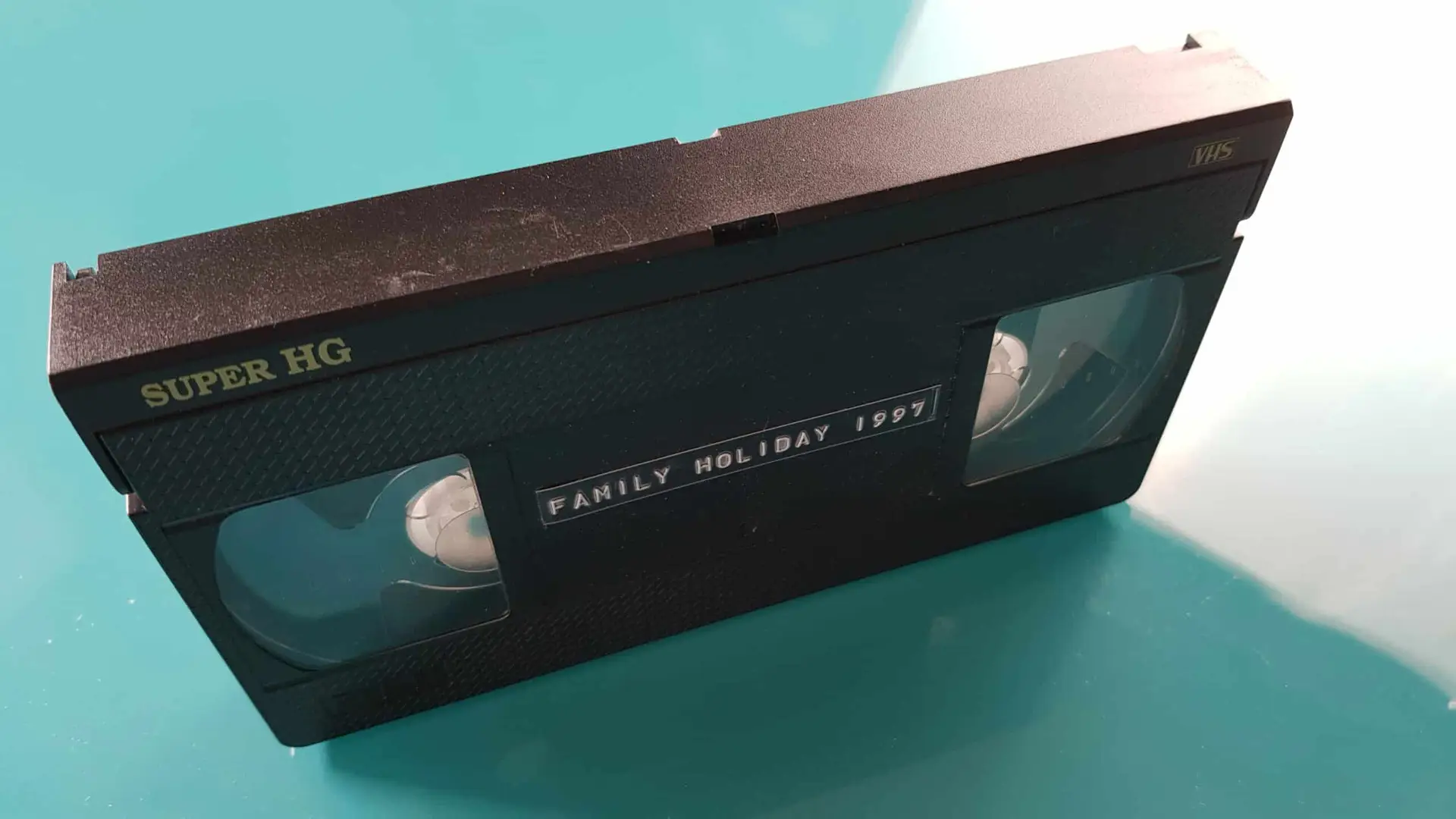
The cassette window can reveal mould, loose tape or uneven winding before playback.
© Image by Supaphoto
Can You Use a VHS Head Cleaner?
Yes, but only for the VHS player, not the tape.
A VHS head cleaner may help if your machine shows:
- snowy picture
- lines on screen
- intermittent playback
- muffled picture detail
- poor tracking
However, head cleaners are not a cure for every problem. If the VHS player is old, worn or faulty, a cleaning cassette will not fix belts, rollers, alignment or electrical faults.
Also, avoid using a head cleaner too often. Some abrasive cleaning tapes can wear video heads if overused.
How to Clean the Outside of a VHS Cassette
If the cassette shell is dusty but the tape inside looks clean and dry, you can gently clean the outside.
Safe Basic Steps
- Place the cassette on a clean, dry surface.
- Keep it away from food, drink and damp.
- Use a dry microfibre cloth to wipe the plastic shell.
- Avoid pressing near the tape window.
- Do not let liquid enter the cassette.
- Keep labels intact if they contain useful information.
Do not clean the magnetic tape itself. The recording lives on that tape, and physical contact can cause damage.
What If the VHS Tape Has Mould?
Mould is one of the biggest risks with old VHS tapes. It often appears as white, grey or powdery marks inside the cassette.
Do not play a mouldy tape in a normal VCR. The mould can spread through the machine and contaminate other tapes. It may also scratch or damage the tape during playback.
Mouldy tapes need specialist assessment. Depending on the condition, they may need controlled cleaning before transfer.
Supaphoto’s video preservation specialists can inspect tapes and advise on mould treatment before digitisation.
Expert Insight
Archive preservation practice puts condition assessment before playback. With mouldy tapes, playing first and checking later is the wrong order.
Why Old VHS Tapes Become Dirty or Damaged
VHS tapes are physical objects. Over time, they can deteriorate because of:
- damp storage
- temperature changes
- dust
- mould spores
- repeated playback
- poor cassette cases
- faulty VCR mechanisms
- loft or garage storage
- tape binder deterioration
- contamination from previous machines
Even tapes that look fine can have hidden problems. A cassette stored for 30 years may not behave like it did when new.
Signs a Tape Should Not Be Played
Stop before playback if you notice:
- visible mould
- loose tape
- cracked shell
- tape stuck to itself
- strange smell
- squealing during playback
- tape crinkling
- slow or uneven winding
- the player struggles to eject
A faulty playback attempt can cause permanent damage. If the footage matters, professional help is safer than repeated testing.
DIY VHS Cleaning: What Can Go Wrong?
DIY cleaning may seem simple, but the risks are real.
Common problems include:
- stretching the tape
- scratching the magnetic surface
- introducing moisture
- spreading mould
- misaligning the cassette shell
- losing screws or springs
- damaging the leader tape
- contaminating a VHS player
- making professional recovery harder
Household cleaning products are not designed for magnetic tape. Even a small amount of residue can affect playback.
Professional VHS Tape Cleaning and Transfer
A professional process begins with inspection. The aim is to understand the tape’s condition before deciding whether it can be played, cleaned, repaired or digitised.
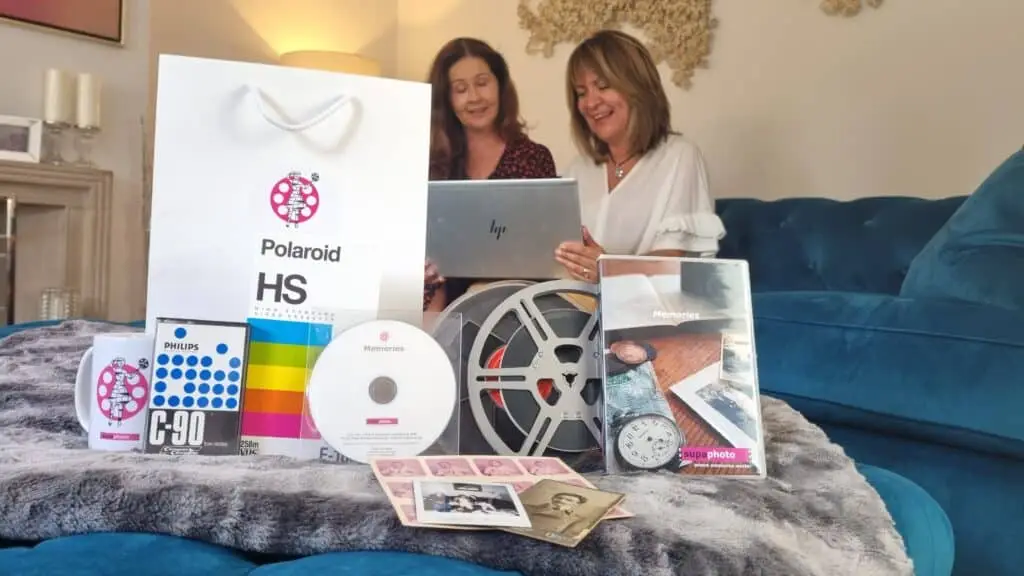
Supaphoto Ltd works from a dedicated UK studio and handles old tapes with careful inspection, specialist equipment, order tracking, experienced technicians and quality assurance. Where appropriate, tapes can be assessed for repair or mould treatment before transfer.
This is especially important for:
- family weddings
- childhood footage
- school plays
- old camcorder tapes
- recordings of relatives
- tapes stored in damp places
- rare or irreplaceable recordings
Once a tape has been safely transferred, you can watch the recording without repeatedly playing the original cassette.
Supaphoto can convert old VHS recordings into digital files so they are easier to watch, copy and protect.
VHS to DVD, USB or Digital After Cleaning
Cleaning or inspection is only part of the preservation process. The next step is usually digitisation.
VHS to DVD
Useful for simple playback, especially for relatives who still use a DVD player.
VHS to USB
Convenient for many modern televisions, laptops and computers.
VHS to Digital Files
Usually the most flexible option for storage, sharing, editing and backups.
For important family tapes, digital files plus a backup copy often provide the best long-term protection.
DIY Digitisation After Cleaning
If a tape is clean, dry and safe to play, DIY digitisation may be possible. You need:
- a reliable VHS player
- suitable cables
- a capture device
- computer software
- storage space
- time to monitor the full transfer
The transfer happens in real time. A two-hour tape takes at least two hours, plus setup and checking.
Common DIY problems include:
- no sound
- poor tracking
- black and white picture
- wrong aspect ratio
- audio out of sync
- dropped frames
- over-compressed files
- incomplete recordings
DIY can work for ordinary tapes, but damaged, mouldy or emotionally important recordings need more care.
Expert Insight
The safest preservation route is usually: inspect, clean or repair only if needed, transfer once carefully, then make backups. Repeated playback increases risk.
How to Store VHS Tapes After Cleaning
If you keep the originals, store them properly.
Good Storage Habits
- keep tapes upright
- use clean cases
- avoid lofts and garages
- keep away from damp
- avoid direct sunlight
- keep away from radiators
- label clearly
- store digital copies separately
Do not store tapes in plastic bags if they may trap moisture. Dry, stable conditions are better than extreme temperatures.
What Can You Do After Digitising Cleaned Tapes?
| Project idea | What you can create | Best format |
|---|---|---|
| Family archive | Folders by year, person or event | Digital files |
| Birthday gift | Childhood clips edited together | MP4 |
| Wedding anniversary | Preserved wedding footage | USB or DVD |
| Memory box | USB with videos, photos and notes | USB |
| Care home viewing | Simple playback copy for relatives | DVD or USB |
| Family history project | Combine video with scanned photos | Digital archive |
| Private sharing | Short clips for family groups | MP4 |
For creative ways to enjoy old recordings again, Supaphoto’s inspiration section offers practical memory project ideas.
FAQs About VHS Video Tape Cleaner
What is a VHS video tape cleaner?
It can mean a VHS head cleaning cassette for the machine, or a specialist process for cleaning the tape itself before playback or digitisation.
Can I clean a VHS tape myself?
You can gently clean the outside shell with a dry cloth, but you should not clean the magnetic tape itself without specialist equipment.
Can I use alcohol to clean VHS tape?
Do not apply alcohol to the magnetic tape at home. It can damage the tape or leave residue if used incorrectly.
Does a VHS head cleaner clean the tape?
No. It cleans the video heads inside the player. It does not remove mould or dirt from a VHS cassette.
Can mouldy VHS tapes be saved?
Often they can be assessed, but they need specialist handling. Do not play mouldy tapes in a normal VCR.
Should I clean VHS tapes before digitising?
Inspect them first. Clean only if needed and only using a safe method. Important or mouldy tapes should be professionally assessed.
Conclusion
A VHS video tape cleaner can be useful, but only if you understand what it does. A head cleaner may help a VHS player, but it will not safely clean a mouldy or damaged tape. If your cassette contains important family footage, the safest route is inspection, careful treatment where needed and digitisation.
Old tapes can hold memories that cannot be recreated. Treat them gently before deciding whether to clean, play, transfer or store them.
Newsletter sign-up: Join the Supaphoto newsletter for practical advice on preserving old tapes, photos and family memories.
Request a quotation: Ask Supaphoto for a quote if you would like VHS tapes inspected, cleaned where appropriate and converted to DVD, USB or digital files.
Social media share or follow: Share this guide with someone who has old tapes in storage, or follow Supaphoto for more preservation tips.