
The right Large Format Scanning company should protect your originals, capture fine detail accurately and supply digital files suited to their intended use. Before choosing a provider, assess its equipment, experience with oversized material, handling procedures, quality assurance, file formats, security and ability to manage fragile or unusual items.
Key points to compare include:
- The sizes, materials and conditions the company can safely scan.
- Whether it uses sheet-fed, flatbed or overhead capture equipment.
- The resolution, colour mode and file formats supplied.
- How technicians check accuracy, completeness and image quality.
- Whether files can be indexed, named or organised for retrieval.
- How originals are transported, protected and returned.
- Whether the quotation includes preparation, scanning and post-production.
What Is Large Format Scanning?
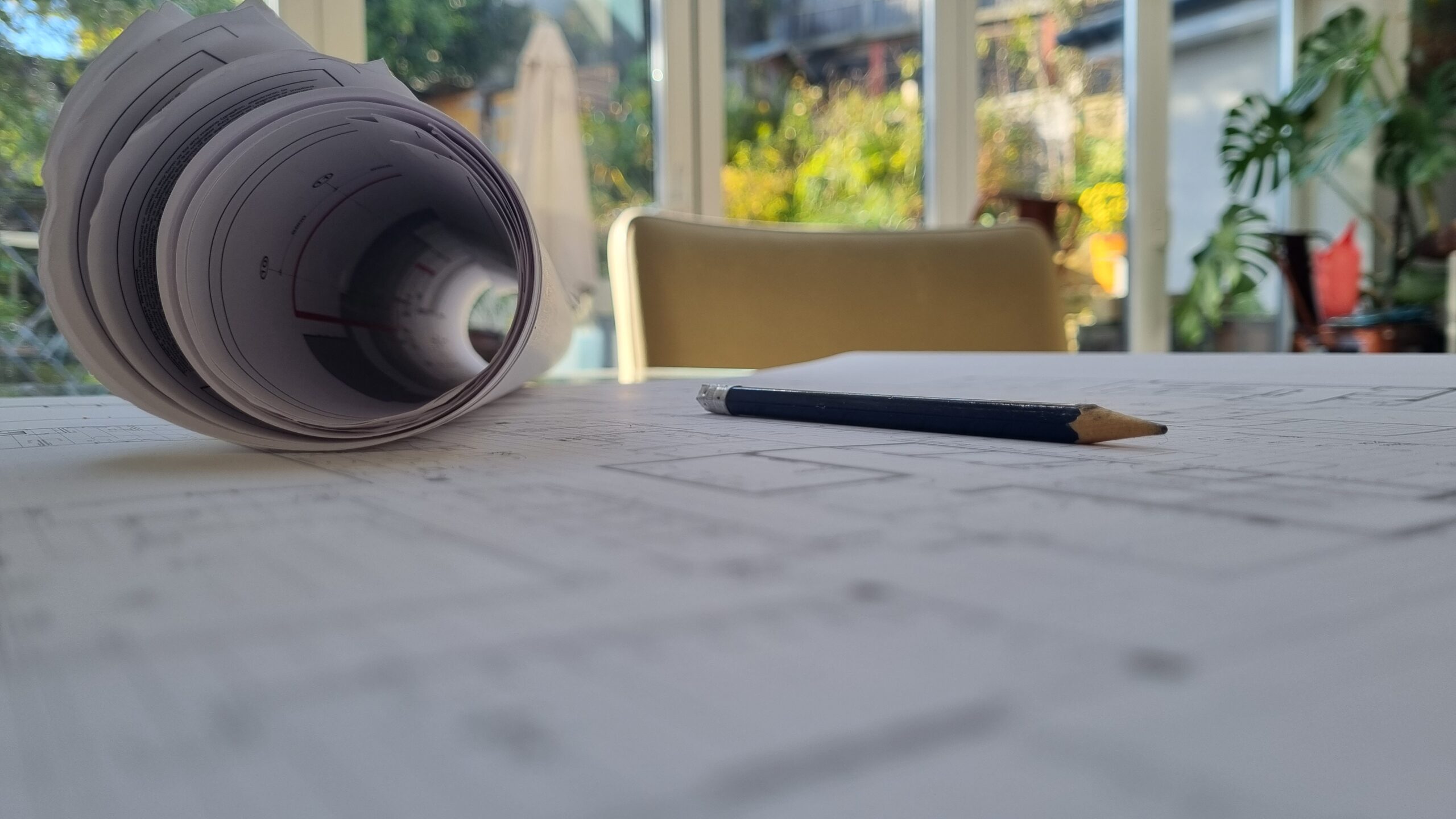
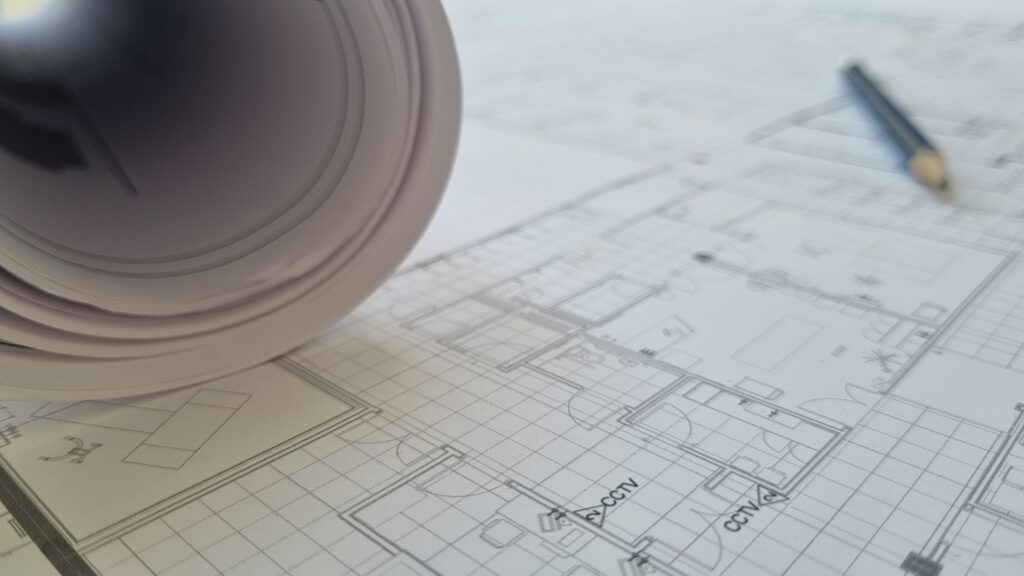
Large format scanning converts oversized physical documents into digital image files. It is commonly used for architectural plans, engineering drawings, maps, posters, artwork, newspapers, technical diagrams and manuscripts that are too large for a standard office scanner.
A professional service may handle familiar paper sizes such as A2, A1 and A0, as well as longer drawings, irregular sheets and materials larger than A0. The correct capture method depends on more than dimensions. Paper thickness, surface texture, fragility, media type, folds, tears and mounting can all affect how an item should be digitised.
Businesses often use specialist oversized document digitisation to reduce physical storage, improve access to working drawings and protect frequently consulted originals. Museums, historical societies and private collectors may have different priorities, including faithful colour reproduction and minimal handling.
Decide What You Need Before Requesting a Quote
A scanning company cannot recommend the correct specification without understanding the purpose of the project. Begin by deciding how the finished files will be used.
You may need digital copies for:
- Day-to-day reference
- Construction or engineering workflows
- Insurance documentation
- Online publication
- Exhibition graphics
- Reprinting
- Historical research
- Long-term preservation
- Disaster recovery
- Internal record management
A reference copy viewed on screen does not require the same specification as a museum-quality reproduction. Likewise, a technical drawing containing fine dimensions and annotations needs different treatment from a bold promotional poster.
Ask the provider to explain its recommendation rather than accepting the highest resolution automatically. Excessive resolution can create unnecessarily large files without revealing additional useful information, while an inadequate setting may lose fine lines, small handwriting or surface detail.
Match the Scanner to the Original
One of the most important questions is how the item will pass through—or be positioned beneath—the scanning equipment.
| Capture method | Suitable material | Main consideration |
|---|---|---|
| Sheet-fed wide-format scanner | Stable plans, drawings and modern posters | Fast, but the original must travel through rollers |
| Large flatbed scanner | Flat items that should not be pulled through machinery | Offers controlled contact but has size limitations |
| Overhead camera system | Fragile, mounted, textured or awkward originals | Reduces contact and accommodates unusual material |
| Specialist art capture system | Paintings, drawings and colour-critical work | Requires controlled lighting and colour management |
Sheet-fed scanners can work well for robust modern plans. They may be unsuitable for brittle tracing paper, torn blueprints, curled documents, mounted artwork or anything with loose media.
An experienced operator should inspect the condition first and choose the least risky method. The National Archives describes the preparation, condition, dimensions, image specifications and transportation of records as important parts of scoping a digitisation project. Its own approach also uses specialist equipment and quality checks for maps, plans, technical drawings and oversized records.
Check Experience with Your Type of Material
A company may be highly capable at scanning technical drawings but less experienced in reproducing fine art or historic manuscripts. Ask for evidence of comparable work.
Plans and engineering drawings
Technical documents often contain faint pencil marks, coloured revisions, stamps, measurements and fine linework. The scan must remain readable when enlarged, and the file naming may need to correspond with drawing numbers, project codes or revision dates.
Posters, photographs and artwork
Visual material requires careful attention to colour, tonal range, texture and cropping. If faithful reproduction matters, ask whether the provider uses calibrated equipment, controlled lighting and colour targets.
Collectors and artists whose work demands more specialised capture may benefit from a colour-managed approach for paintings and original artwork.
Maps and historical records
Older documents may be folded, creased, repaired, stained or mounted on fabric. They should not be flattened aggressively simply to make scanning easier. A suitable company will adapt its workflow to the original rather than forcing the item through unsuitable machinery.
For mixed institutional collections, a wider heritage archive preservation programme can bring maps, books, documents, photographs and manuscripts into one organised digital collection.
Resolution Is Important—but It Is Not Everything
Resolution is usually expressed in dots or pixels per inch. Higher figures can capture more detail, but they also increase file size and processing requirements.
The appropriate setting depends on:
- The physical size of the original
- The smallest detail that must remain legible
- Whether enlargement or reproduction is planned
- The quality and condition of the source
- Whether OCR will be attempted
- The chosen file format
- Available digital storage
Image quality also depends on focus, even illumination, tonal accuracy, colour consistency, sharpening and the quality of the original itself. A poorly exposed scan does not become archival merely because it has a high resolution.
Request a representative sample before approving a valuable or high-volume project. Inspect fine text, lines, shaded areas, edges and colours at realistic viewing sizes.
Choose Suitable File Formats
A reliable company should ask how you plan to store, access and distribute the scans.
| File format | Common purpose |
|---|---|
| TIFF | High-quality preservation master or reproduction file |
| JPEG | Convenient access copy with a smaller file size |
| Easy sharing of complete documents and drawing sets | |
| Searchable PDF | Keyword searching where OCR is effective |
| PNG | Lossless access file for selected graphic material |
For important projects, it is sensible to request preservation masters alongside smaller working copies. This avoids repeatedly compressing or altering the highest-quality scan.
The British Library identifies preservation, wider access and more flexible presentation as important benefits of digitising collections, while also stressing the need to scope and prepare projects appropriately.
Ask How Quality Assurance Works
Scanning is only one stage of the process. Without structured checking, a project can contain missing pages, clipped edges, skewed drawings, incorrect filenames or files saved in the wrong colour mode.
Quality assurance should assess:
- Completeness
- Orientation
- Cropping
- Sharpness
- Exposure
- Colour balance
- File naming
- Format and resolution
- Duplicate or missing images
- Corrupted files
For technical collections, the provider may also need to verify drawing numbers, dates and revisions against an index. For artwork, comparison with the original under controlled viewing conditions may be more important.
Ask whether every image is reviewed or whether the company checks only a sample. A percentage-based check may be acceptable for uniform high-volume work, but valuable, varied or fragile collections often justify closer inspection.
Plan File Naming, Indexing and Delivery
Thousands of technically accurate scans can still become difficult to use when they are badly organised.
Agree the naming structure before production begins. Useful filenames may include:
- Project code
- Drawing number
- Revision
- Date
- Department
- Location
- Collection reference
- Volume or sequence number
The provider should preserve leading zeros and use consistent separators so files sort correctly. Avoid filenames such as scan1, scan2 and scan3, which reveal nothing about the contents.
Files may be delivered through encrypted transfer, external storage devices, secure portals or an organisation’s own document management system. Confirm whether the quotation includes folder creation, indexing, metadata entry and delivery media.
Consider Security, Copyright and Confidentiality
Architectural plans, infrastructure drawings, property records and internal documents may contain sensitive information. Ask where the work will be performed, who can access the originals and how temporary files are managed.
A suitable provider should be able to explain:
- Secure premises and access controls
- Staff handling procedures
- Data transfer arrangements
- Backup during production
- Retention and deletion policies
- Packaging and tracked transport
- Confidentiality agreements where required
You should also establish whether you have the right to reproduce and distribute the material. Owning a physical poster, artwork or document does not necessarily mean that you own its copyright. The National Archives provides guidance for archives dealing with copyright and digitisation, including considerations relating to orphan works and rights holders.
Understand What Affects the Price
Large format scanning quotations are usually influenced by more than the number of sheets.
Costs may vary according to:
- Document dimensions
- Quantity
- Fragility and preparation
- Colour or monochrome capture
- Resolution
- Scanner type
- Manual cropping and rotation
- Image restoration
- File naming and indexing
- OCR requirements
- Collection and delivery
- Required turnaround time
A very low unit price may assume that every item is clean, flat, robust and identical. Ask what happens when technicians encounter torn sheets, tightly rolled plans, mixed sizes or documents requiring individual adjustment.
The most useful quotation clearly separates preparation, capture, processing, indexing and delivery. That makes comparisons between suppliers much more meaningful.
Questions to Ask a Large Format Scanning Company
Before approving the project, ask:
- What is the largest size you can capture?
- Which scanner would you use for my material?
- Will any originals pass through rollers?
- How do you handle brittle, torn or mounted documents?
- Can you provide a test scan?
- Which resolutions and file formats are available?
- Do you use calibrated colour workflows?
- How are files checked after scanning?
- Can filenames follow our existing reference system?
- Where is the work completed?
- How are files transferred securely?
- How will the originals be packaged and returned?
Clear, specific answers are a stronger trust signal than general claims about quality.
Common Mistakes to Avoid
Choosing solely on price
The cheapest provider may use unsuitable equipment, minimal checking or a specification that does not meet your future needs.
Assuming every large document can be sheet-fed
Fragile, mounted and textured items may require overhead or specialist flatbed capture.
Ordering scans without a naming plan
Poorly named files create unnecessary work and may make large collections difficult to navigate.
Requesting the highest resolution without considering use
More pixels create larger files, but they do not automatically improve a scan beyond the detail present in the source.
Discarding originals too quickly
Digitisation may improve access, but decisions about disposing of physical records should consider legal, historical and operational requirements. Public-record bodies may have specific obligations relating to both originals and digitised versions.
Preparing Oversized Originals for Scanning
Good preparation reduces handling time, protects vulnerable material and helps the scanning company produce consistent results. Before sending a collection, identify obvious problems such as torn edges, detached labels, adhesive tape, heavy creasing, surface dirt or tightly rolled sheets.
Do not attempt aggressive repairs with household tape, glue or laminating film. These materials can stain paper, conceal information and make professional conservation more difficult. Fragile items should be stabilised only with suitable archival methods, and valuable originals may need advice from a paper conservator before digitisation begins.
Create a basic inventory showing:
- Item title or description
- Reference number
- Approximate dimensions
- Colour or monochrome status
- Physical condition
- Required file name
- Intended output format
- Any handling restrictions
This inventory gives the provider a reliable way to check that every item has been received, scanned and returned. It also reduces the risk of files being delivered under unclear or inconsistent names.
Rolled drawings should not be forcibly flattened shortly before scanning, as brittle material may split or retain severe curl. Tell the provider how long the documents have been rolled and whether they are stored on tubes. A specialist may recommend gradual relaxation or an overhead capture method rather than feeding them through rollers.
What Should a Test Scan Demonstrate?
A test scan should reflect the most difficult material in the collection rather than the cleanest item. Choose an original containing fine text, faint markings, coloured areas, folds or edge damage. This reveals whether the proposed workflow can handle the real challenges of the project.
Review the sample at normal viewing size and at higher magnification. Check that:
- Small annotations remain legible
- Fine lines are continuous
- Colours look natural
- No edges have been clipped
- The image is straight and evenly lit
- Fold lines have not hidden important content
- Compression has not created visible artefacts
Where colour accuracy is essential, compare the digital image with the original under stable lighting rather than relying on an uncalibrated screen. Agree any changes before the full collection enters production. A short test stage can prevent an entire batch from being captured at an unsuitable setting and provides a clear quality benchmark for both the customer and scanning company.
Frequently Asked Questions
Can folded plans be scanned?
Yes, but they may need careful unfolding and flattening first. Fragile folds should be assessed before handling because repeated opening can cause splits.
Can documents larger than A0 be digitised?
Many specialist providers can capture material larger than A0. The item may be scanned using extended equipment, photographed from above or captured in sections and accurately joined.
Can faded drawings be improved?
Careful tonal adjustment can improve readability, although a scan cannot recover information that is no longer present. Keep an unaltered master file alongside any enhanced copy.
Is OCR suitable for large plans?
OCR can help with clearly printed titles and notes, but technical layouts, handwriting and fine annotations may reduce accuracy. Manual indexing by drawing number is often more dependable.
Should artwork and plans use the same scanning settings?
Not necessarily. Technical plans prioritise line clarity and legibility, whereas artwork may require greater attention to colour accuracy, tonal transitions and surface detail.
Making the Right Choice
Choosing a Large Format Scanning company requires more than comparing prices and advertised resolutions. The best provider will ask about the material, its condition, your intended use and the structure of the finished archive before recommending a workflow.
Look for appropriate equipment, demonstrated experience, careful handling, transparent quality assurance and practical advice about formats, naming and storage. A well-planned project will create accurate digital records that are easy to find, share and preserve—without exposing irreplaceable originals to unnecessary risk.