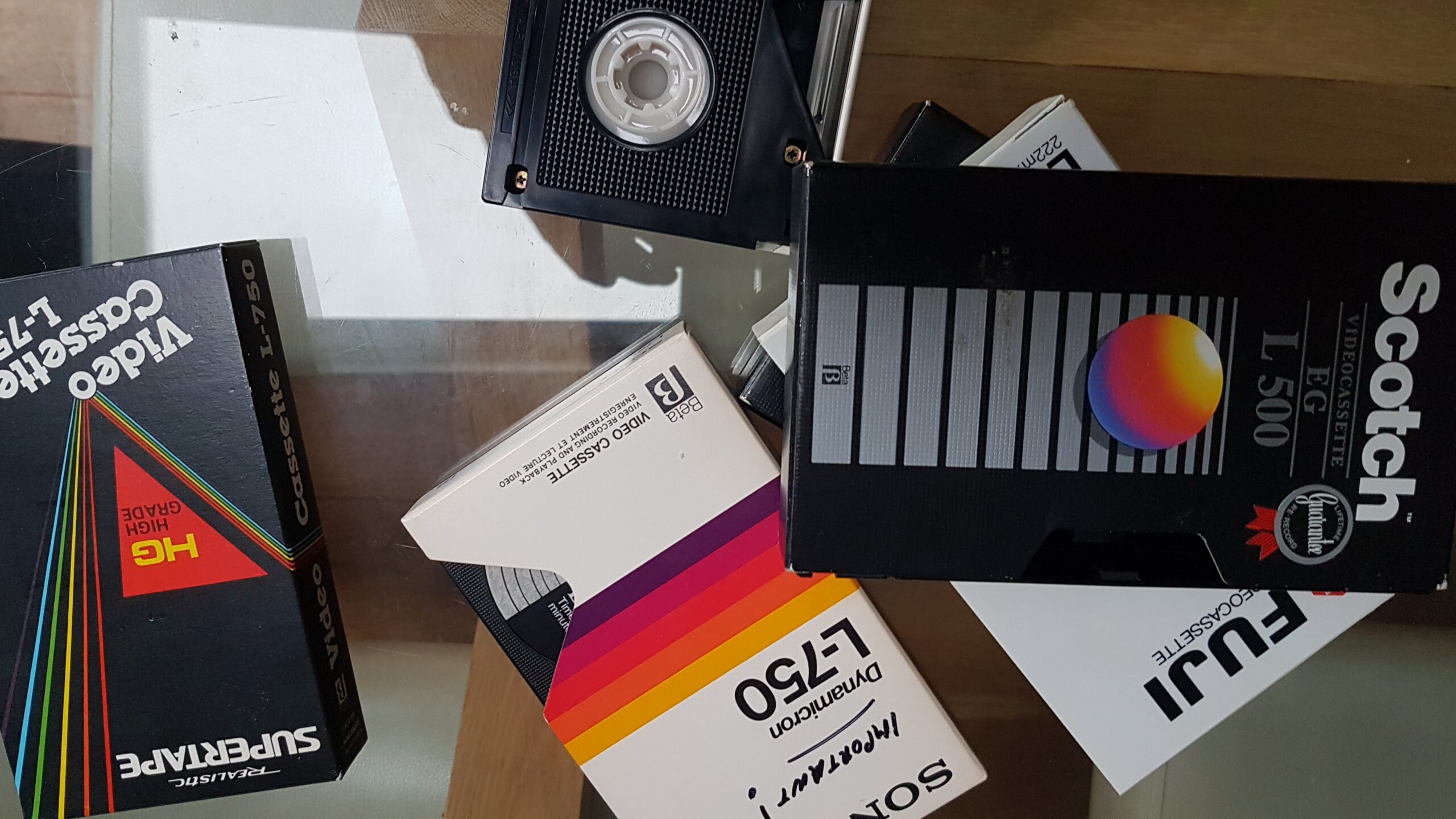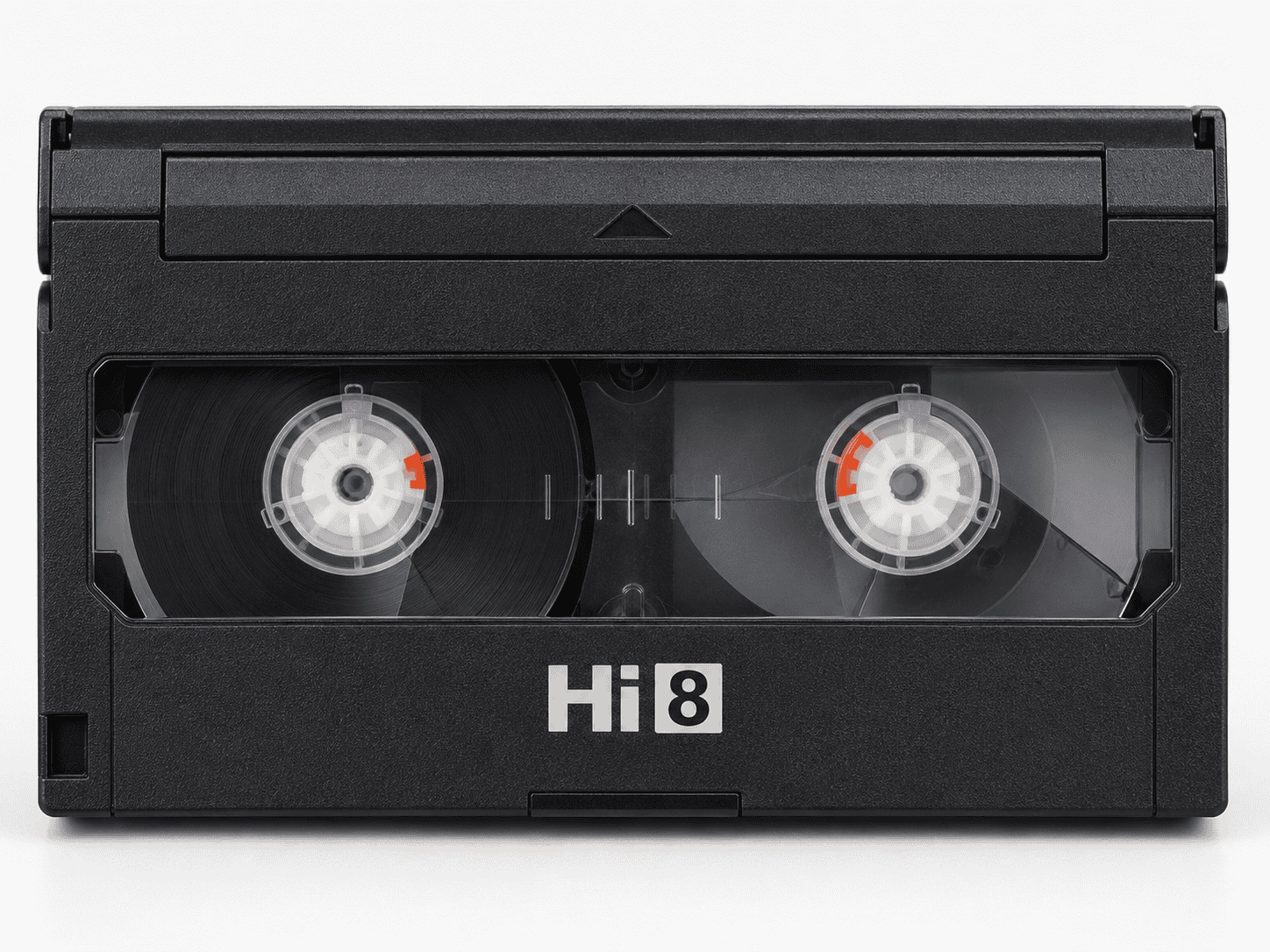

Yes, some VHS tapes can be worth money, but most common films have little resale value. Collectors tend to pay more for genuinely scarce releases, unusual horror titles, promotional copies, withdrawn editions, factory-sealed tapes and releases that never appeared widely on later formats. The exact edition matters far more than the film title alone.
| Type of VHS | Collector potential | What to check |
|---|---|---|
| Common 1980s–1990s films | Usually low | Condition and unusual editions |
| Cult and horror releases | Moderate to high | Distributor, catalogue number and sleeve |
| Pre-certification UK tapes | Potentially high | Original release and artwork |
| Promotional or screener tapes | Variable | Provenance and rarity |
| Factory-sealed copies | Higher for desirable titles | Genuine original seal |
| Home recordings | Little resale value | Personal or historical importance |
| Withdrawn or recalled releases | Potentially high | Authenticity and exact version |
The quickest mistake is assuming that an old tape must be valuable simply because it is old. VHS value comes from scarcity plus demand, not age alone.
Start With the Exact Release, Not Just the Film
Two VHS copies of the same film can have completely different values.
Collectors may care about:
- the distributor
- the year of release
- sleeve artwork
- catalogue number
- censorship certificate
- whether it was a rental or retail edition
- whether it was withdrawn
- whether it remains sealed
- regional differences
- promotional markings
A later mass-produced copy of a popular film may have almost no value, while an earlier release with unusual artwork could attract serious collector interest.
This is why searching only for the film title can produce misleading results.
If you want to know what a cassette is worth, identify the specific edition.
Use Sold Prices, Not Asking Prices
One of the most useful collector rules is also the simplest:
A listing price is not a sale price.
Someone can list a VHS tape online for £5,000. That does not mean anyone has ever paid £5,000 for it.
When checking value:
- Search for the exact title and release.
- Include “VHS”.
- Match the sleeve and label carefully.
- Check completed or sold listings.
- Ignore wildly different outliers.
- Look for several comparable sales where possible.
Sold listings show what buyers actually paid.
Active listings only show what sellers hope to receive.
This distinction explains many internet stories about supposedly enormously valuable VHS tapes.
Horror VHS Tapes Can Attract Serious Collectors
Horror remains one of the strongest VHS collecting categories.
In the UK, particular interest surrounds some early home-video releases from the late 1970s and early 1980s, including titles associated with the so-called “video nasty” era.
Collectors may look for:
- original pre-certification releases
- distinctive big-box packaging
- early distributor labels
- original sleeve artwork
- withdrawn versions
- uncensored editions
- complete cases and inserts
The distributor can be as important as the film.
An early release from a recognised cult-video label may have far more collector appeal than a later mainstream reissue of exactly the same movie.
Do not assume every old horror tape is valuable, though. Demand varies dramatically.
What Does “Pre-Cert” VHS Mean?
In UK collecting, pre-cert generally refers to commercial video releases from before compulsory statutory video classification became established under the Video Recordings Act 1984.
These early releases can interest collectors because:
- some had distinctive packaging
- some existed only briefly
- particular versions were withdrawn
- artwork sometimes changed later
- surviving examples can be comparatively scarce
The British Board of Film Classification has extensive historical information about the development of home-video classification in Britain. Its account of UK video regulation provides useful historical context.
Age alone still does not create value.
A rare release in excellent condition may be desirable. An obscure but unwanted tape may remain difficult to sell.
Are Disney VHS Tapes Really Worth Thousands?
Usually not.
Disney VHS tapes are responsible for some of the most persistent myths surrounding video collecting.
You may see references to Black Diamond Disney tapes, identified by “The Classics” diamond branding used on some releases.
Online listings sometimes ask enormous prices for them.
That does not mean buyers are paying those figures.
Many Disney VHS titles were produced in very large quantities and remain common.
A particular Disney cassette becomes more interesting when it combines characteristics such as:
- a genuinely scarce edition
- unusual regional artwork
- factory sealing
- excellent condition
- a rare promotional variant
- limited distribution
A normal opened copy of a mass-market film is unlikely to become valuable simply because a particular logo appears on its case.
Always compare sold examples of the exact release.
Factory-Sealed VHS Can Be Worth More
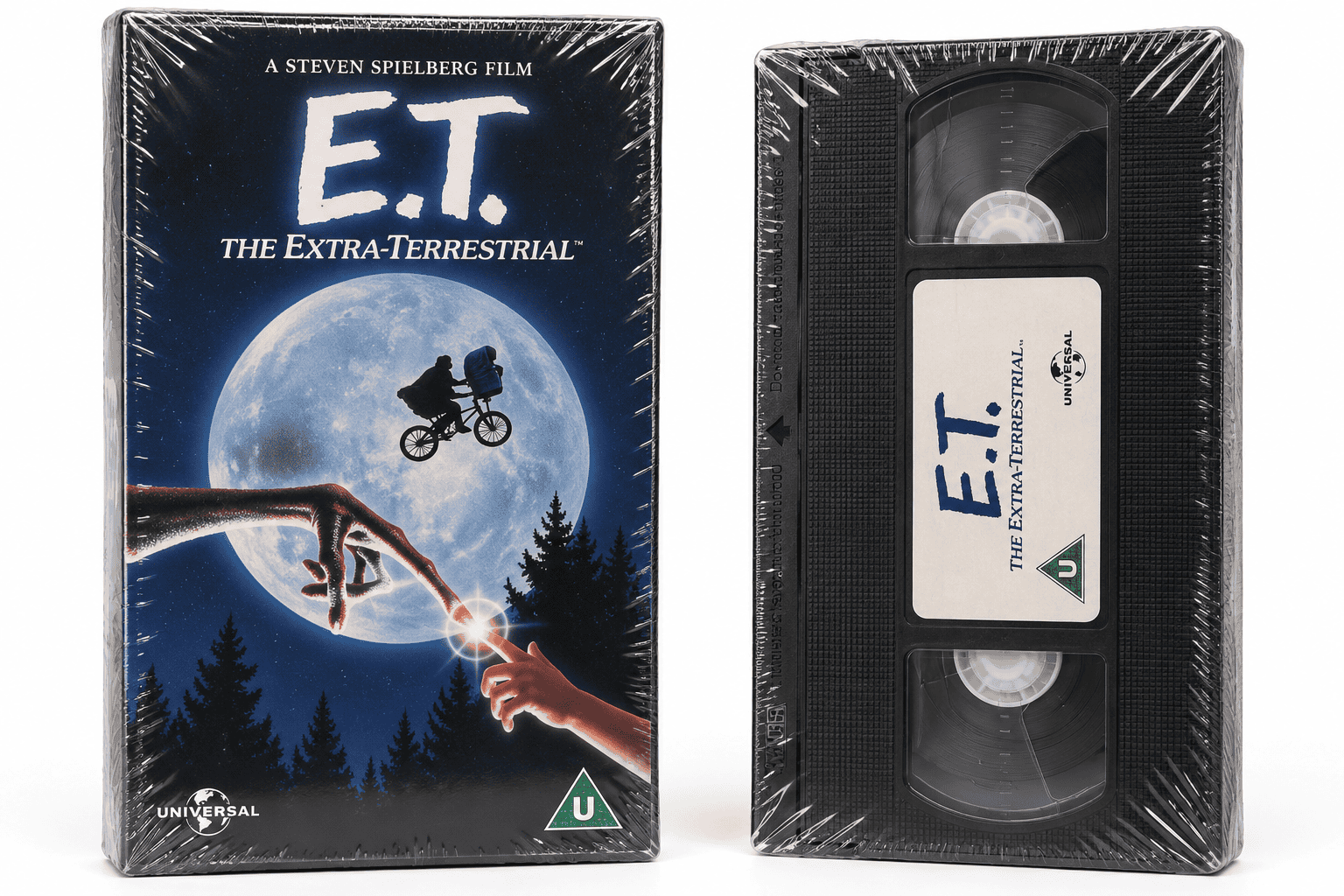
Condition matters greatly in collecting.
An unopened tape can attract a premium because collectors value items that remain close to their original retail condition.
However, “sealed” is not automatically the same as “valuable”.
A sealed copy of an extremely common and unwanted title may still have little value.
The strongest combination is:
scarce title + desirable release + excellent condition + genuine original seal
Be cautious when assessing shrink wrap.
Some tapes have been rewrapped by retailers or previous owners, so a plastic covering does not necessarily prove that the cassette has remained unopened since manufacture.
Promotional and Screener Tapes
Promotional VHS releases can attract interest because fewer copies were produced.
You might find labels such as:
- For Promotional Use Only
- Not For Resale
- Screener
- Preview Copy
- Review Copy
- Rental Preview
Studios and distributors sent such copies to:
- journalists
- retailers
- rental stores
- industry professionals
- reviewers
Scarcity varies.
Some promotional tapes are genuinely unusual; others were distributed in fairly large numbers.
Their value depends on the film, release, condition and collector demand.
Ex-Rental VHS Can Be Collectible
A worn ex-rental cassette might appear less desirable than a pristine retail copy, but early rental releases can sometimes be exactly what collectors want.
Before films became inexpensive enough for widespread sell-through VHS ownership, rental stores represented an important part of the home-video market.
These releases sometimes featured:
- large boxes
- distinctive sleeve designs
- early distributor branding
- different edits or artwork
- rental-only packaging
A battered case will usually reduce value, but an early rental version can still have collector significance.
Do not throw an old big-box VHS away simply because it looks different from later retail releases.
Films That Never Reached DVD or Streaming Can Attract Demand
Scarcity can arise because the film itself remains difficult to watch elsewhere.
Some:
- television productions
- specialist documentaries
- music releases
- instructional videos
- independent films
- local productions
never received a widely available DVD, Blu-ray or digital release.
In these cases, VHS may remain one of the few legitimate physical releases available.
Collectors sometimes seek such tapes because of the content rather than the packaging.
This is one reason obscure VHS titles can occasionally prove more interesting than famous Hollywood films that were manufactured by the million.
Music, Wrestling, Sport and Specialist Interest Tapes

Do not limit your search to feature films.
Collector demand can exist for specialist VHS material including:
- concerts
- music compilations
- wrestling
- motorsport
- football
- railway films
- aviation
- bodybuilding
- skateboarding
- instructional material
- children’s programmes
- niche television releases
Special-interest markets can be surprisingly strong because collectors may have few alternative releases to choose from.
An obscure tape about a particular football club or railway line may attract a committed buyer even though most people would pass it by.
Condition Can Change the Price Dramatically
Before valuing a tape, inspect the whole item.
Check the:
- cassette shell
- front label
- spine label
- sleeve
- case
- inserts
- tape itself
Problems that reduce value include:
- cracked cases
- torn artwork
- water damage
- sun fading
- handwritten labels
- missing sleeves
- mould
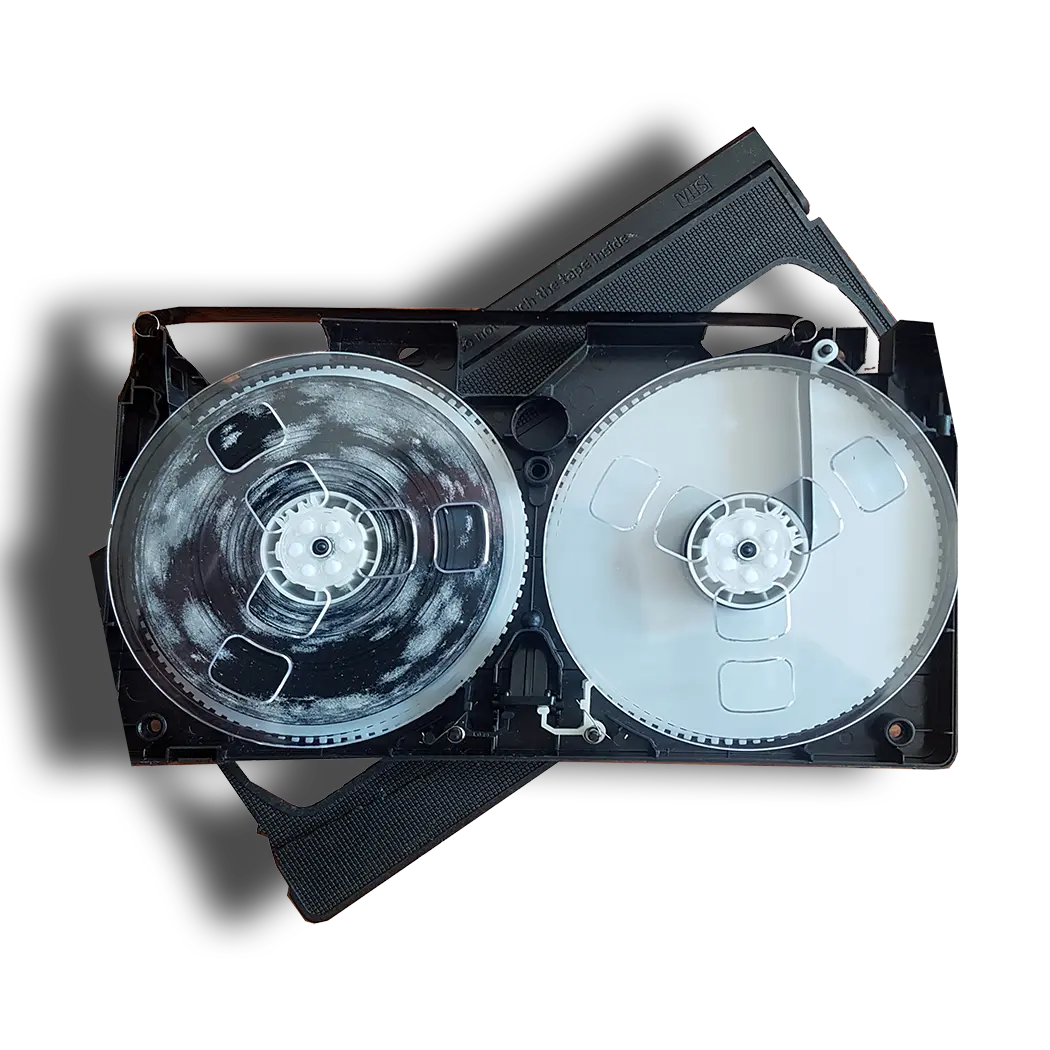
- damaged cassette shells
- peeling labels
Do not play a visibly mouldy tape simply to see whether it works.
Mould can contaminate a VCR and potentially affect other cassettes played afterwards.
For collectible material, disclose condition accurately rather than attempting aggressive cleaning.
Don’t Forget Catalogue Numbers
A catalogue number can help distinguish one edition from another.
Look along:
- the cassette label
- spine
- back cover
- bottom edge of the sleeve
Collectors often use catalogue numbers to identify specific releases.
This becomes particularly helpful where the same film appeared repeatedly under similar artwork.
Photographing these details also makes an online listing more convincing to knowledgeable buyers.
A Quick VHS Collector Checklist
Before deciding that a tape has no value, check whether it has any of the following:
- unusual horror or cult title
- early UK release
- pre-certification packaging
- big rental box
- unusual distributor
- withdrawn artwork
- promotional markings
- screener label
- factory seal
- rare regional edition
- unusual catalogue number
- limited release
- title unavailable on later formats
- specialist subject matter
- complete packaging in excellent condition
One of these characteristics does not guarantee value.
Several together are much more interesting.
What About Recorded Television Tapes?
Old home-recorded television broadcasts occupy a different category from commercially released VHS.
They may contain:
- adverts
- news programmes
- sporting events
- local television
- continuity announcements
- children’s programmes
- episodes that are difficult to find elsewhere
Such recordings can have historical or research interest, but copyright still applies to the underlying broadcast material.
UK government guidance states that copyright material generally cannot be copied or reused without permission unless a relevant exception applies. The government’s copyright guidance explains the basic rules.
Treat commercial resale and copying of recorded broadcasts cautiously.
Their cultural interest does not automatically create a right to reproduce or distribute them.
Home Videos Have a Different Kind of Value
The wedding recorded in 1993 may have no collector market whatsoever.
That does not make it worthless.
Family VHS recordings can contain:
- relatives who have since died
- childhood footage
- weddings
- birthdays
- holidays
- family homes
- voices you have not heard for decades
Their value is personal rather than commercial.
If you are sorting a large box of tapes, separate these from commercial movies immediately.
A £1 mass-produced film can usually be replaced.
A family recording cannot.
For recordings you want to preserve, professional conversion of VHS and camcorder footage into modern digital files removes reliance on the ageing cassette and a working VCR.
Keep the original tape afterwards where practical.
Where Should You Sell Collectible VHS Tapes?
Different tapes suit different selling methods.
Online Marketplaces
Useful for unusual individual releases because you can reach specialist buyers.
Photograph:
- front sleeve
- back sleeve
- spine
- cassette label
- catalogue number
- seal where applicable
Collector Groups
Specialist film and VHS communities can help identify obscure releases and unusual variants.
They can also be useful when a tape has too few recent sales to establish an obvious market price.
Specialist Auctions
These make more sense for genuinely rare or high-value collections than for ordinary household tapes.
An auction specialist may help establish provenance and attract dedicated collectors.
Job Lots
Common tapes are often better grouped together.
Selling 30 ordinary films individually may involve more effort and postage than the collection is worth.
Should You Test a Valuable VHS Before Selling It?
Only when it is safe to do so.
If a cassette looks clean and mechanically sound, testing can reassure a buyer that it plays.
However, avoid playing a tape if you see:
- mould
- damaged reels
- broken plastic
- loose tape
- creasing
- unusual residue
An untested rare tape can still have value.
Damaging it in a faulty VCR will not improve matters.
If you do test valuable material, use known-good playback equipment.
Don’t Throw VHS Tapes Away Before Checking Them
When clearing a loft or inherited collection, use three groups:
- Potentially collectible
- Common commercial releases
- Personal recordings
Research the first group carefully.
Dispose of or rehome the second responsibly.
Protect and digitise the third.
This simple sorting method prevents both common mistakes: spending hours researching worthless mass-market films and accidentally discarding an irreplaceable family recording.
Frequently Asked Questions About VHS Tape Values
Are any VHS tapes worth anything in the UK?
Yes. Scarce horror releases, unusual pre-cert tapes, some promotional copies, limited editions and certain sealed releases can attract collectors.
Most ordinary commercial films remain low value.
What is the rarest VHS tape?
There is no single permanently “rarest” tape.
Different collectors pursue different releases, and values change as previously unknown copies appear.
Focus on documented scarcity and actual sales rather than internet rankings.
Are old Disney VHS tapes valuable?
Most are not particularly valuable because enormous numbers were produced.
Certain unusual, sealed or genuinely scarce editions can attract stronger prices.
Are sealed VHS tapes worth money?
Sometimes.
Sealing can significantly increase the value of a desirable release, but it does not transform an unwanted title into a rare collectible.
Do old horror tapes have value?
Some do.
Early UK horror VHS, pre-certification releases, unusual distributors and withdrawn editions are among the stronger collecting categories.
How do I find the value of my VHS tape?
Identify the exact edition, catalogue number and sleeve, then compare recent sold listings for matching copies.
Do not use asking prices alone.
Which VHS Tapes Are Worth Keeping?
The VHS tapes worth checking first are those that combine rarity, collector demand, unusual packaging and good condition. Early horror releases, scarce promotional material, withdrawn editions and genuinely unusual titles deserve research before you sell or discard them.
But monetary value should not be your only test.
A common commercial film may be replaceable, while an unlabelled home video could contain the only surviving recording of someone important to your family.
Check every unknown tape before making irreversible decisions. For family recordings and other irreplaceable footage, it ultimately makes sense to choose an experienced professional company accustomed to preserving ageing videotape collections, such as Supaphoto Ltd.