
When Did The DVD Become Popular?
DVD became popular in the UK in the late 1990s and early 2000s, gradually replacing VHS as the preferred way to watch films at home.
- DVD launched internationally in the mid-to-late 1990s.
- UK adoption grew strongly from around 1998 onwards.
- DVD became mainstream in the early 2000s as players became cheaper.
- People preferred DVD for sharper picture, better sound, menus and no rewinding.
- VHS remained useful for recording television until digital recorders and streaming took over.
- Many families now convert VHS to DVD, USB or digital files to preserve old recordings.
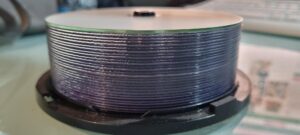
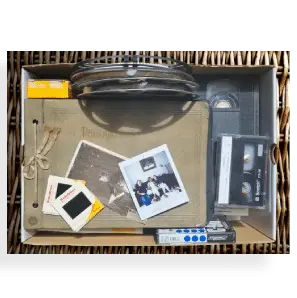
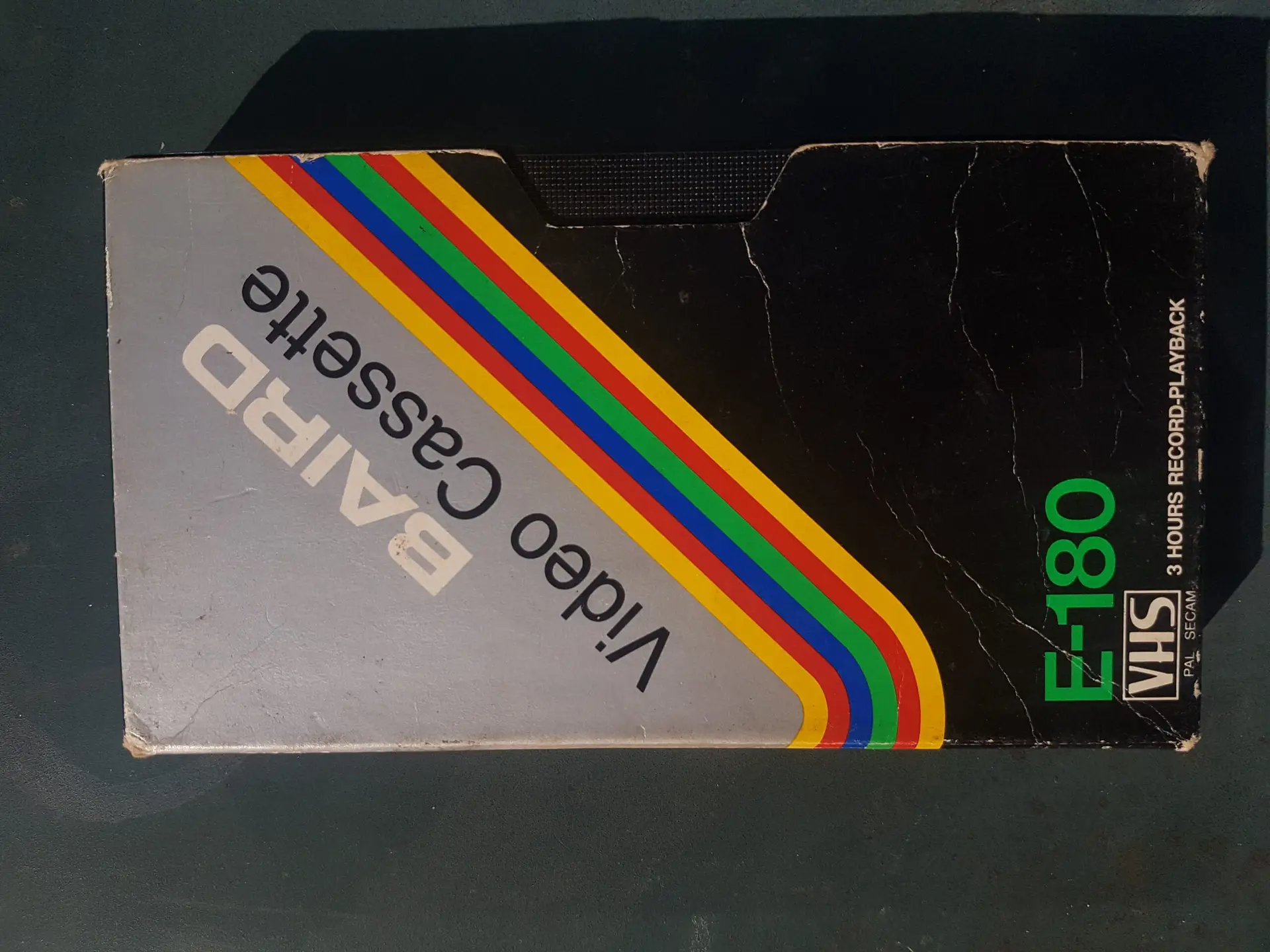
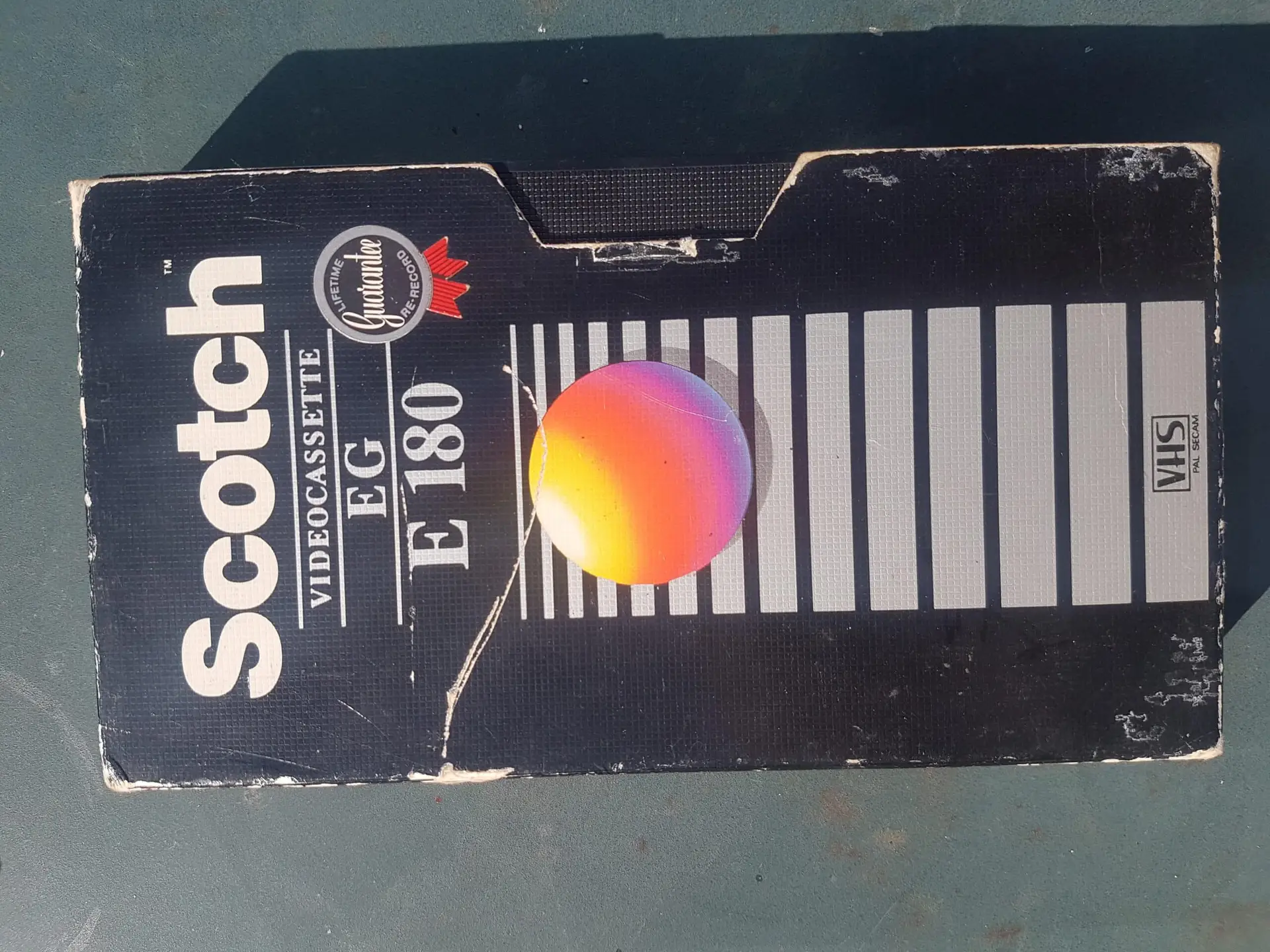
DVD became popular as families moved from bulky video tapes to compact discs and sharper playback.
© Image by Supaphoto
The Short Answer: When Did DVD Take Over From VHS?
DVD became popular in the UK around the early 2000s. It did not replace VHS overnight. Instead, households often owned both a DVD player and a VHS recorder for several years.
The DVD format first appeared commercially in the mid-1990s, with wider adoption growing from the late 1990s. By the early 2000s, DVD players had become much more affordable, rental shops stocked more discs, supermarkets sold low-cost films, and new releases increasingly arrived on DVD.
The British Film Institute describes its archive work as preserving and making film and television accessible for future audiences, which is exactly why format changes matter: every generation has to find new ways to keep older recordings watchable.
Why DVD Became Popular So Quickly
DVD offered clear advantages over VHS. It felt modern, compact and easy to use.
Better Picture Quality
DVD gave viewers a sharper and more stable image than VHS. There was no tracking adjustment, no tape wobble and no gradual picture wear from normal playback.
Better Sound
DVD supported improved audio compared with standard VHS. For film fans, this helped create a more cinematic home viewing experience.
No Rewinding
Anyone who rented VHS tapes remembers the phrase “please rewind”. DVD removed that problem completely.
Scene Selection
DVD menus allowed viewers to jump straight to a scene, episode or extra feature.
Bonus Features
Director commentaries, deleted scenes, trailers, documentaries and behind-the-scenes features became part of the DVD experience.
Smaller Storage
DVD cases took up less room than VHS tapes, making them easier to store and display.
Why VHS Did Not Disappear Immediately
Although DVD became popular quickly, VHS remained useful for several reasons.
Many households still used VHS to record television. Early DVD players could play films, but they did not usually record TV in the simple way a VCR could. DVD recorders arrived later, but many people kept their VHS machines because they were familiar and practical.
VHS also remained common because families already owned large collections of tapes. Children’s films, home videos, recorded programmes and camcorder copies were often still on VHS.
For several years, a typical UK home might have had:
- a VHS recorder for recording television
- a DVD player for films
- a growing DVD collection
- old home videos stored in cupboards
- blank tapes for TV programmes
- camcorder tapes waiting to be copied
This overlap is important. The arrival of DVD changed how people watched films, but it did not instantly solve the problem of old family recordings.
Expert Insight
The BFI National Archive preserves film and television because formats change. Families face the same issue on a smaller scale: tapes, discs and devices all age, so access needs planning.
DVD Versus VHS: What Was Better?
Picture
DVD was generally sharper, cleaner and more stable. VHS could look soft, fuzzy or unstable, especially after repeated playback.
Sound
DVD offered better sound quality and more consistent playback.
Convenience
DVD was easier to navigate. You could skip chapters, pause cleanly and avoid rewinding.
Durability
DVDs did not wear out in the same way as magnetic tape during ordinary playback. However, discs could still scratch, crack or suffer from poor storage.
Recording
VHS had an advantage for everyday television recording until digital recorders, Sky+, Freeview recorders and later streaming changed viewing habits.
Family Footage
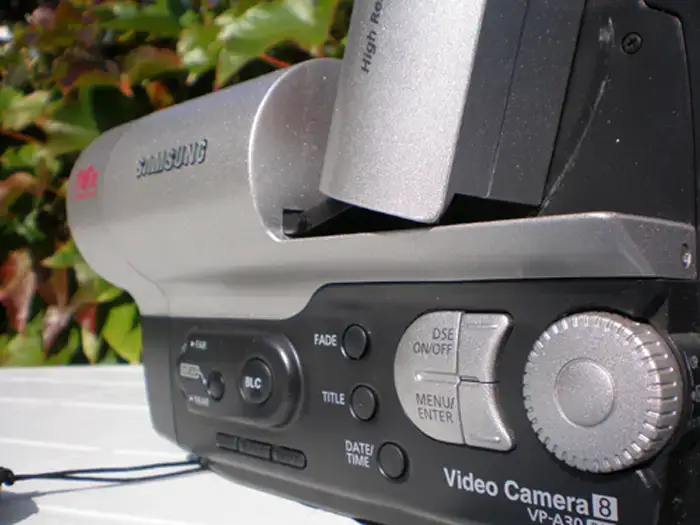
VHS remained vital for family memories because many camcorders and home recordings were already on tape.
A Simple Timeline: From VHS to DVD
1970s: VHS Arrives
VHS gave homes the ability to record programmes and watch tapes.
1980s: VHS Becomes Dominant
Video rental shops, home recording and family camcorders made VHS part of everyday life.
1990s: DVD Appears
DVD arrived internationally during the mid-to-late 1990s. Early players were expensive, but film fans quickly noticed the quality improvement.
Late 1990s: Early UK Adoption
DVD players started appearing in UK shops and homes. At first, they were a premium product.
Early 2000s: DVD Becomes Mainstream
Prices fell, discs became widely available, and DVD became the standard choice for new film releases.
Mid-to-Late 2000s: Digital Viewing Expands
DVD remained popular, but digital TV recorders, downloads, Blu-ray and streaming began changing habits again.
2010s and Beyond: Streaming Takes Over
DVD continued to be used, especially by collectors and families, but streaming became the everyday choice for many viewers.
Why DVD Felt Like a Big Upgrade
DVD did more than improve quality. It changed expectations.
Viewers began expecting menus, extras, subtitles, widescreen versions and better home cinema sound. Film collections became more compact and easier to browse. Box sets became popular because an entire series could fit neatly on a shelf.
For people who had grown up with VHS, the difference felt dramatic. No rewinding, cleaner pictures and instant scene access made DVD feel like the future.
The BBC and other broadcasters also moved through major format changes during this period, from analogue broadcasting towards digital access and online viewing. The lesson is clear: home entertainment keeps changing, but older recordings need active preservation if they are to remain accessible.
What Happened to VHS After DVD Became Popular?
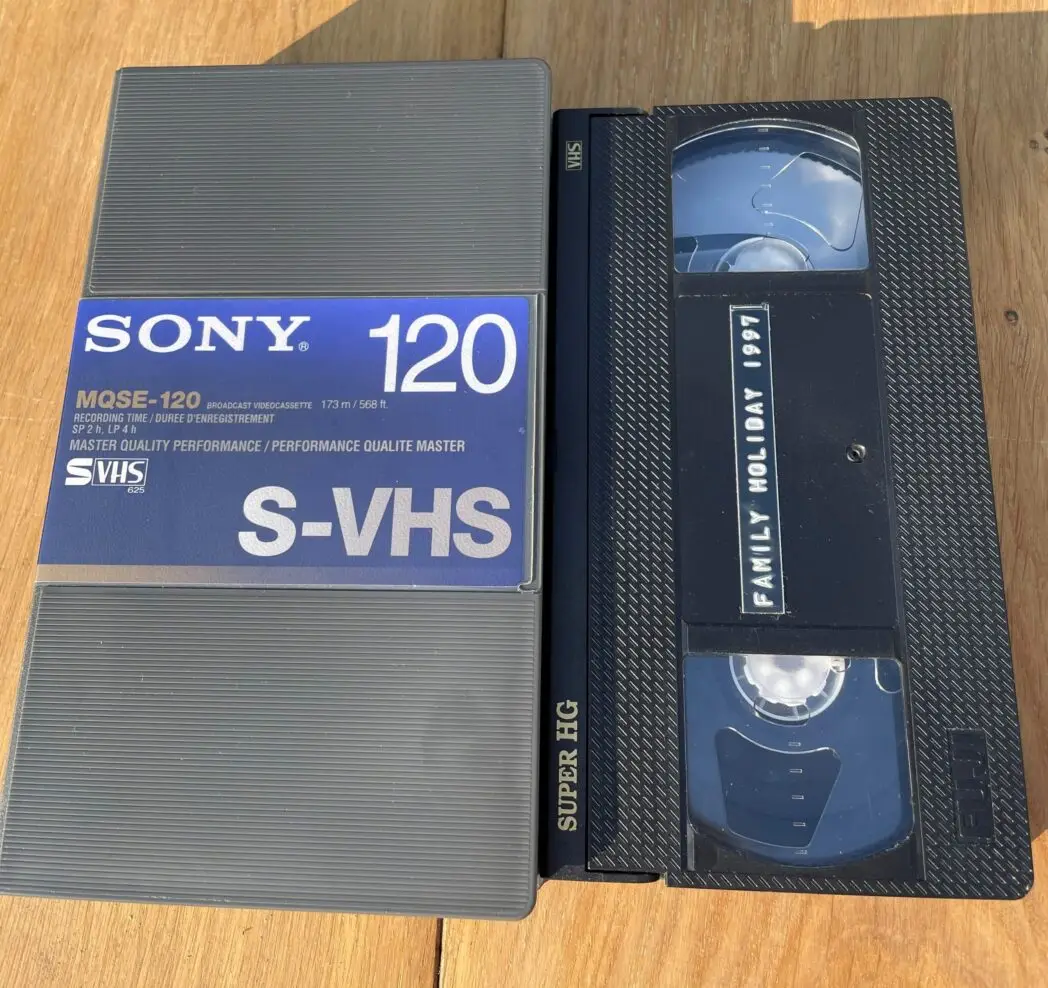
VHS slowly moved from everyday use to storage boxes, lofts and cupboards. Many people stopped watching tapes but kept them because they contained personal memories.
Those tapes may include:
- weddings
- birthdays
- holidays
- school plays
- christenings
- family Christmases
- television appearances
- camcorder footage
- old children’s programmes recorded at home
The problem is that VHS is magnetic tape. It can deteriorate, grow mould, stretch, crease or become difficult to play. VHS players are also ageing and harder to replace.
Supaphoto’s video preservation specialists help families identify, inspect and convert old recordings before tapes and playback equipment become a bigger problem.
Should You Convert VHS to DVD in 2026?
VHS to DVD can still be useful, especially if you or a relative prefers using a DVD player. DVDs are simple to label, store and post, and many older family members find them familiar.
However, DVD is no longer the only option. Many people now choose digital files or USB copies because they are easier to back up and share.
VHS to DVD
Best for simple playback on a DVD player.
VHS to USB
Best for watching on many modern TVs and computers.
VHS to Digital Files
Best for sharing, editing, organising and long-term backup.
If you want a practical modern copy, Supaphoto can convert old VHS recordings into digital files for easier viewing and family sharing.
DIY VHS to DVD or Digital Transfer
DIY transfer is possible, but it takes time, equipment and care.
You may need:
- a working VHS player
- a DVD recorder or capture device
- suitable cables
- blank discs or storage
- software if using a computer
- time to capture the tape in real time
A two-hour tape takes at least two hours to transfer. You also need extra time to test the machine, check the recording, label the disc or file and make backups.
Common DIY Problems
- no sound
- wrong picture shape
- black and white image
- poor tracking
- dropped frames
- damaged tape
- mould contamination
- scratched blank discs
- files saved in awkward formats
DIY may be fine for non-essential tapes, but family recordings deserve caution.
Expert Insight
The National Archives advises identifying video formats and considering playback risks before transfer. If a tape is mouldy, damaged or unique, avoid repeated testing at home.
Why Many Families Use a Professional Transfer Service
A professional transfer service can reduce risk and save time. It also helps when tapes are damaged, mouldy or emotionally important.
Supaphoto Ltd works from a dedicated UK studio with experienced technicians, professional inspection, careful handling of originals, order tracking, specialist equipment and quality assurance. Where appropriate, tapes can be assessed for repair or mould treatment before transfer.
For families, the main value is not the tape itself. It is the recording: the voices, faces, homes, holidays and moments that cannot be recreated.
Project Ideas After Converting VHS
| Project idea | What you can create | Best format |
|---|---|---|
| Family archive | Organised folders by year or event | Digital files |
| DVD gift set | Simple viewing copies for relatives | DVD |
| Birthday montage | Childhood clips edited into a short film | MP4 |
| Wedding anniversary | Preserved wedding footage | USB or DVD |
| Care home viewing | Easy copies for older relatives | DVD or USB |
| Memory box | USB with videos, photos and notes | USB |
| Private sharing | Clips for family groups | MP4 |
For creative ways to bring old recordings back into family life, Supaphoto’s inspiration section offers practical ideas for using preserved memories.
FAQs About When DVD Became Popular
When did the DVD become popular in the UK?
DVD became popular in the UK in the early 2000s, after launching more widely in the late 1990s.
When did DVD replace VHS?
DVD gradually replaced VHS during the early 2000s, although many homes kept VHS recorders for TV recording and old tapes.
Why did DVD replace VHS?
DVD offered better picture, better sound, scene selection, bonus features, smaller storage and no rewinding.
Was DVD better than VHS?
For film playback, yes. DVD was cleaner, sharper and more convenient. VHS remained useful for recording television and playing old family tapes.
Can VHS still be transferred to DVD?
Yes. VHS tapes can usually be transferred to DVD if they are still playable, although digital files and USB copies are often more flexible.
Should I choose DVD or digital files?
DVD is good for simple playback. Digital files are better for sharing, backing up and long-term access.
Conclusion
DVD became popular in the UK in the early 2000s because it offered better quality, easier navigation and a more modern home viewing experience than VHS. But the shift from VHS to DVD left many families with boxes of old tapes that were never transferred.
If those tapes contain family memories, now is the time to preserve them before the cassette or player fails.
Newsletter sign-up: Join the Supaphoto newsletter for practical tips on preserving old tapes, photos and family memories.
Request a quotation: Ask Supaphoto for a quote if you would like VHS tapes inspected and converted to DVD, USB or digital files.
Social media share or follow: Share this guide with someone who remembers the move from VHS to DVD, or follow Supaphoto for more preservation advice.