
Video Cassettes: What To Do With Old Tapes in 2026
Video cassettes are magnetic tape recordings used for VHS, VHS-C, S-VHS and camcorder footage, often containing family memories that may now be fragile or hard to play.
- Check old video cassettes before throwing anything away.
- Separate family recordings from films and blank tapes.
- Digitise important tapes before they deteriorate further.
- Do not play mouldy or damaged cassettes in a home machine.
- Donate, sell or recycle unwanted tapes responsibly.
- Keep digital backups in more than one place.
Why Old Video Cassettes Still Matter
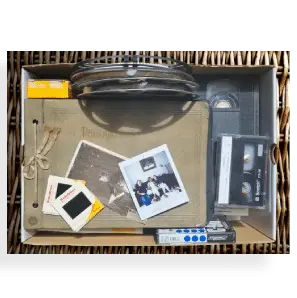
Many UK households still have boxes of video cassettes in lofts, cupboards, garages and spare rooms. Some are commercial films. Others are camcorder tapes, wedding videos, school plays, birthday parties, holidays, christenings or recordings of relatives who may no longer be here.
That difference matters. A common film on VHS may have little value, but a family recording can be irreplaceable.
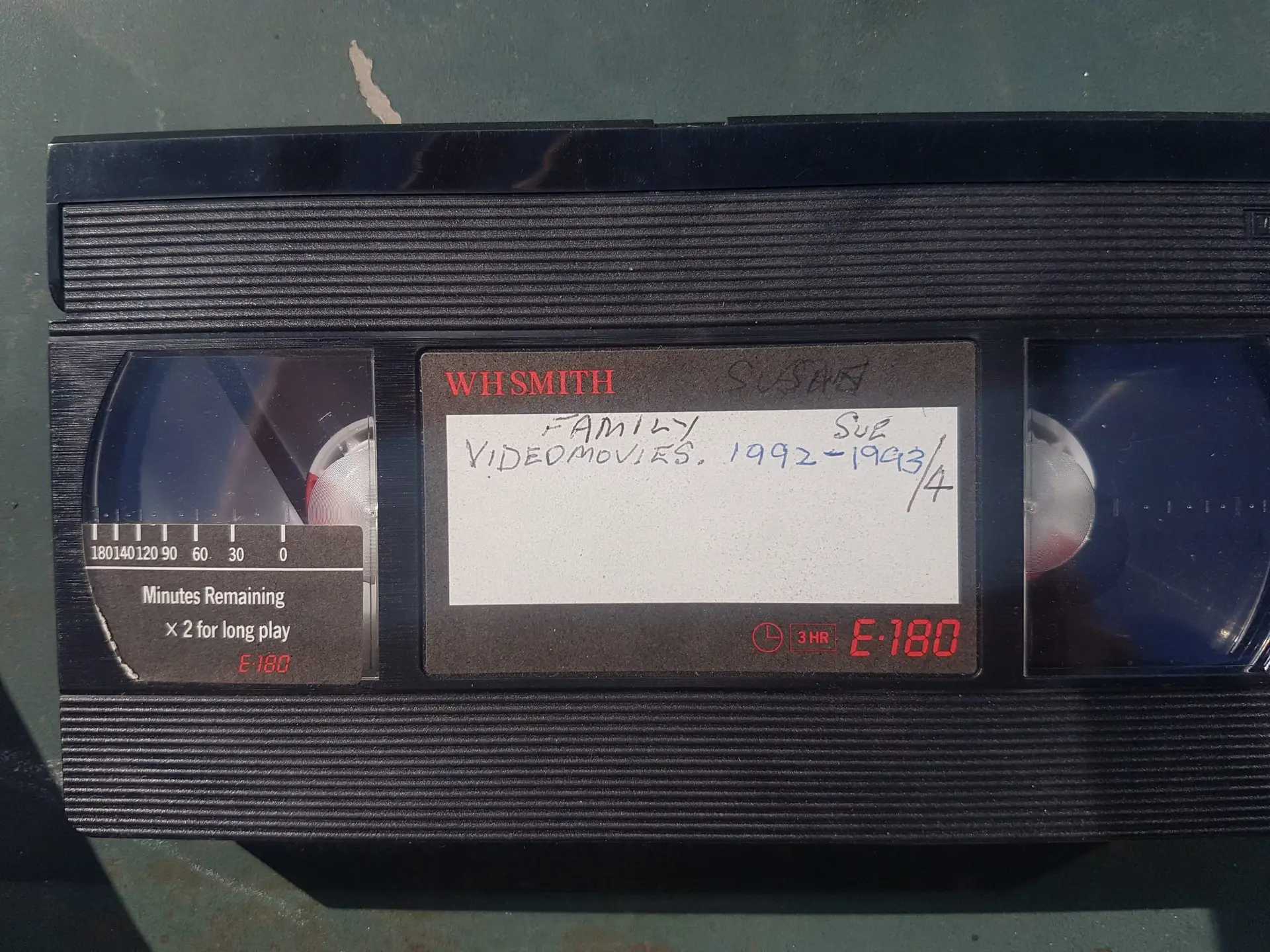
Before you clear out old tapes, sort them carefully. Look for handwritten labels such as “Christmas 1994”, “Mum’s birthday”, “wedding”, “kids”, “holiday” or “camcorder”. These are the tapes to protect first.
What Types of Video Cassettes Might You Have?
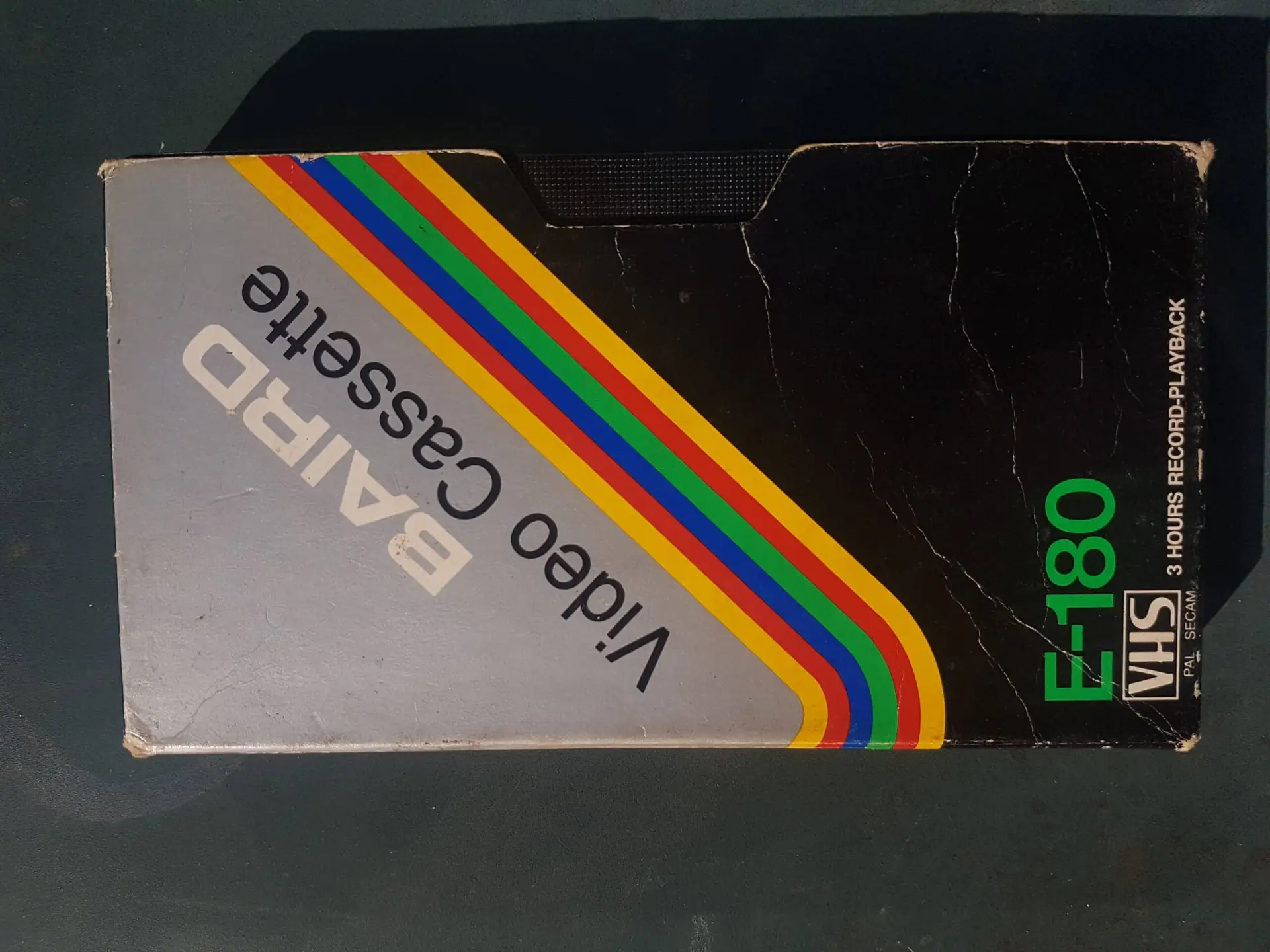
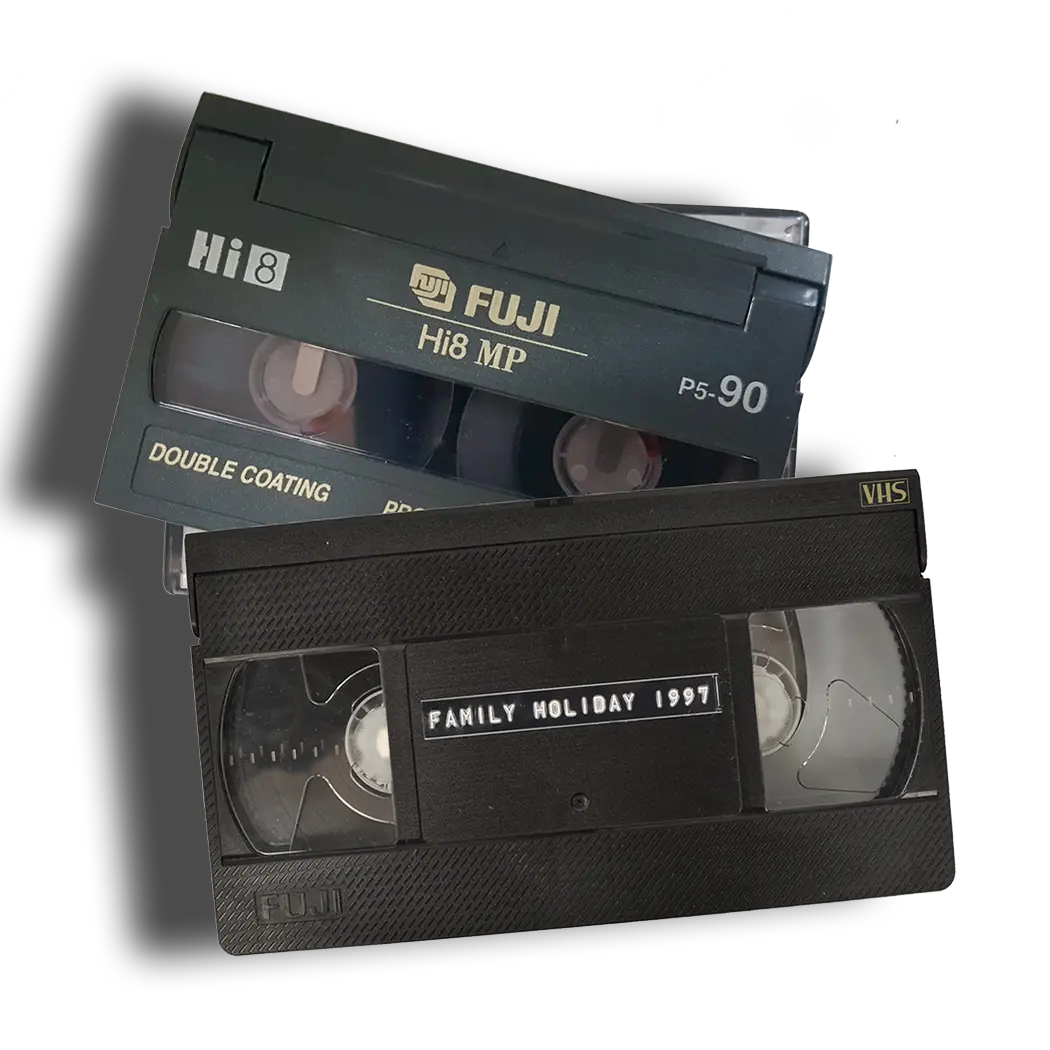
VHS
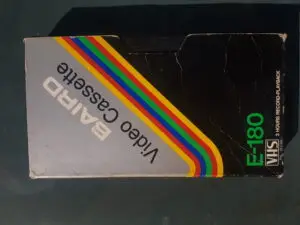
The standard full-size home video cassette used for films, television recordings and family videos.
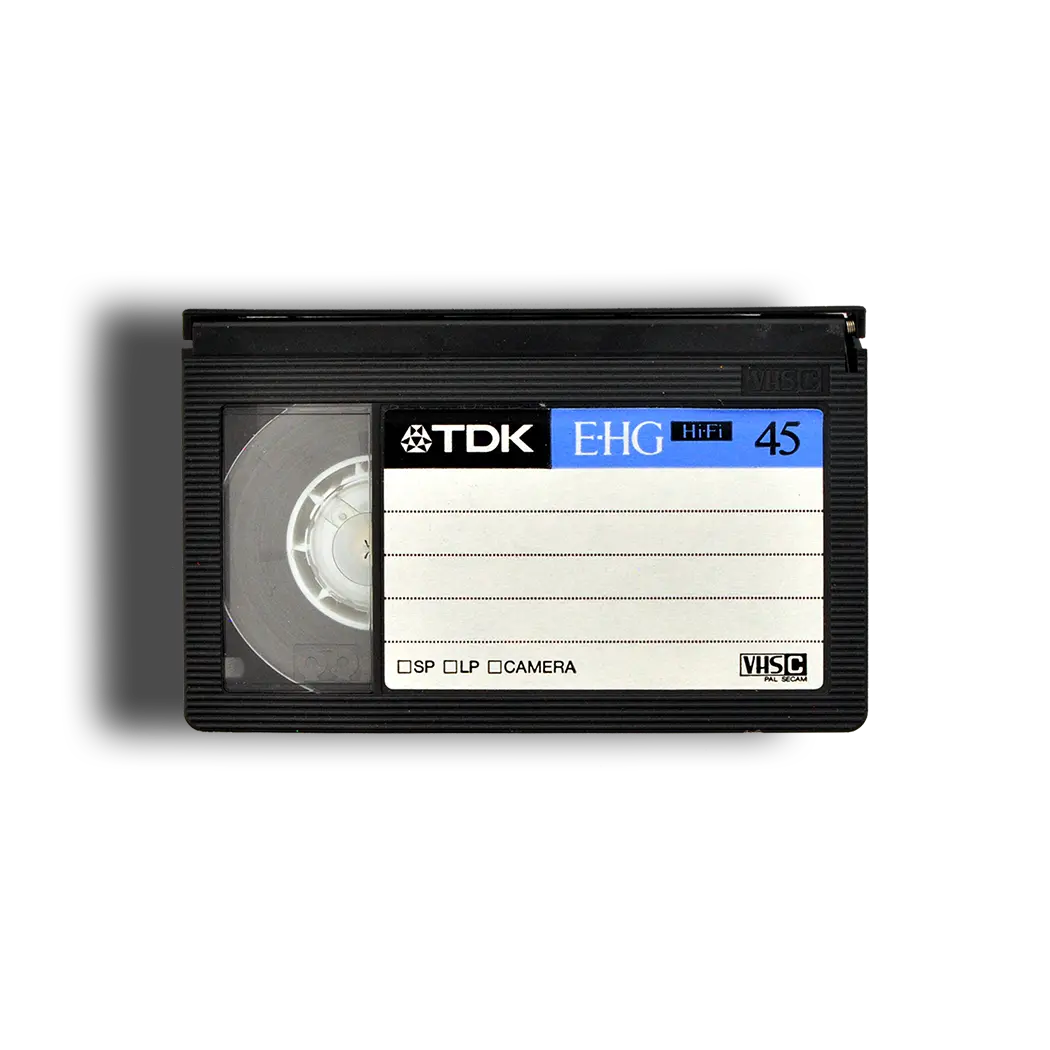
VHS-C
A smaller compact VHS tape often used in camcorders. These usually need specialist handling or an adaptor.
S-VHS
A higher-quality version of VHS, sometimes used by enthusiasts, schools, clubs and semi-professional users.
Other Camcorder Tapes
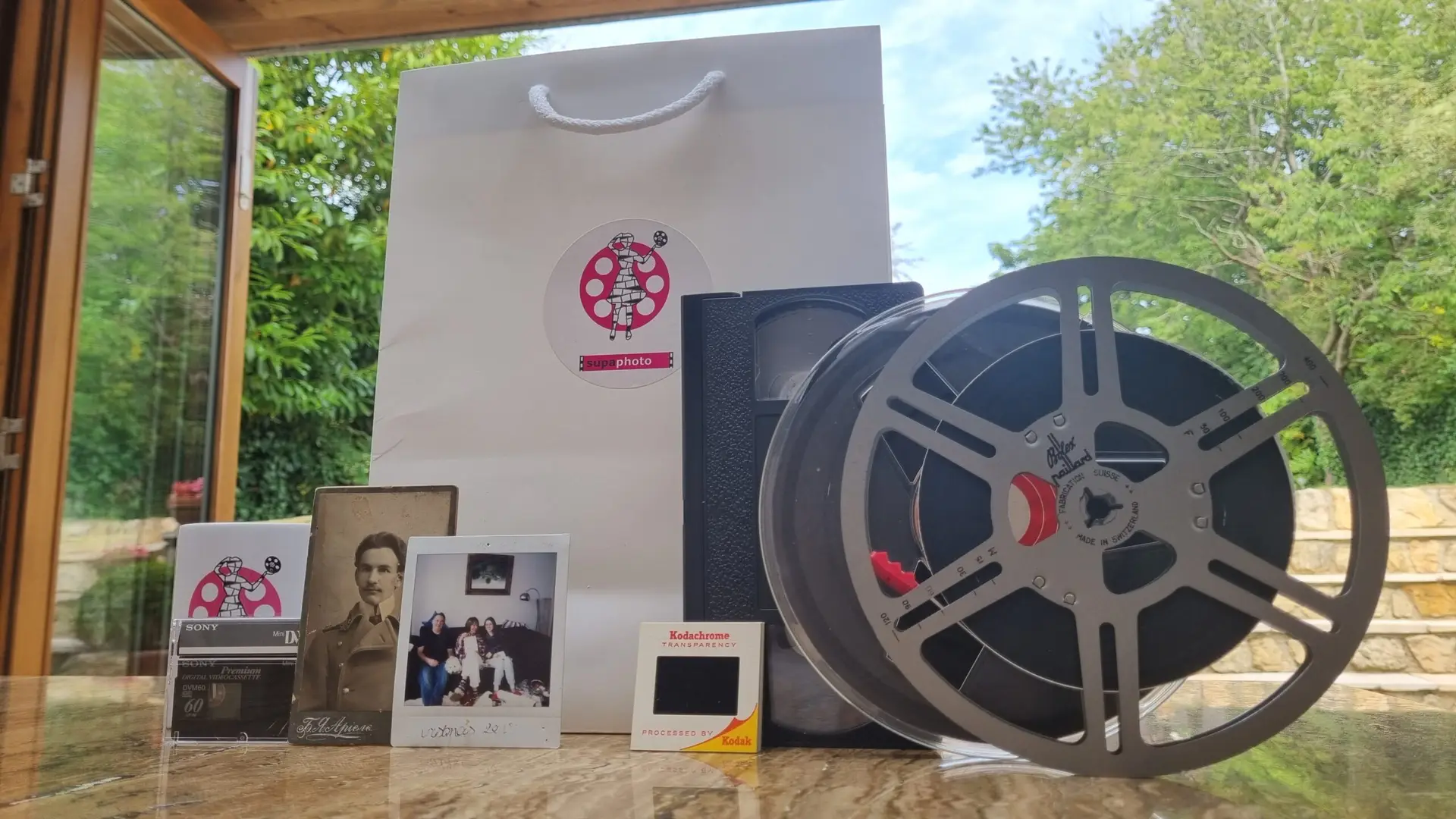
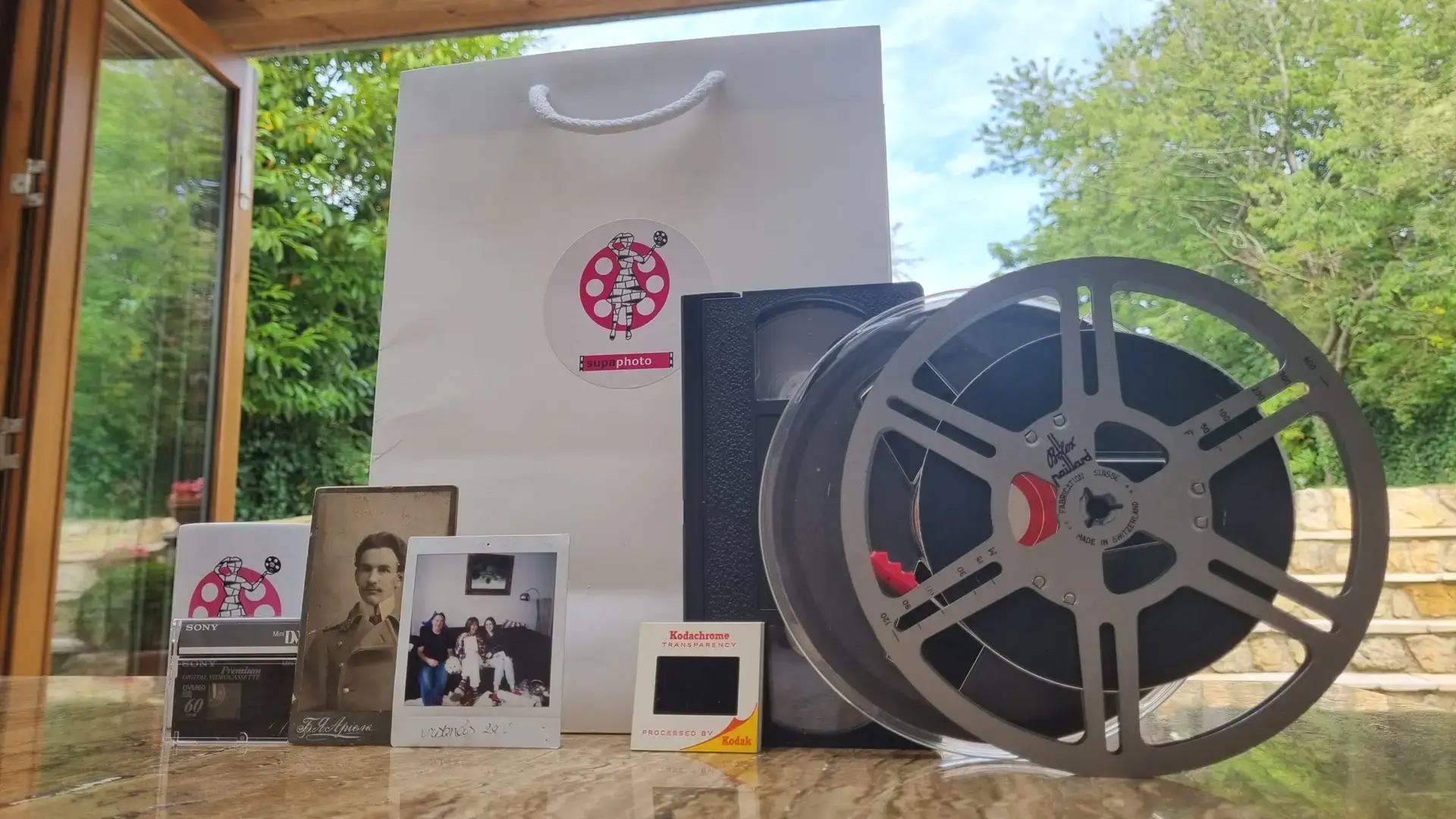
Some tapes are not VHS at all. Video8, Hi8, Digital8, MiniDV and MicroMV are often found in family collections.
If you are unsure what you have, Supaphoto’s video preservation specialists can help identify old formats before transfer.
Check the Condition Before Playing
Do not rush to put an old cassette into a VHS player. Ageing tapes can be fragile, and old machines can damage them.
Check for:
- white, grey or powdery mould
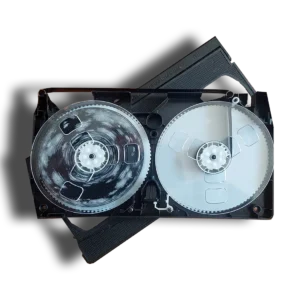
- cracked cassette shells
- loose or tangled tape
- damp smell
- warped plastic
- missing labels
- signs of water damage
- tape that looks uneven through the window
If you see mould, do not play the cassette. Mould can contaminate the player and spread to other tapes.
Expert Insight
Archive guidance from organisations such as the British Film Institute stresses careful handling before playback. With old video cassettes, inspection should come before testing, especially if the footage is unique.
Option 1: Digitise Important Video Cassettes
Digitising means transferring the recording from tape to a modern format such as DVD, USB or digital files. This is usually the best option for family recordings.
Digital copies are easier to:
- watch on modern devices
- share with relatives
- back up
- organise by date or event
- edit into family films
- preserve without repeatedly playing the original tape
Supaphoto can convert old VHS recordings into digital files so they are easier to watch, copy and protect.
VHS to DVD, VHS to USB or Digital Files?
VHS to DVD
DVD is useful for simple playback, especially for relatives who still use a DVD player.
VHS to USB
USB is convenient for many modern televisions, laptops and computers.
VHS to Digital
Digital files are usually the most flexible choice. They can be copied, backed up, shared and stored in organised folders.
Many families choose more than one option: digital files for long-term access and a DVD or USB copy for easy viewing.
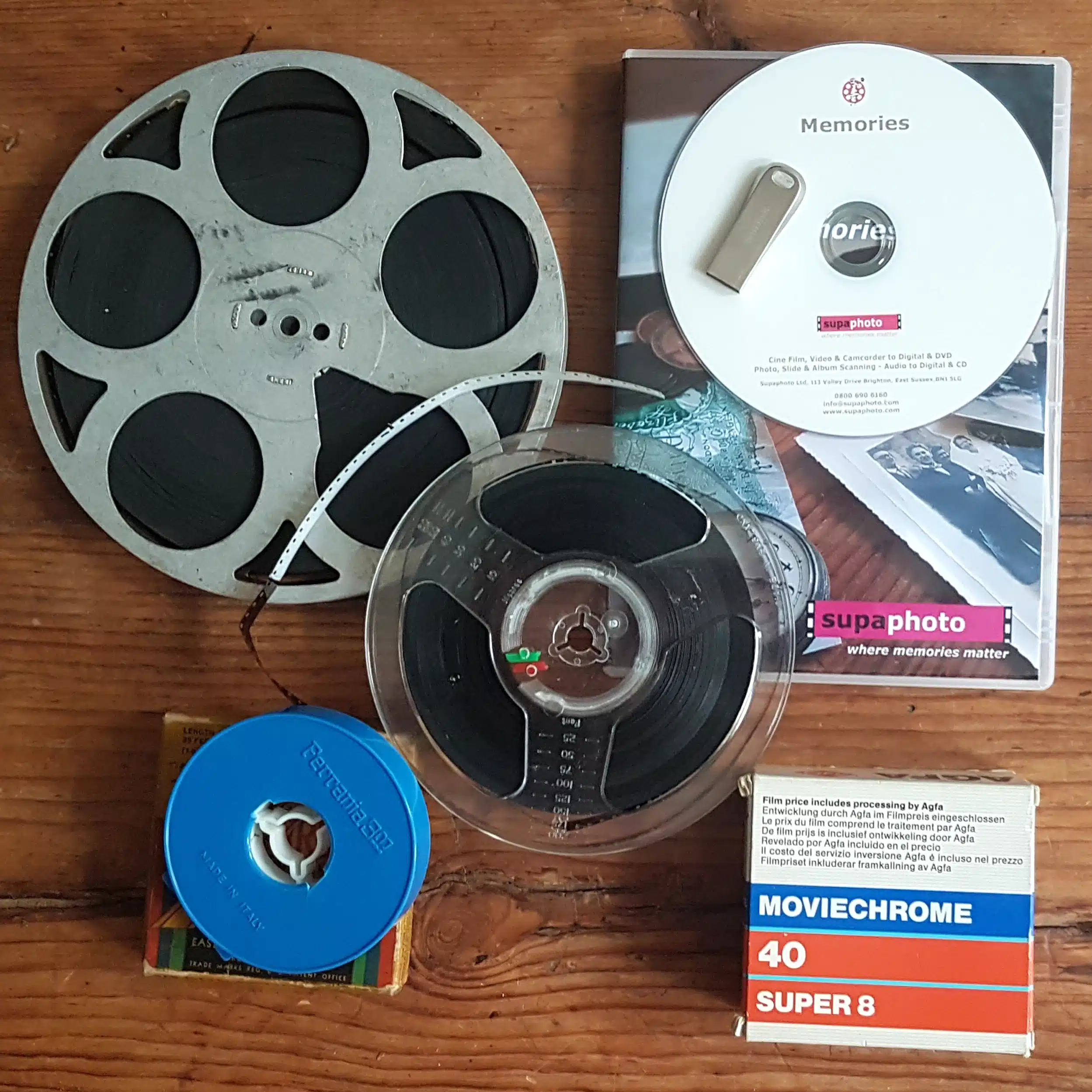
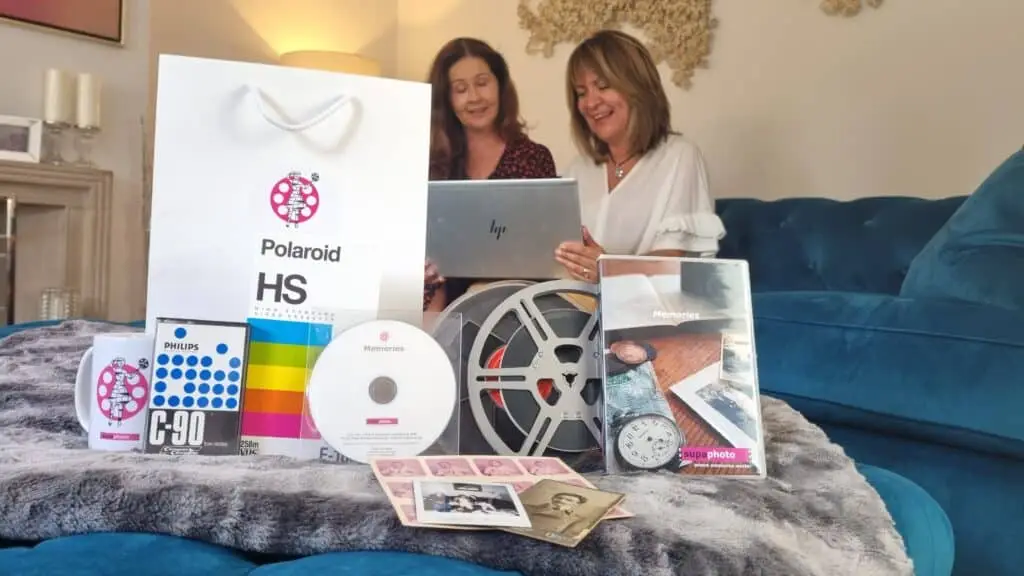
Digitising video cassettes gives families more ways to watch, share and preserve old recordings.
© Image by Supaphoto
Option 2: Keep the Originals Safely
Even after digitising, keep important original tapes if you have space. Store them:
- upright like books
- in dry rooms
- away from lofts and sheds
- away from direct sunlight
- away from radiators
- in labelled cases
- away from damp and mould
Original tapes can still matter. They are the source material, and future technology may recover more from them than today’s equipment can.
Option 3: Sell Collectable Video Cassettes
Some commercial VHS tapes have collector interest, but most common tapes are not worth much.
Tapes more likely to sell include:
- sealed VHS films
- rare horror releases
- cult films
- pre-certification tapes
- music videos
- wrestling tapes
- limited editions
- unusual children’s titles
- niche foreign releases
Check sold listings rather than asking prices. A tape listed for a high price has not necessarily sold for that amount.
Do not sell home-recorded TV broadcasts or private family recordings. Copyright and privacy issues may apply.
Option 4: Donate Usable Tapes
Some charity shops no longer accept video cassettes, but others may take selected tapes if they are clean, labelled and in good condition.
Always ask first. Do not leave boxes outside a shop.
Other donation options include:
- local reuse groups
- community theatres
- art departments
- schools or colleges for craft projects
- nostalgia collectors
- Freecycle or Freegle groups
Commercial tapes are easier to donate than unlabelled home recordings.
Option 5: Recycle or Dispose of Tapes Responsibly
Video cassettes are awkward to recycle because they contain mixed materials: plastic shells, screws, labels and magnetic tape.
Do not assume your kerbside recycling accepts them. Check your local council’s waste guidance first through GOV.UK local recycling information.
If recycling is not available, dispose of unwanted tapes responsibly through your local waste service. Before doing so, remove any private family recordings you may want to preserve.
DIY Digitisation: Is It Worth Doing Yourself?
You can digitise video cassettes yourself, but it takes time, patience and working equipment.
For VHS, you usually need:
- a reliable VHS player
- correct cables
- a capture device
- computer software
- storage space
- time to monitor the transfer
The transfer happens in real time. A three-hour tape takes at least three hours to capture, plus setup and checking.
Common DIY problems include:
- no sound
- poor tracking
- black and white picture
- wrong aspect ratio
- dropped frames
- audio out of sync
- over-compressed files
- tape damage from old machines
- mould contamination
DIY can be fine for non-essential tapes, but fragile or important family recordings deserve more care.
Why Many Families Choose Professional Transfer
Professional digitisation is often the safer option when tapes are important, damaged, mouldy or hard to identify.
Supaphoto Ltd works from a dedicated UK studio with experienced technicians, professional inspection, careful handling of originals, order tracking, specialist equipment, quality assurance and mould treatment where appropriate.
This matters because old video cassettes are physical objects. They can snap, crease, shed, stick or become contaminated. A professional inspection helps reduce risk before playback.
Expert Insight
The National Archives highlights the importance of format identification in video preservation. Do not assume every small cassette is VHS-C; it may be Video8, Hi8, Digital8 or MiniDV.
How to Sort a Box of Old Video Cassettes
Step 1: Make Four Piles
Create piles for:
- definitely keep and digitise
- check later
- commercial films
- unwanted or damaged tapes
Step 2: Photograph Labels
Take photos of handwritten labels before moving tapes around. Labels can fall off or become separated from cases.
Step 3: Do Not Play Unknown Tapes First
Start by identifying them visually. If they look mouldy or damaged, stop.
Step 4: Prioritise Family Recordings
Digitise the tapes that contain unique memories before worrying about commercial films.
Step 5: Back Up Finished Files
Keep at least two copies of important digital videos in different places.
What Can You Do After Digitising Video Cassettes?
| Project idea | What you can create | Best format |
|---|---|---|
| Family archive | Folders by year, person or event | Digital files |
| Birthday gift | Childhood clips edited into a short film | MP4 |
| Wedding anniversary | Preserved wedding footage | USB or DVD |
| Memory box | USB with videos, photos and notes | USB |
| Care home viewing | Simple copy for older relatives | DVD or USB |
| Family history project | Combine videos with scanned photos | Digital archive |
| Private sharing | Short clips for family groups | MP4 |
For more creative ways to enjoy old recordings again, Supaphoto’s inspiration section offers practical family memory ideas.
FAQs About Video Cassettes
What should I do with old video cassettes?
Check them first, separate family recordings from commercial tapes, digitise important footage, then donate, sell or recycle unwanted cassettes responsibly.
Are old VHS tapes worth money?
Most common VHS tapes have little value. Rare, sealed, cult, horror, music or unusual editions may interest collectors.
Can video cassettes be recycled?
Sometimes, but not always through kerbside recycling. Check your local council’s waste guidance before placing tapes in recycling.
Should I throw away home videos?
No. Check and digitise them first. Home videos may contain the only copy of important family memories.
Can mouldy video cassettes be saved?
Often they can be assessed, but do not play mouldy tapes in a home machine. They need specialist handling.
What is the best format for old video cassettes?
Digital files are usually the most flexible. DVD and USB copies can also be useful for simple viewing.
Conclusion
Video cassettes may look outdated, but many still contain valuable memories. Before selling, donating or recycling old tapes, check what is on them and prioritise anything personal.
Digitising important recordings gives you the best chance of keeping them watchable, shareable and protected as tapes and players continue to age.
Newsletter sign-up: Join the Supaphoto newsletter for practical advice on preserving old tapes, photos and family memories.
Request a quotation: Ask Supaphoto for a quote if you would like video cassettes inspected and converted to DVD, USB or digital files.
Social media share or follow: Share this guide with someone clearing out old tapes, or follow Supaphoto for more preservation tips.