
A professional Book Scanning Service should create clear, accurately ordered digital files without placing unnecessary strain on the binding, spine or pages. Before choosing a company, check how it supports fragile books, whether it provides OCR, which file formats it offers and how it quality-checks every completed scan.
Look for a provider that offers:
- Non-destructive scanning for bound volumes
- Specialist support for fragile or valuable books
- Searchable PDF and OCR options
- TIFF, JPEG and PDF output formats
- Page-order and image-quality checks
- Secure handling and safe return of originals
- A clear quotation based on the condition and complexity of the material
Why Digitise Books?
Books may contain information that exists nowhere else: handwritten family histories, company ledgers, local records, technical manuals, academic material, manuscripts or limited-edition publications.
Digitisation creates an accessible copy that you can view without repeatedly handling the original. It also makes it easier to share material with colleagues, relatives, researchers or members of the public.
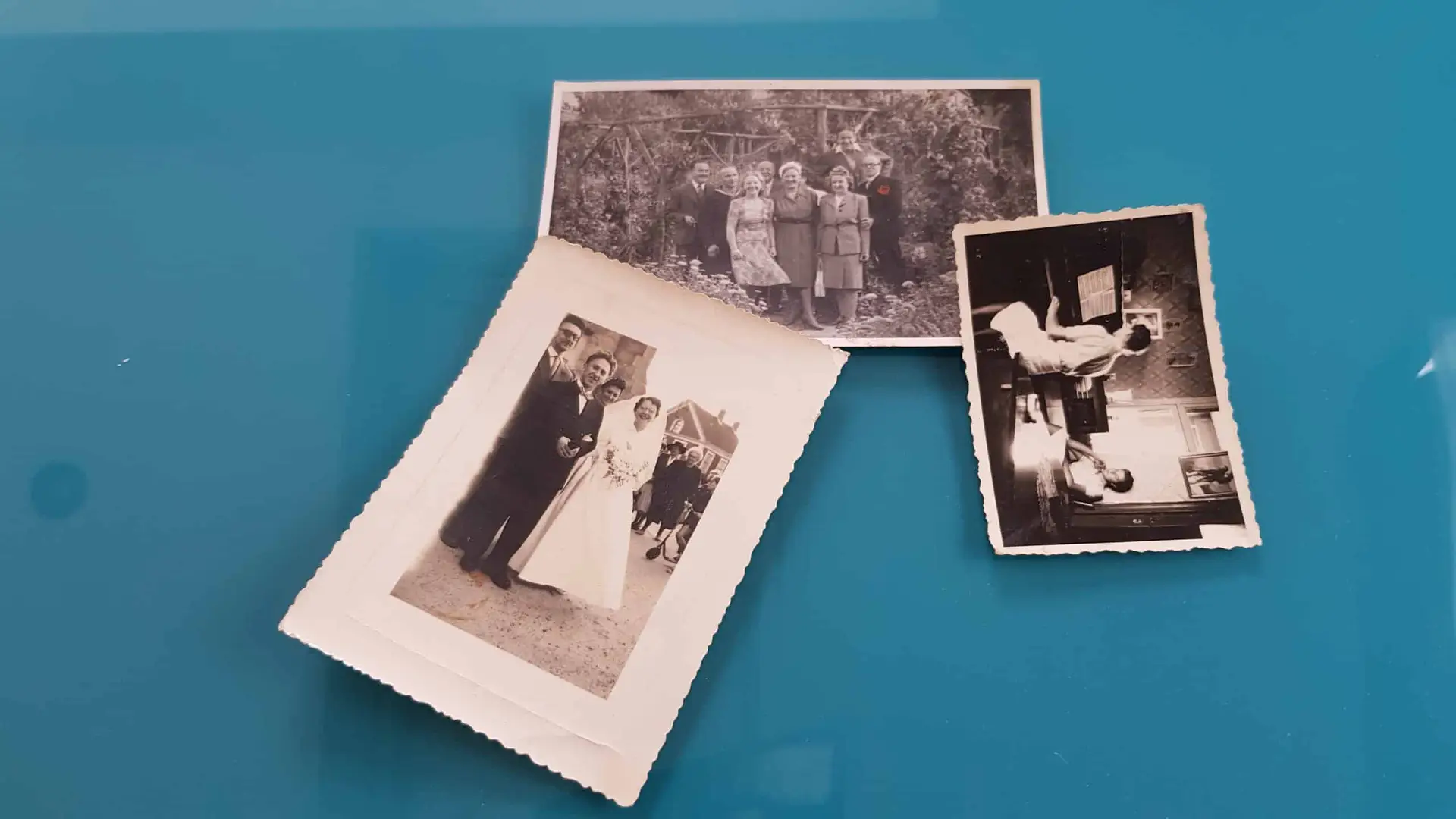
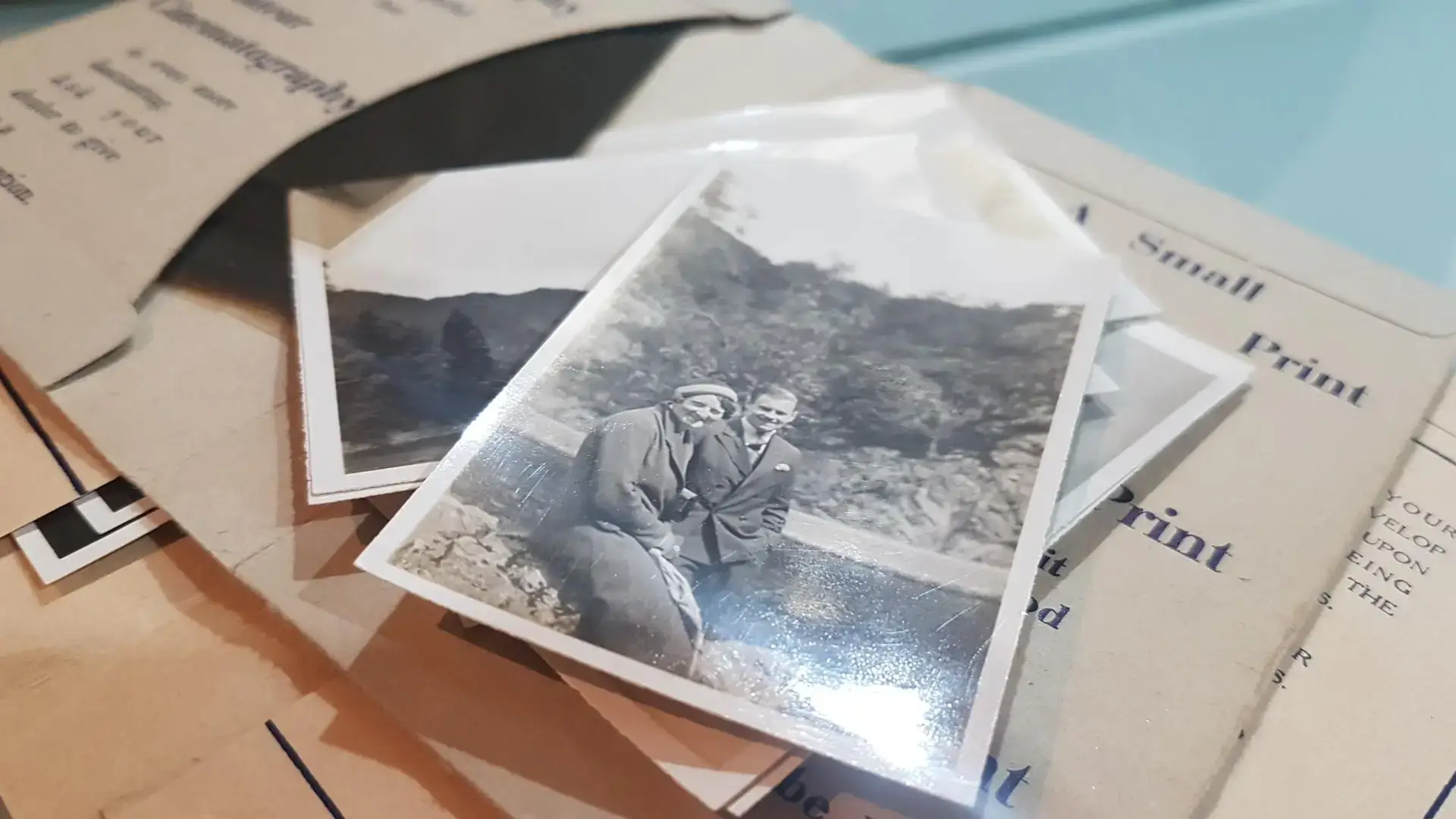
For institutions managing mixed collections, book digitisation can form part of a broader programme for preserving historic and organisational records. This may include documents, maps, newspapers, photographs and other bound material.
Digitisation does not automatically preserve information forever. Digital files still require organised storage, checking and backup procedures. The National Archives recommends active workflows for selecting, ingesting, preserving and providing access to digital records.
Destructive and Non-Destructive Book Scanning
The first major decision involves deciding whether you can take the book apart.
| Method | How it works | Best suited to |
|---|---|---|
| Non-destructive scanning | Pages are photographed or scanned while the book remains bound | Rare, valuable, sentimental or irreplaceable books |
| Destructive scanning | The binding is removed so individual pages can be fed through a scanner | Replaceable books where speed and lower cost are priorities |
| Flatbed scanning | Pages are placed against a glass surface | Durable, flexible books that open comfortably |
| Overhead scanning | Pages are captured from above, often using a cradle | Fragile, tightly bound or unusually sized volumes |
Never force a valuable book completely flat simply to produce a sharper image. A suitable cradle supports the volume at a safe opening angle and reduces pressure on the spine.
The National Archives uses specialist book rests, cradles and appropriate weights to minimise damage when digitising fragile records. It also identifies quality assurance as an essential stage of producing a dependable digital surrogate.
What Determines Scanning Quality?
Resolution matters, but it is only one part of image quality. A capable provider should also control:
- Focus and sharpness
- Colour accuracy
- Exposure and contrast
- Page curvature
- Cropping and borders
- Skewed or rotated pages
- Shadows near the binding
- Missing, duplicated or incorrectly ordered pages
Ask to see a representative sample before approving a large project. The sample should include ordinary pages and difficult material such as photographs, fold-outs, faint handwriting, coloured illustrations and text close to the gutter.
A professional bound-volume digitisation process should match the physical construction and condition of each item rather than apply one automated setting to every book.
OCR and Searchable Digital Books
Optical Character Recognition, commonly called OCR, converts an image of printed text into machine-readable text. It can allow users to search for names, dates, places or phrases within a digital book.
OCR tends to perform best on:
- Clear printed type
- Straight, evenly lit pages
- Consistent layouts
- Strong contrast between text and paper
Accuracy may fall when pages contain handwriting, decorative fonts, stains, faded print, unusual columns or severe page curvature. Ask whether the provider supplies searchable PDFs, editable text or both, and whether someone checks the OCR accuracy manually.
Choosing the Right Digital File Format
Choose the ideal output based on how you plan to use the files.
| Format | Typical use |
|---|---|
| TIFF | Preservation masters and high-quality archival copies |
| JPEG | Convenient viewing and smaller storage requirements |
| Complete books that are easy to browse and share | |
| Searchable PDF | Reading combined with keyword searching |
| Editable text | Reuse, transcription or republishing workflows |
For important collections, request high-quality master files alongside smaller access copies. Keep at least two backups in separate locations and use consistent filenames so pages and volumes remain in the correct sequence.
Copyright, Privacy and Security
Owning a physical book does not necessarily give you permission to reproduce, distribute or publish its contents. Before making scanned material publicly available, check whether copyright has expired, you have permission or a relevant exception applies.
The Government’s guidance on using copyright-protected material explains that you may need permission, ownership of the rights or a valid legal exception. Archives dealing with unidentified rights holders may also find The National Archives’ copyright guidance for collections useful.
Confidential books, registers and business records also require secure transport, controlled access and an agreed policy for deleting temporary working files.
Questions to Ask a Book Scanning Company
Before placing an order, ask:
- Will my books remain intact?
- What equipment will the company use?
- How will the company support fragile bindings?
- Can you capture fold-outs, covers and blank pages?
- Does the service include OCR, or will you pay for it separately?
- Which formats and resolutions will the company supply?
- How do you check page order and completeness?
- Where will the company carry out the work?
- How will the company protect your originals and digital files?
- Can I approve a sample before full production?
Frequently Asked Questions
Can you safely scan old and fragile books?
Yes, provided the scanner uses appropriate handling methods and equipment. Particularly delicate items may require an assessment before scanning begins.
Should you include blank pages?
Include them when they form part of the book’s structure, pagination or historical record. For ordinary modern books, they may be omitted by agreement.
Can handwritten books be made searchable?
Standard OCR is unreliable on many handwritten pages. Handwritten Text Recognition may help with suitable material, but manual transcription can still be necessary.
How long does book digitisation take?
Timescales depend on page count, condition, size, scanning method, OCR requirements and quality-control work. A careful non-destructive project usually takes longer than scanning loose pages.

Caring for Books Before and After Digitisation
Whether you’re preserving a single family heirloom or thousands of archive volumes, proper handling before and after scanning plays an important role in protecting the original material. Even the highest-quality digitisation cannot reverse damage caused by poor storage or careless handling.
Before sending books for scanning, avoid using sticky notes, paper clips or adhesive labels to mark pages, as these can leave permanent marks or cause tears. If you need to identify important sections, use acid-free paper slips placed loosely between the pages. Books should also be transported in sturdy boxes that prevent movement during transit and protect them from moisture and impact.
Once scanning has been completed, the original books should continue to be stored in a clean, dry and stable environment. Excessive heat, humidity and direct sunlight accelerate the deterioration of paper, leather and cloth bindings. Shelving books upright with adequate support and maintaining consistent environmental conditions will help extend their lifespan for many years.
The British Library’s guidance on caring for books and archival collections offers practical advice for anyone responsible for preserving valuable printed material, whether in a public collection or a private archive.
Why Experience Matters
Book scanning is a specialist discipline that combines imaging expertise with an understanding of book conservation. While many companies offer document scanning, relatively few have experience working with bound volumes that cannot simply be placed through an automatic sheet-feed scanner.
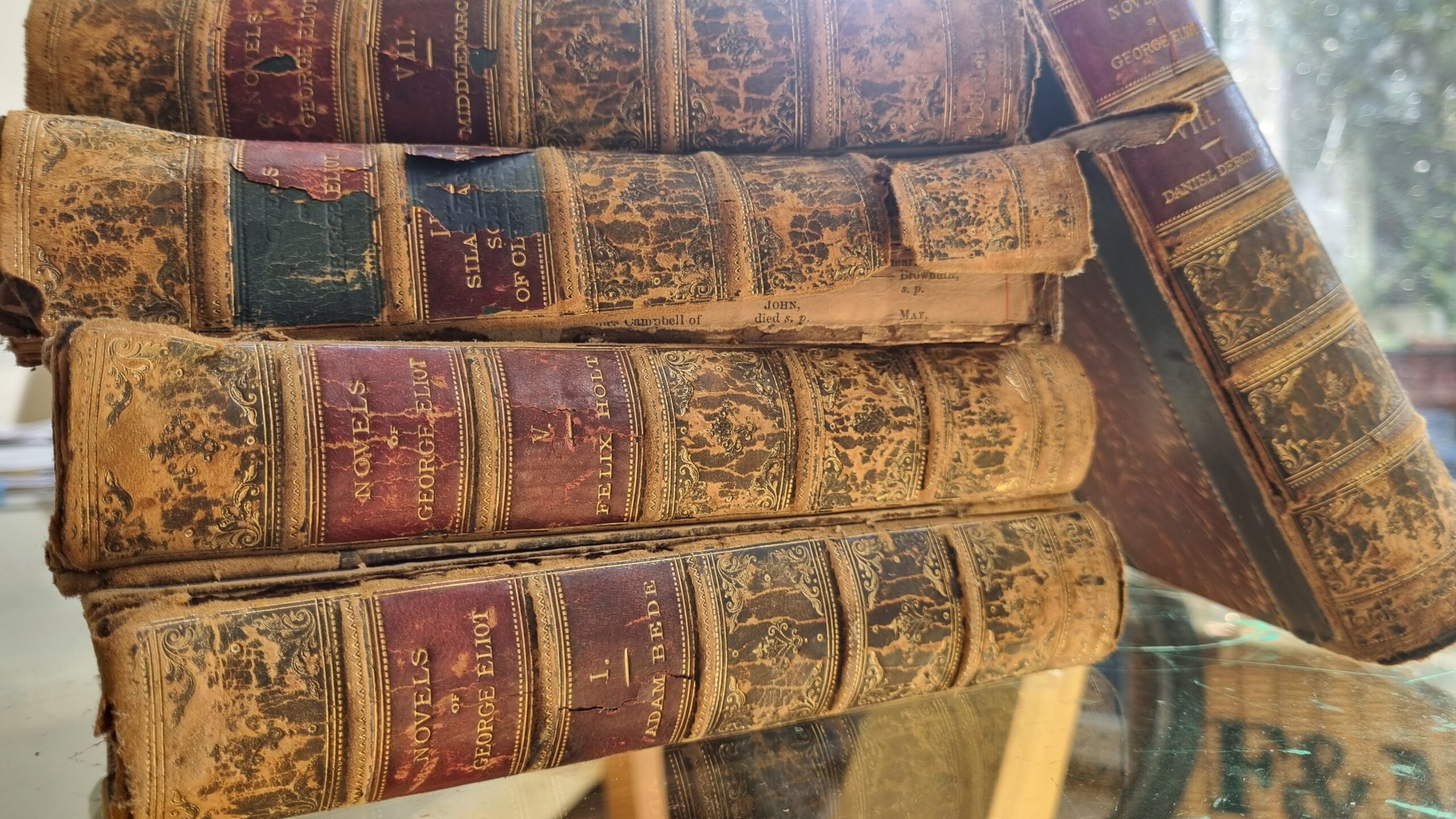
Experienced technicians recognise the differences between modern hardback books, tightly bound legal volumes, fragile nineteenth-century publications, handwritten manuscripts and oversized reference works. Each requires a different approach to minimise stress on the binding while still producing clear, consistent digital images.
A reputable scanning company should also have documented workflows covering image inspection, page sequencing, colour consistency and file verification before the project is delivered. These quality assurance procedures help ensure that missing pages, duplicate scans or incorrectly rotated images are identified before the customer receives the finished files.
Future-Proofing Your Digital Archive
Creating digital copies is only the first stage of preservation. To ensure files remain accessible in the future, organisations should adopt sensible digital archive management practices.
These include:
- Maintaining at least two backup copies in different physical locations.
- Keeping an untouched master copy alongside smaller working versions.
- Using clear and consistent file names.
- Recording basic metadata such as title, author, publication date and reference number.
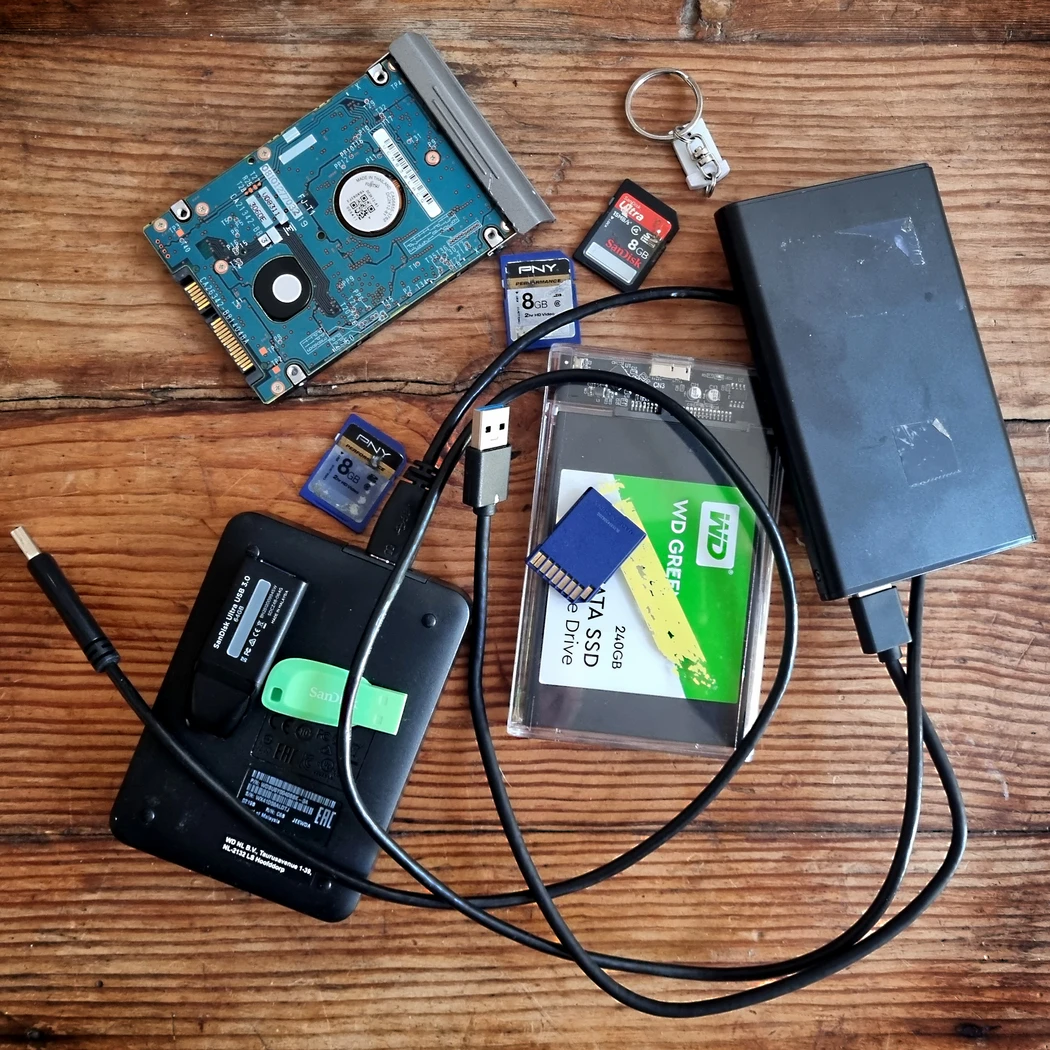
- Periodically checking that storage media remain readable and replacing ageing USB drives or hard disks before they fail.
A well-organised archive not only protects valuable information but also makes it significantly easier for staff, researchers and family members to locate the material they need. When combined with searchable PDFs and accurate indexing, professionally digitised books become a practical working resource rather than simply a collection of image files.
By investing in careful scanning, robust quality control and sensible digital preservation practices, you can ensure that valuable books continue to inform, educate and inspire future generations without placing unnecessary wear on the original volumes.
Making the Right Choice
Choosing a Book Scanning Service should not come down to price alone. The right company will explain how it protects bindings, captures difficult pages, checks every digital file and delivers formats suited to both present access and long-term preservation.
A carefully planned project creates more than a collection of page images. It produces a structured, accessible digital resource while respecting the physical book from which it was created.