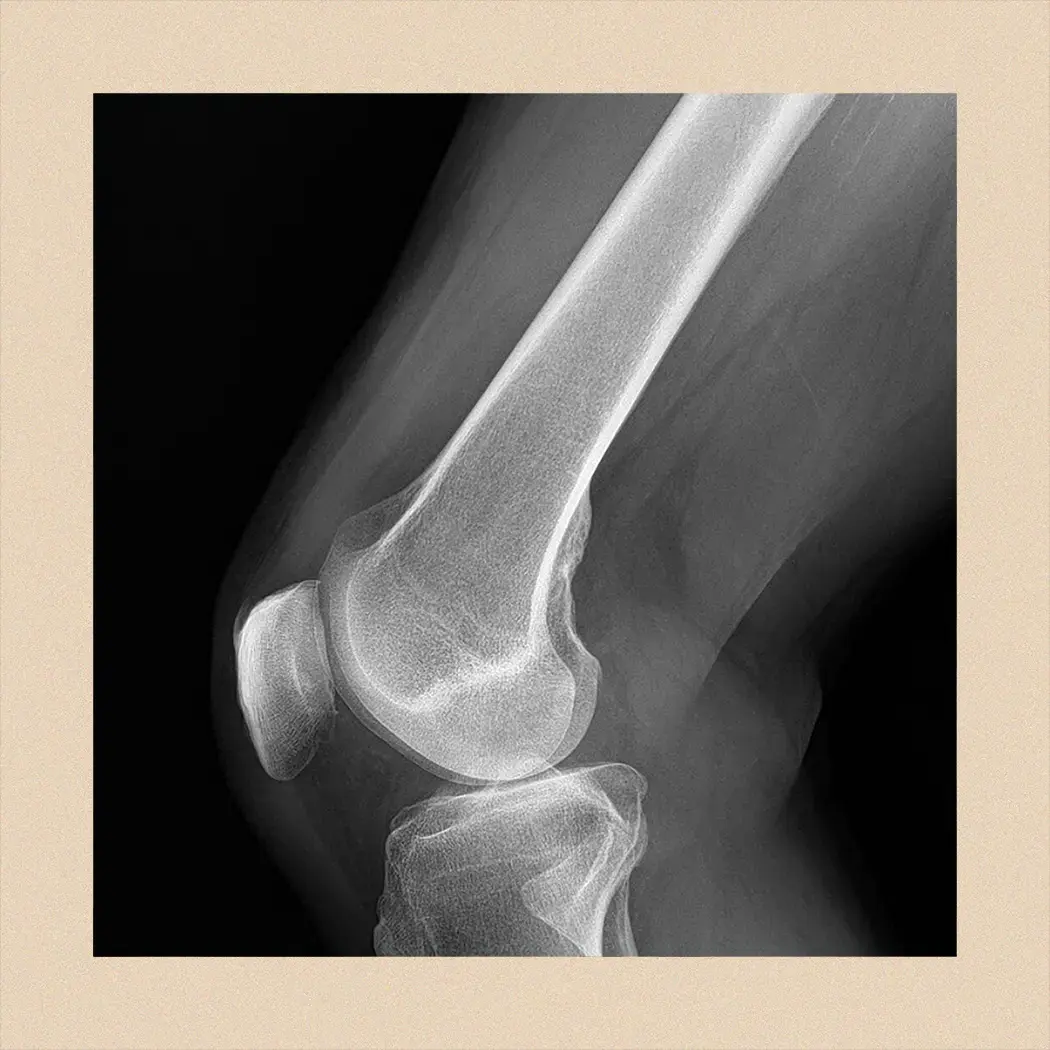

X Ray Scanning is a specialist digitisation process that converts X-ray films into high-quality digital images while preserving the diagnostic or historical information contained within them. Professional scanning improves accessibility, reduces physical storage requirements and helps safeguard important records for future use.
| If you need to… | A professional X Ray Scanning service can… |
|---|---|
| Preserve ageing X-rays | Create high-resolution digital master files |
| Improve accessibility | Produce files that are easy to view and share |
| Save storage space | Replace bulky film archives with digital records |
| Protect fragile originals | Minimise handling of deteriorating X-ray films |
| Organise collections | Create searchable digital archives with logical file names |
Why X Ray Scanning Remains Important
Although modern medical imaging is now almost entirely digital, millions of historic X-ray films remain stored in hospitals, veterinary practices, universities, museums, industrial archives and private collections.
These films often contain information that cannot easily be recreated. Medical records may have ongoing legal or research value, while industrial radiographs provide evidence of manufacturing processes, weld inspections and engineering quality control. Museums and archives may also hold X-ray images of artworks and archaeological artefacts that reveal hidden construction techniques or earlier restorations.
Digitising these films protects valuable information while making it far easier to retrieve, share and manage.
What Is X Ray Scanning?
Unlike ordinary document scanning, X Ray Scanning captures extremely fine tonal variations within transparent film.
Professional equipment uses transmitted light rather than reflected light, allowing subtle density changes within the film to be accurately reproduced. This is essential because important information often exists within very slight differences in contrast.
The result is a digital image that faithfully represents the original film while remaining suitable for viewing, archiving or further analysis.
Which Types of X-Rays Can Be Digitised?
An experienced provider can usually digitise many different forms of radiographic film, including:
- Medical X-rays
- Dental radiographs
- Veterinary X-rays
- Industrial radiographs
- Engineering inspection films
- Historic medical archives
- Scientific research films
- Museum conservation X-rays
Different film sizes and thicknesses often require different handling methods, making specialist equipment and experienced operators particularly important.
The Benefits of Professional X Ray Scanning
Choosing professional digitisation offers advantages that extend well beyond simply creating a digital copy.
Long-Term Preservation
Film naturally deteriorates over time. Scratches, dust, fading, moisture and poor storage conditions can gradually reduce image quality.
Creating high-quality digital master files helps preserve the information before further deterioration occurs.
Improved Accessibility
Searching through boxes of film can be extremely time consuming.
Once digitised, files can be organised into logical folder structures and quickly located using filenames or metadata.
This can significantly reduce retrieval times for archives containing thousands of films.
Easier Sharing
Digital files can be securely transferred between departments, researchers or authorised users without transporting fragile originals.
This reduces both handling and the risk of accidental damage.
Reduced Storage Requirements
Large film archives require considerable physical storage.
Digitisation allows organisations to reduce storage costs while maintaining continued access to important historical information. Decisions about retaining or disposing of original films should always consider legal, regulatory and historical requirements.
Image Quality Matters More Than Resolution
One of the biggest misconceptions surrounding X Ray Scanning is that the highest scanning resolution automatically produces the best results.
In reality, image quality depends upon several factors working together.
These include:
- Accurate exposure
- Wide tonal range
- Excellent focus
- Clean scanning equipment
- Correct calibration
- Consistent lighting
- Appropriate bit depth
- Careful quality control
A professionally captured image at an appropriate resolution will often outperform an unnecessarily large file produced without proper calibration.
Choosing the Right File Format
Different digital formats suit different purposes.
| File format | Typical use |
|---|---|
| TIFF | Long-term preservation master |
| JPEG | Everyday viewing |
| Record keeping and administration | |
| PNG | High-quality graphics and presentations |
Many organisations request both preservation files and smaller access copies to provide flexibility while protecting the master images.
Preparing X-Rays Before Digitisation
Preparation plays a major role in achieving consistent results.
Before scanning begins, films should ideally be:
- Kept flat where possible
- Stored in clean protective sleeves
- Labelled clearly
- Grouped into logical collections
- Inspected for obvious damage
- Organised in the required scanning order
Removing unnecessary staples, paper clips or adhesive labels before digitisation can also improve efficiency.
Common Challenges During X Ray Scanning
Historic film collections rarely arrive in perfect condition.
Common issues include:
- Scratches
- Dust contamination
- Fingerprints
- Curling
- Delamination
- Chemical deterioration
- Poor previous storage
- Inconsistent film sizes
An experienced scanning company understands how to minimise the impact of these problems without compromising the integrity of the original material.
Why Quality Assurance Is Essential
Professional X Ray Scanning is far more than simply feeding films through a scanner.
Every project should include multiple quality checks covering:
- Image sharpness
- Exposure
- Orientation
- Cropping
- File naming
- Completeness
- Metadata accuracy
This ensures that every digital image accurately represents its original while maintaining consistency across the entire archive.
Security and Confidentiality
Many X-ray collections contain confidential or sensitive information.
A reputable provider should explain how originals are:
- securely transported
- safely stored
- carefully handled
- digitally protected
- backed up during processing
Where medical records are involved, organisations should also consider their responsibilities regarding information governance and data protection.
For organisations preserving wider historical collections, combining radiographic films with documents, photographs and other archive material into a structured digital archive often provides significant long-term benefits. Services covering broader historical collections, such as heritage archive preservation, can help create consistent digital collections from multiple original formats.
Similarly, organisations holding engineering drawings alongside radiographic inspection films may benefit from combining projects with oversized technical document digitisation where plans, blueprints and large technical records are captured using appropriate equipment.
The National Archives provides useful guidance on preserving documentary heritage, while the British Library offers valuable resources on long-term care and digitisation of cultural collections.
Not every scanning company has the experience or equipment required for radiographic film. Choosing the right provider involves looking beyond price and resolution to assess the complete digitisation process.
Ask potential providers:
- Have you previously digitised X-ray film collections?
- What scanning equipment do you use?
- Can you supply archival-quality TIFF master files?
- How do you quality check every image?
- Are confidential records handled securely?
- Can you work with damaged or ageing films?
- Which file naming and metadata options are available?
- How will the originals be packaged and returned?
A professional provider should explain their workflow clearly and recommend solutions based on your collection rather than offering a one-size-fits-all service.
Metadata Makes Digital Archives Searchable
Scanning is only one part of a successful digitisation project. Without accurate metadata, even the highest quality images can become difficult to locate.
Useful metadata might include:
| Metadata | Example |
|---|---|
| Patient or archive reference | Unique identification number |
| Examination date | Original X-ray date |
| Film size | 10″ × 12″, 14″ × 17″ etc. |
| Collection | Medical, Veterinary, Industrial |
| Department | Orthopaedics, Engineering, Museum |
| Keywords | Search terms relevant to the image |
Good metadata improves retrieval, reduces administration time and makes future archive management considerably easier.
Can Damaged X-Rays Still Be Scanned?
In many cases, yes.
Historic X-rays often arrive with scratches, dust, fingerprints, faded emulsion or slight curling. While no digitisation process can reverse severe physical damage, careful preparation and professional scanning techniques can often produce excellent digital copies.
Films should generally be cleaned only using methods appropriate to radiographic material. Attempting to clean delicate films without specialist knowledge may permanently damage the emulsion.
Where films are particularly fragile, handling should always take priority over speed.
X Ray Scanning for Different Industries
Although medical records are the most familiar application, X Ray Scanning is used across many sectors.
Healthcare
Hospitals, private clinics and healthcare providers digitise legacy film archives to improve accessibility while reducing physical storage requirements.
Veterinary Practices
Animal hospitals often retain historic radiographs that benefit from secure digital preservation and easier retrieval.
Engineering and Manufacturing
Industrial radiographs document weld inspections, castings and structural testing. Digitisation protects these valuable quality assurance records while simplifying long-term archive management.
Museums and Heritage Organisations
Conservators frequently use X-rays to study paintings, sculptures and archaeological objects without invasive investigation. Digitising these images ensures they remain accessible for future research and interpretation.
Common Mistakes to Avoid
Avoiding a few simple mistakes can significantly improve the success of any digitisation project.
- Choosing a provider solely on the lowest price.
- Assuming every scanner produces identical results.
- Requesting unnecessarily high resolutions without understanding file sizes.
- Ignoring metadata requirements.
- Forgetting to create backup copies of the finished archive.
- Disposing of original films before confirming legal or historical retention requirements.
- Overlooking quality assurance procedures.
A little planning before scanning begins usually saves considerable time and expense later.
Frequently Asked Questions
Is X Ray Scanning suitable for very old films?
Yes. Many historic radiographic films can be digitised successfully provided they are handled carefully and remain structurally stable.
Will digitisation improve the original image?
Scanning cannot recreate information that has already been lost through deterioration. However, high-quality digitisation accurately captures the remaining detail and helps prevent further information loss caused by repeated handling.
Which resolution should I choose?
The appropriate resolution depends on the intended use of the images. Preservation masters generally require higher quality than files intended simply for everyday viewing.
Can X-ray films be organised into searchable archives?
Yes. By combining logical file naming with metadata, collections can become significantly easier to search and manage.
Are original X-rays returned?
Professional scanning companies normally return all original films after digitisation unless alternative arrangements have been agreed in advance.
Expert Tips for a Successful Project
For the best results:
- Organise your collection before sending it.
- Keep films in their original sequence where possible.
- Decide how the digital archive will be used before scanning begins.
- Request sample scans if image quality is particularly important.
- Choose preservation-quality master files alongside smaller viewing copies.
- Store the finished archive in multiple secure locations.
These simple steps help maximise both the quality and long-term value of your digital archive.
The Future of X Ray Scanning
As digital preservation continues to evolve, high-quality X Ray Scanning is becoming increasingly important for organisations responsible for valuable historical or technical collections. Well-planned digitisation projects not only protect fragile originals but also improve access for researchers, clinicians, engineers and archivists.
The most successful projects combine careful handling, professional scanning, robust quality assurance and well-structured digital archive management. By selecting an experienced provider and planning the project carefully, organisations can preserve valuable radiographic records while making them significantly easier to access, search and manage for many years to come.