
If you want the best possible 9.5mm to Digital conversion, a professional frame-by-frame 5K film scanner will produce dramatically better results than projecting the film or using a consumer transfer machine. Professional scanning captures every individual frame with greater sharpness, stability, dynamic range and detail while reducing flicker, scratches and image movement.
In this guide you’ll discover:
- Why 9.5mm film is unlike any other cine format.
- Why home transfer methods often disappoint.
- How professional 5K frame-by-frame scanning works.
- What affects image quality.
- Learn how specialists safely handle damaged and fragile films.
- What to expect from a professional transfer service.
- The best way to preserve your family films for future generations.
Understanding 9.5mm Film and Why It Deserves Specialist Care
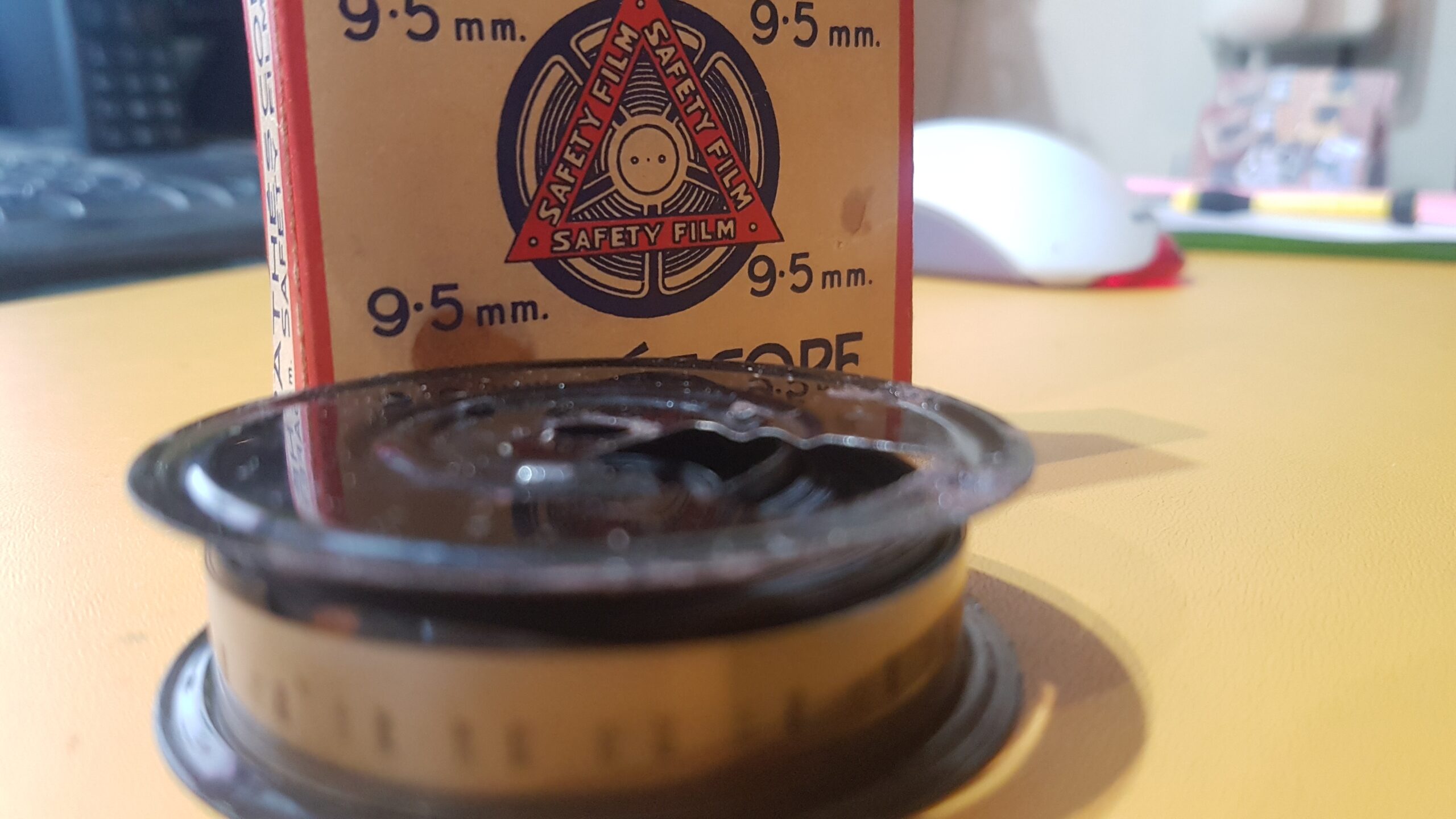
The 9.5mm cine format occupies a unique place in home movie history. Introduced by Pathé during the 1920s, it became one of Europe’s most popular amateur film formats long before Super 8 or Standard 8 existed.
Unlike other gauges, 9.5mm film uses a distinctive central sprocket hole between each frame. This clever design maximised the picture area, allowing surprisingly large images despite the narrow film width.
That same design also makes the format considerably more challenging to digitise correctly.
Many surviving reels are now approaching or exceeding a century old. During that time they may have experienced fluctuating temperatures, damp storage conditions, dust, shrinkage or repeated projection. Every one of these factors affects how safely the film can travel through scanning equipment.
If you’re unfamiliar with the origins of this historic format, Supaphoto’s guide covering the early development of Pathé home movies explains how 9.5mm became one of Britain’s earliest domestic filmmaking standards.
Why Home Transfer Equipment Falls Short
Many people search for ways to transfer cine film themselves. On paper it sounds simple.
In reality, domestic solutions usually involve compromises.
The most common approaches include:
- Projecting 9.5mm onto a wall and filming with a phone.
- Recording the projected image using a digital camera.
- Budget consumer film converters.
- Modified projectors.
- Older telecine equipment.
Each introduces problems that are difficult or impossible to eliminate.
Reduced Resolution
Most inexpensive transfer devices capture only a fraction of the information contained within each frame.
A professional scanner captures every frame individually with a high-resolution imaging sensor, preserving much finer detail.
Poor Exposure Control
Old cine films rarely have perfectly consistent exposure.
Some scenes have beautiful lighting, while others look underexposed or overexposed.
Consumer machines generally apply one exposure setting throughout the reel.
Professional scanners continually optimise exposure throughout scanning, recovering considerably more shadow and highlight detail.
Flicker Problems
When filming a projected image, projector speed and camera frame rate rarely stay perfectly synchronised.
This produces the familiar flickering effect seen on many DIY transfers.
Professional frame-by-frame scanners avoid this issue because they do not use projection.
Image Instability
Home transfer methods often reproduce:
- vertical weave
- horizontal movement
- gate bounce
- vibration
- projector judder
Professional scanning systems register each frame independently, producing a far steadier image.
Why a Professional 5K Scanner Makes Such a Difference
Modern archive-grade scanners bear little resemblance to traditional projectors.
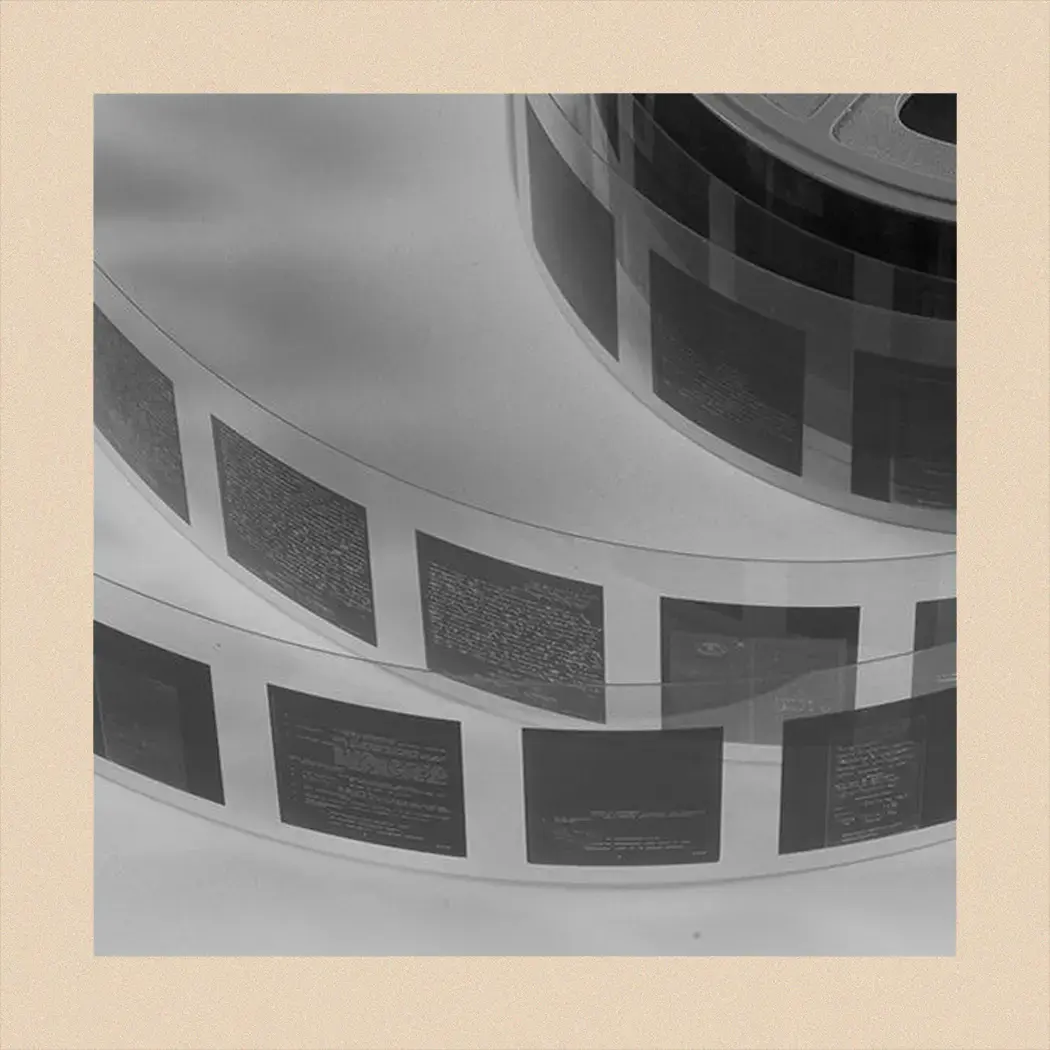
Instead of projecting moving film continuously, the scanner advances the film frame by frame.
The scanner photographs each image individually before moving the next frame into position.
This provides numerous advantages.
Maximum Image Detail
A 5K capture records exceptionally fine detail from every frame.
Although 9.5mm film itself has physical limitations, higher-resolution scanning preserves subtle textures that lower-resolution systems simply overlook.
This additional information also benefits future restoration work.
Greater Dynamic Range
Older film frequently contains delicate highlight and shadow information.
Professional sensors capture a broader tonal range, helping preserve:
- cloud detail
- facial features
- clothing textures
- building detail
- landscape definition
Better Colour Recovery
Many colour cine films fade unevenly over time.
Professional scanning software allows experienced operators to rebalance colour while respecting the original appearance of the film.
The objective is restoration—not artificial enhancement.
Improved Sharpness
Consumer equipment often softens the image.
Professional optics designed specifically for film scanning deliver significantly greater clarity without introducing harsh digital sharpening.
Every Reel Is Different
One misconception is that you can scan all cine reels using identical settings.
Experienced technicians know the opposite is true.
Every reel differs according to:
- age
- storage conditions
- film stock
- camera exposure
- processing quality
- physical wear
- colour fading
- shrinkage
Professional operators continually adjust scanning parameters to obtain the best possible result from each reel.
Fragile Film Requires Gentle Handling
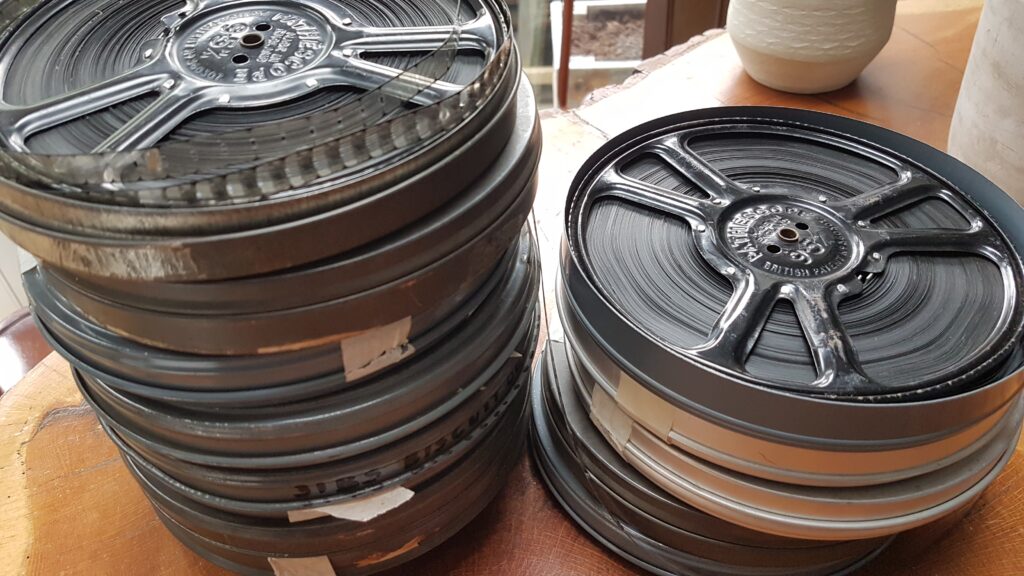
Many 9.5mm reels have become increasingly delicate.
Older acetate film may suffer from:
- brittleness
- warped edges
- damaged perforations
- dried splices
- curling
- dirt accumulation
Attempting to run fragile reels through unsuitable equipment risks permanent damage.
Professional inspection identifies problems before scanning begins.
Where appropriate, damaged joins may be repaired, loose sections secured and reels carefully prepared to minimise stress during transfer.
Why Frame-by-Frame Scanning Is Safer
Traditional projection pulls film continuously through the gate at speed.
Frame-by-frame scanners move much more gently.
This greatly reduces mechanical stress while allowing each individual frame to be captured with precision.
For historically important family films, that gentler handling can make a significant difference.
Digital Restoration Without Losing Authenticity
A good transfer should remain faithful to the original film.
Professional restoration is intended to improve viewing while preserving authenticity.
Typical improvements may include:
- dust reduction
- scratch reduction
- flicker correction
- exposure balancing
- colour balancing
- image stabilisation
Excessive digital processing can make historic film look unnatural.
Experienced operators aim for subtle improvements that respect the original footage.
What Happens During a Professional Transfer?
Although every company follows slightly different procedures, a high-quality workflow generally includes:
| Stage | Purpose |
|---|---|
| Inspection | Assess condition and identify damage |
| Cleaning | Remove loose surface contamination |
| Preparation | Repair minor joins where appropriate |
| Frame-by-frame scanning | Capture every frame individually |
| Colour and exposure optimisation | Improve consistency |
| Stabilisation | Reduce unwanted movement |
| Quality control | Check the completed digital files |
| Delivery | Save to USB, digital download or DVD if required |
Can Sound Be Preserved?
Some 9.5mm films include optical or magnetic sound depending on their age and production.
Where compatible equipment exists and the soundtrack remains recoverable, professional scanning may allow sound to be digitised alongside the picture.
Not every reel contains audio, so expectations should be discussed before scanning begins.
Choosing the Right Digital Format
Once scanning has been completed, you’ll usually receive the finished films in modern digital formats suitable for today’s devices.
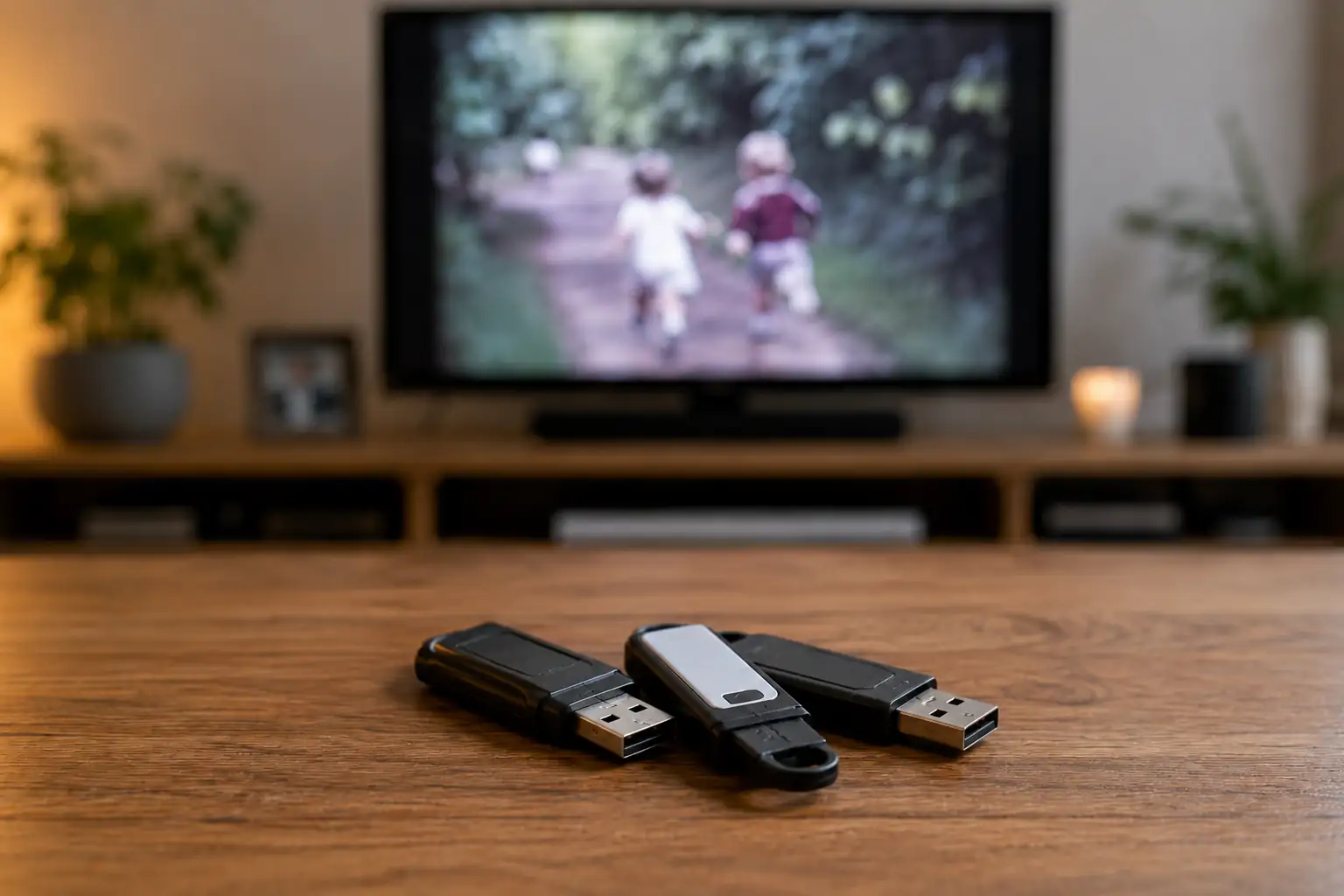
Many families choose USB because it offers excellent compatibility with televisions, laptops and computers. Others still prefer DVD for straightforward playback on existing players.
If you’re comparing different delivery options, the guidance available on preserving cine collections on USB explains why many people now favour digital files for long-term accessibility.
Common Mistakes to Avoid
Many disappointing transfers happen because people understandably underestimate the complexity of historic film.
Avoid these common mistakes:
- Projecting fragile reels repeatedly.
- Cleaning film with household products.
- Using excessive digital sharpening.
- Storing reels in lofts or garages.
- Assuming every scratch can be removed.
- Choosing services based solely on price.
A high-quality scan preserves your original film while giving future generations the best possible digital version.
Looking After Your Original Reels
Even after digitisation, never dispose of your original films.
Digital copies provide convenient viewing, but the film remains the original archive.
Store reels:
- upright where practical
- in cool, dry conditions
- away from direct sunlight
- away from radiators
- in ventilated archival containers where possible
The British Library and The National Archives both provide valuable information about preserving historic collections and archival materials.
Frequently Asked Questions
Is 9.5mm film better scanned than projected?
Yes. Frame-by-frame scanning generally captures significantly more detail while avoiding projector flicker and reducing wear on valuable originals.
Can badly faded films be improved?
Often yes. Colour balancing and exposure correction can recover much of the original appearance, although severely faded film cannot always be restored completely.
Does 5K mean the film becomes modern HD quality?
No. The scan captures the maximum practical detail present in the original film. It cannot create information that was never recorded by the camera.
Can broken reels still be digitised?
In many cases, yes. Minor repairs may allow fragile reels to be scanned safely, although every reel must be assessed individually.
Should I throw away the originals after digitisation?
No. Your original film is the master archive and should always be retained even after creating digital copies.
Why Professional 9.5mm Cine Film Scanning Is an Investment in Preservation
Historic family films are irreplaceable.
Once deterioration progresses beyond a certain point, no amount of digital technology can recover lost images.
Professional 9.5mm film scanning is about far more than convenience. It is an opportunity to preserve birthdays, weddings, holidays, family homes and people who may no longer be with us.
A carefully performed frame-by-frame scan using professional 5K equipment captures the highest practical quality while treating ageing film with the respect it deserves.
Whether your reels are nearly a century old or have been stored safely for decades, investing in expert digitisation today greatly increases the chances that future generations will still be able to enjoy those memories tomorrow.