
What Does VHS Stand For?
VHS stands for Video Home System, the analogue videotape cassette format once used to record television programmes, play films and preserve home videos before DVDs and digital files became common.
- VHS means Video Home System.
- It was developed by JVC and became popular from the late 1970s onwards.
- VHS tapes store video and sound on magnetic tape.
- The format became the main home video system of the 1980s and 1990s.
- Old VHS tapes can deteriorate, grow mould or become hard to play.
- Converting VHS to DVD, USB or digital files helps protect old recordings.

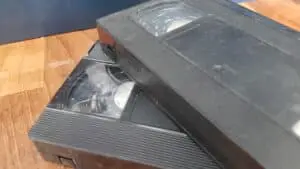
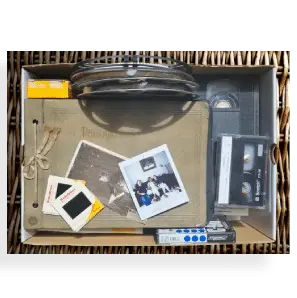
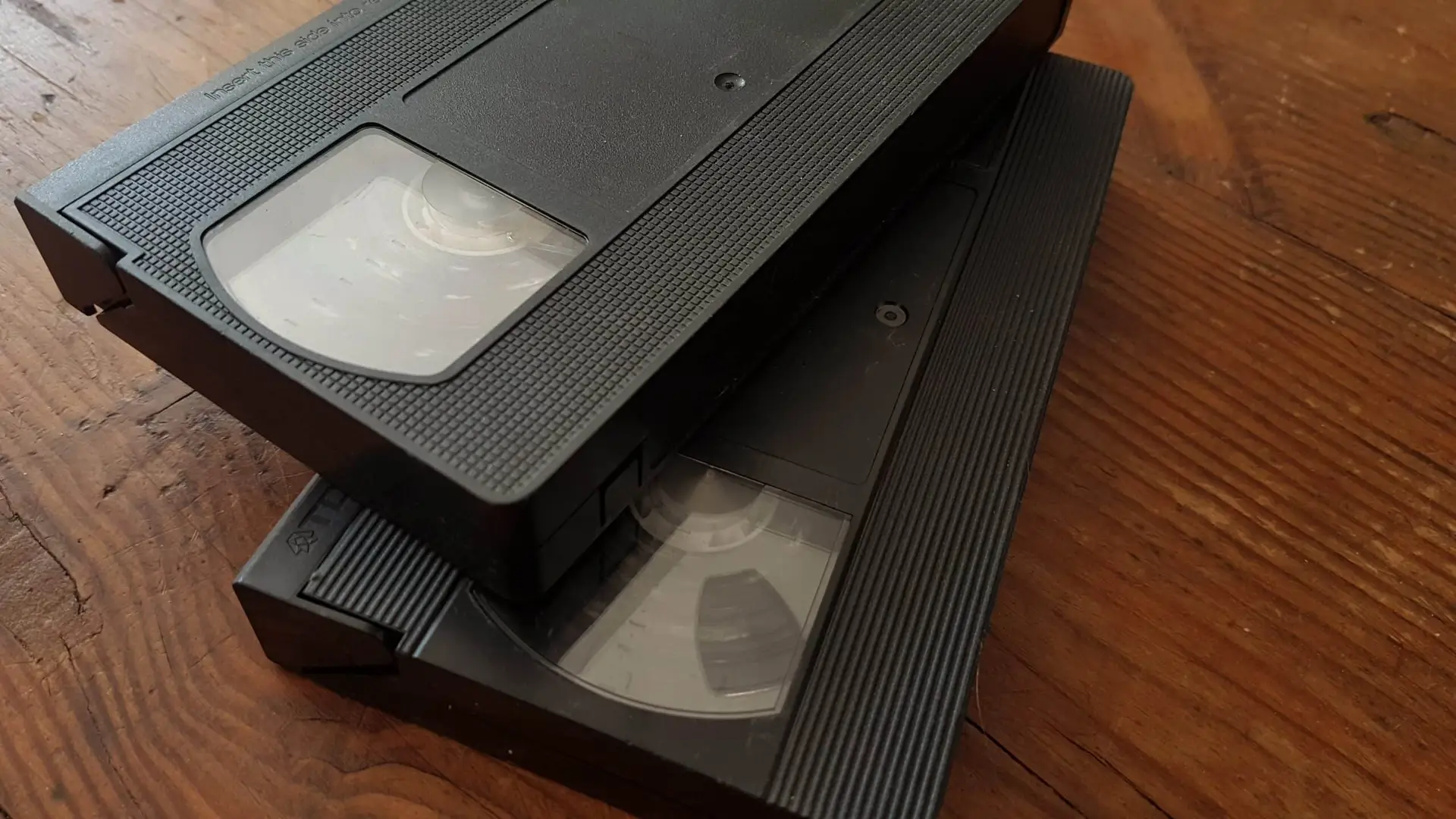
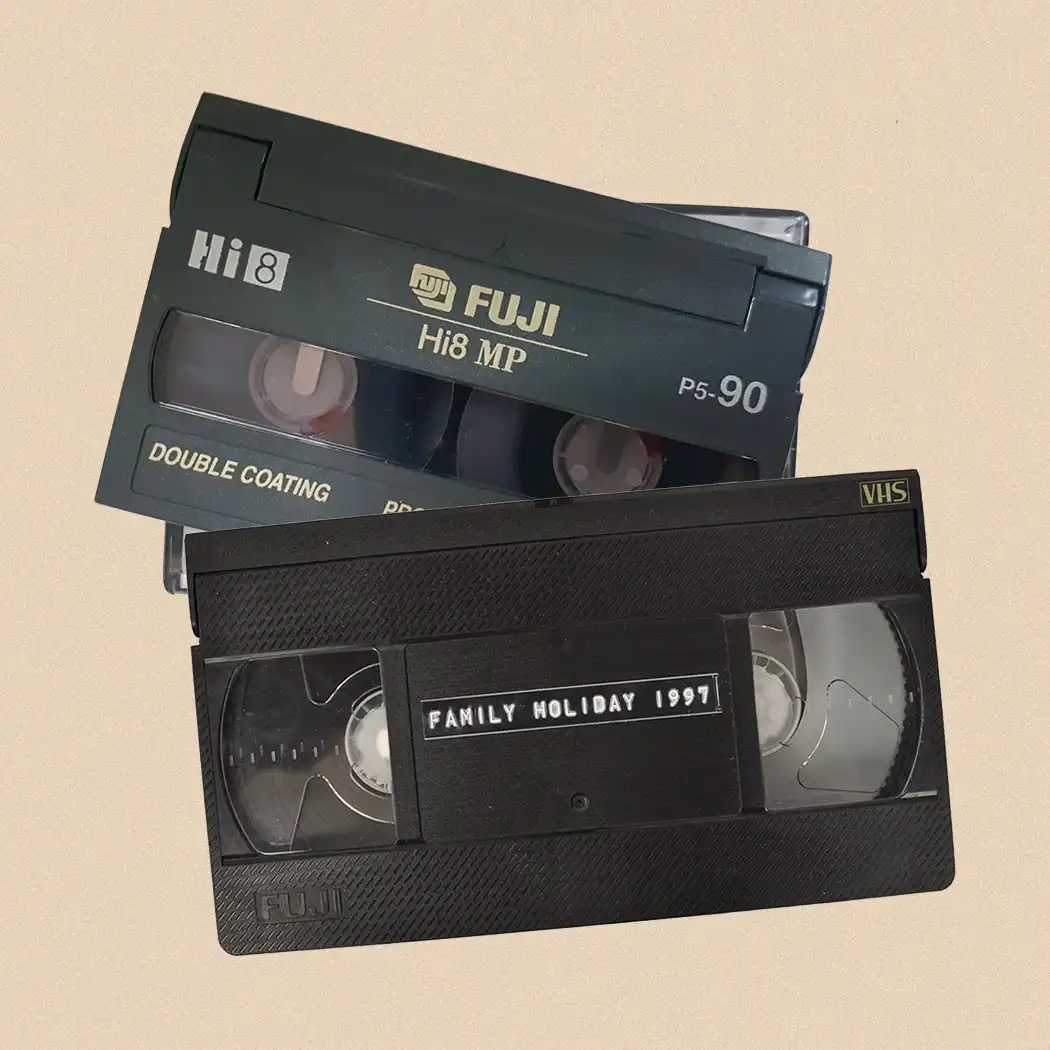
A VHS cassette may contain anything from recorded television to irreplaceable family memories.
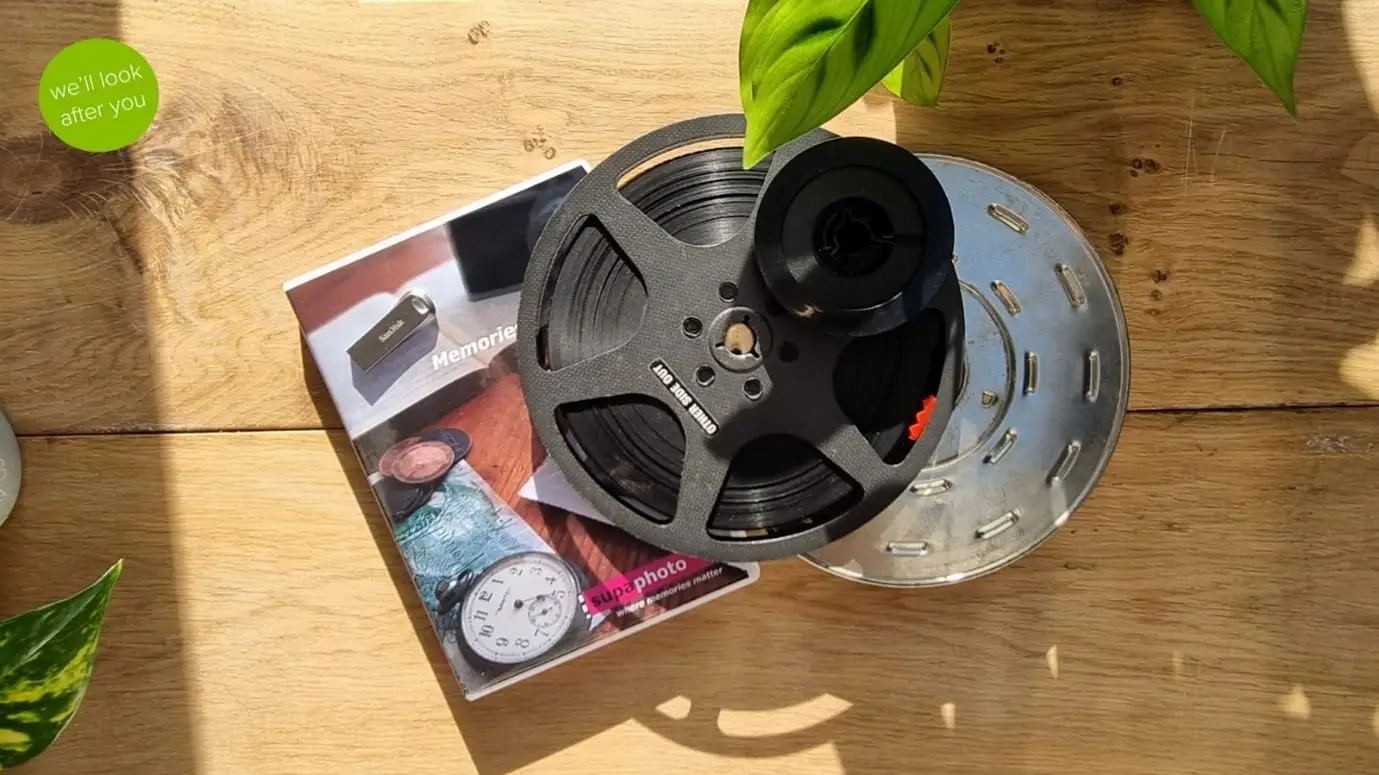
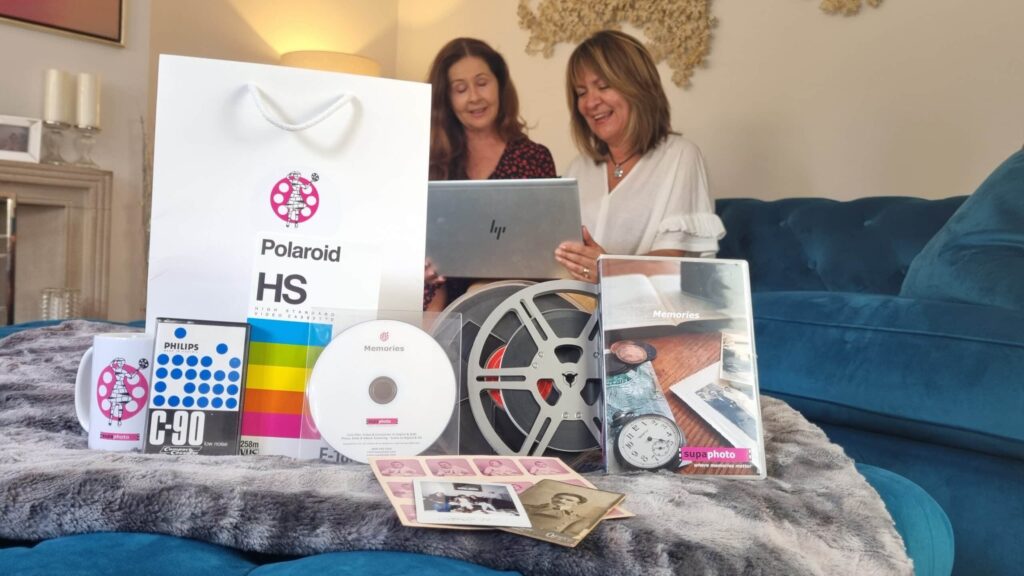
© Image by Supaphoto
What Does VHS Mean?
VHS means Video Home System. It was a home video format that allowed people to record and play moving pictures using a video cassette recorder, usually called a VCR.
For many UK families, VHS became part of everyday life. People used it to record television programmes, rent films from video shops, watch children’s favourites, copy camcorder footage and preserve special occasions.
A VHS tape may look simple from the outside, but inside it contains magnetic tape wound between two reels. When played in a VCR, the machine reads the tape and turns the recorded signal into picture and sound.
Why Was It Called Video Home System?
The name “Video Home System” described exactly what the format was designed to do: bring video recording and playback into the home.
Before VHS, most people watched television live. If you missed a programme, you missed it. VHS changed that. Families could record a favourite show, pause memories, replay events and build collections of films and home recordings.
The word “home” was important. VHS was not only for broadcasters or professionals. It was made for ordinary households.
How VHS Works
A VHS cassette stores video and audio as an analogue signal on magnetic tape. When inserted into a VCR, the tape passes around spinning video heads. These heads read the information and send it to a television.
Because VHS is analogue, the quality depends heavily on the condition of the tape and the playback machine. This is why old tapes can show:
- fuzzy picture
- tracking lines
- rolling images
- colour fade
- muffled sound
- picture dropouts
- tape noise
- unstable playback
Unlike a digital file, a VHS tape physically wears each time it is played. Poor storage, damp, heat and mould can make the problem worse.
Expert Insight
Archive organisations such as the British Film Institute treat video formats as important cultural records. Family VHS tapes may be personal, but they can preserve voices, homes, clothes and moments that no one can recreate.
Why VHS Became So Popular
VHS became popular because it was practical, affordable and easy to use. By the 1980s and 1990s, millions of households had a VCR connected to the family television.
People used VHS for:
- recording TV programmes
- watching rented films
- filming family events
- copying camcorder tapes
- keeping school plays and weddings
- recording sport, music and children’s programmes
VHS also became the winner of the home video format battle against Betamax. Although Betamax had supporters, VHS became more widely adopted, partly because it offered longer recording times and stronger support from manufacturers, rental shops and consumers.
VHS, VHS-C and S-VHS
Not every old videotape is standard VHS. Many people use the word VHS to describe all old tapes, but there are several related formats.
VHS
This is the full-size cassette used in most home video recorders.
VHS-C
VHS-C means compact VHS. These smaller tapes were often used in camcorders. They sometimes need an adaptor before playback, but old adaptors can be unreliable.
S-VHS
S-VHS means Super VHS. It offered improved picture quality and was used by enthusiasts, schools, clubs and some professional users.
Other Similar Formats
Some tapes that look like “old video tapes” may actually be Video8, Hi8, Digital8, MiniDV, Betamax or another format. Supaphoto’s video preservation specialists can help identify unknown tapes before conversion.
How Long Do VHS Tapes Last?
There is no exact lifespan for a VHS tape. Some remain playable after decades, while others deteriorate badly because of poor storage.
A tape’s condition depends on:
- temperature
- humidity
- mould exposure
- how often it was played
- tape quality
- cassette shell condition
- storage position
- condition of the VCR used
Tapes stored in lofts, garages, sheds or damp cupboards are at higher risk. Heat can affect the tape, while moisture can encourage mould.
If a VHS tape contains something important, it is sensible to digitise it before the tape or playback equipment fails.
Expert Insight
Store VHS tapes upright, dry and away from heat. If you see white, grey or powdery marks through the cassette window, do not play the tape in a home VCR.
Common VHS Problems
Mould
Mould can spread across the tape and contaminate playback machines. Mouldy tapes need specialist inspection before transfer.
Tracking Lines
Tracking problems can cause horizontal lines, jumping pictures or unstable playback.
Tape Damage
A faulty VCR can crease, stretch, snap or chew the tape.
Sound Issues
Old VHS tapes may have quiet, muffled or distorted audio.
Picture Fade
Colours can fade over time, especially if the tape has been stored poorly.
Can VHS Tapes Still Be Played?
Yes, VHS tapes can still be played if you have a working VCR. However, reliable VHS players are becoming harder to find. Many machines are now old, worn or unserviced.
A player that switches on is not always safe. It may have dirty heads, weak belts or a faulty loading mechanism. Before using an important tape, test the machine with a tape that does not matter.
If the cassette contains a wedding, birthday, family holiday, school play or footage of a loved one, professional inspection is usually safer.
VHS to DVD, VHS to USB or VHS to Digital?
Once people understand what VHS stands for, the next question is usually what to do with old tapes.
VHS to DVD
DVD is familiar and easy for many people to play, especially older relatives who already have a DVD player.
VHS to USB
USB is convenient for watching on many computers, laptops and modern televisions.
VHS to Digital Files
Digital files, such as MP4, are often the most flexible option. They can be copied, backed up, edited and shared with family.
Supaphoto can help you convert old VHS recordings into digital files so they are easier to watch, store and share.
DIY VHS Digitisation: What Is Involved?
DIY VHS transfer is possible, but it takes time and care. You need a working VCR, suitable cables, a capture device, computer software and enough storage space.
The transfer happens in real time. A two-hour VHS tape takes at least two hours to capture, plus extra time for setup, checking, file naming and backups.
Common DIY mistakes include:
- playing mouldy tapes
- using a faulty VCR
- choosing poor capture settings
- recording with missing sound
- using the wrong aspect ratio
- over-compressing the file
- failing to check the full recording
- keeping only one copy
DIY may be fine for unimportant tapes, but valuable family recordings need more care.
Why Many People Choose Professional VHS Transfer
A professional digitisation company does more than press play and record. It can reduce risk, improve reliability and help protect original tapes.
Supaphoto Ltd works from a dedicated UK studio and handles old tapes with careful inspection, order tracking, specialist equipment, quality assurance and experienced technicians. Where appropriate, tapes can be assessed for repair or mould treatment before transfer.
This is especially useful when tapes are fragile, damaged, mouldy or emotionally important. For many families, the most valuable part of a VHS tape is not the cassette itself, but the people, voices and memories recorded on it.
Expert Insight
The first playback after many years can be the most important one. Inspect the cassette before playing it, especially if the recording is irreplaceable.
What Can You Do After Digitising VHS?
Digitising VHS makes old recordings easier to watch, organise and share. It also helps protect memories before the original tape becomes harder to play.
| Project idea | What you can create | Best format |
|---|---|---|
| Family archive | Organised folders by year or event | Digital files |
| Birthday gift | A short film of childhood clips | MP4 |
| Wedding anniversary | A preserved copy of wedding footage | USB or DVD |
| Memory box | USB with videos, photos and written notes | USB |
| Family history project | Combine tapes with scanned photos | Digital archive |
| Care home viewing | Simple copies for older relatives | DVD or USB |
| Private sharing | Clips for family WhatsApp or cloud folders | MP4 |
For creative ways to enjoy old recordings again, Supaphoto’s inspiration section gives families practical ideas for bringing memories back into everyday life.
FAQs About What VHS Stands For
What does VHS stand for?
VHS stands for Video Home System.
Who invented VHS?
VHS was developed by JVC and became widely used from the late 1970s onwards.
Is VHS the same as a video tape?
VHS is one type of video tape. Other formats include VHS-C, S-VHS, Betamax, Video8, Hi8 and MiniDV.
Can VHS tapes still be converted?
Yes. VHS tapes can usually be converted to DVD, USB or digital files if they are still playable.
Can mouldy VHS tapes be saved?
Often they can, but they need specialist assessment. Do not play mouldy tapes in a normal VCR.
Should I keep VHS tapes after digitising?
Yes, if they are important to you. Keep the originals somewhere dry and stable, even after conversion.
Conclusion
VHS stands for Video Home System, but for many families it means much more than that. A VHS tape can hold weddings, childhood memories, holidays, voices, celebrations and everyday moments that deserve to be protected.
As tapes and players continue to age, digitising VHS is one of the safest ways to keep those recordings watchable for the future.
Newsletter sign-up: Join the Supaphoto newsletter for practical tips on preserving old tapes, photos and family memories.
Request a quotation: Ask Supaphoto for a quote if you would like your VHS tapes inspected and converted to DVD, USB or digital files.
Social media share or follow: Share this guide with someone who still has old tapes at home, or follow Supaphoto for more preservation advice.