
How Long Do Cassette Tapes Last?
Cassette tapes can last for decades, but they do not have a fixed expiry date. The tape formulation, how often you play it and, most importantly, how you store it all affect its lifespan. Over time, heat, humidity, contamination and repeated playback can damage old audio tapes. If a recording contains valuable memories, check its condition and consider preserving it before deterioration makes playback difficult.
Six warning signs to look for
- Muffled, distorted or inconsistent sound
- Squealing or unusual noises during playback
- Tape that sticks or leaves residue
- Brittle, creased, tangled or damaged tape
- Mould or visible contamination
- Reels that will not wind or play correctly
If a cassette contains an irreplaceable recording, any of these warning signs should prompt you to take action rather than repeatedly playing the tape.
Why Do Old Audio Tapes Deteriorate?
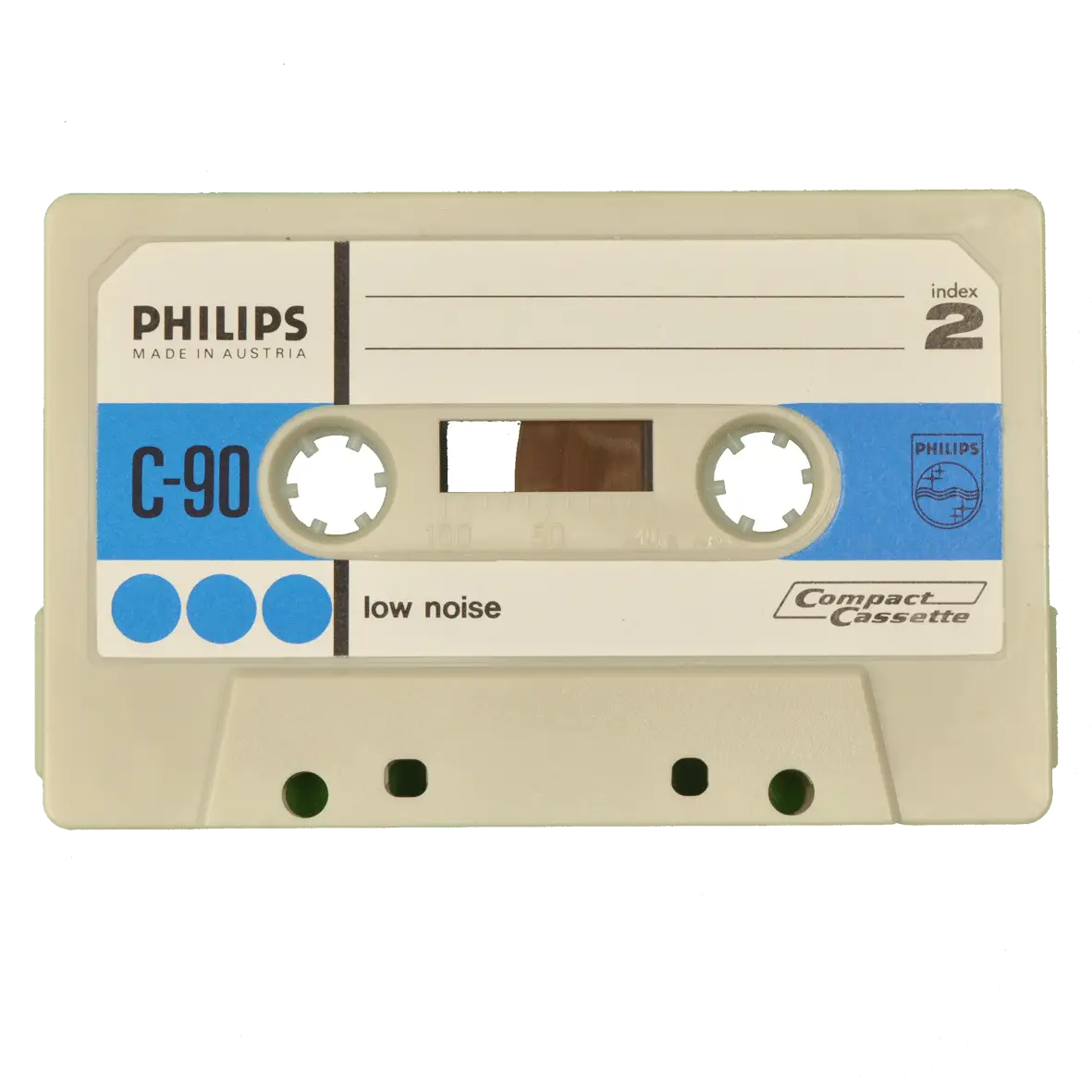
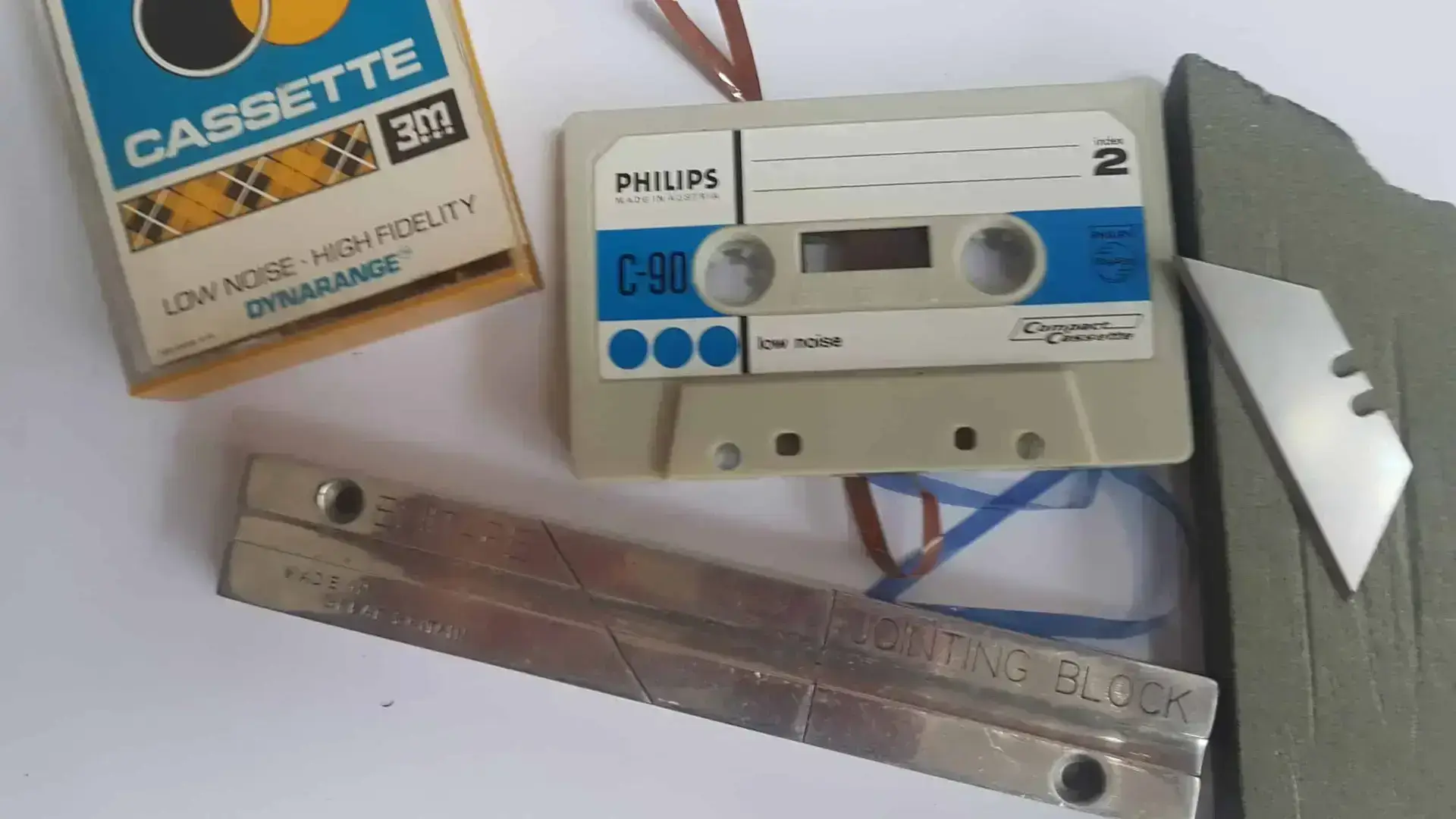
A compact cassette contains a thin magnetic tape, a recording coating, a plastic base and several mechanical components that allow the tape to move through the cassette and playback machine.
Age alone does not determine whether a cassette will still play. Two tapes from the same decade can have very different conditions because manufacturers used different materials and because owners stored tapes in different environments.
Heat, moisture, changing temperatures, dust, magnetic fields and repeated mechanical use can all contribute to deterioration. Stable environmental conditions can slow chemical changes within magnetic tape, which is why preservation organisations recommend controlling temperature and humidity where possible.
The International Association of Sound and Audiovisual Archives highlights the importance of suitable storage conditions when preserving magnetic recordings.
How long should cassette tapes last?
No reliable number of years applies to every cassette tape. A well-stored tape may remain playable for decades, while another tape can develop problems much sooner because of its materials or storage history.
For that reason, judge a cassette by its condition rather than its age.
A cassette from the 1980s does not automatically need replacing, just as a newer cassette does not automatically remain safe to play. If the recording matters to you, inspect it before repeated playback.
Six Signs Your Cassette Tapes Are Deteriorating
Some deterioration becomes obvious when you look at a cassette. Other problems only appear when you try to play it.
1. The Sound Becomes Muffled or Distorted
A recording may gradually lose clarity or develop dropouts, distortion or other changes in sound quality.
The tape itself may cause the problem, but contamination, the cassette mechanism or the playback equipment can also affect the sound. If several cassettes suddenly produce similar problems, check the equipment before assuming that every tape has deteriorated.
However, if one particular cassette has changed noticeably from previous playback, treat that change as a warning.
2. The Cassette Squeals During Playback
Squealing during playback deserves attention, particularly when the cassette previously played normally.
Certain forms of magnetic tape deterioration can cause the tape to interact abnormally with the playback mechanism. The Library of Congress describes how some degraded tapes can become sticky and leave material on guides and playback heads.
If a valuable cassette starts squealing, avoid repeatedly rewinding and replaying it. Each additional playback puts the tape through more mechanical stress and could make an existing problem worse.
3. The Tape Sticks or Leaves Residue
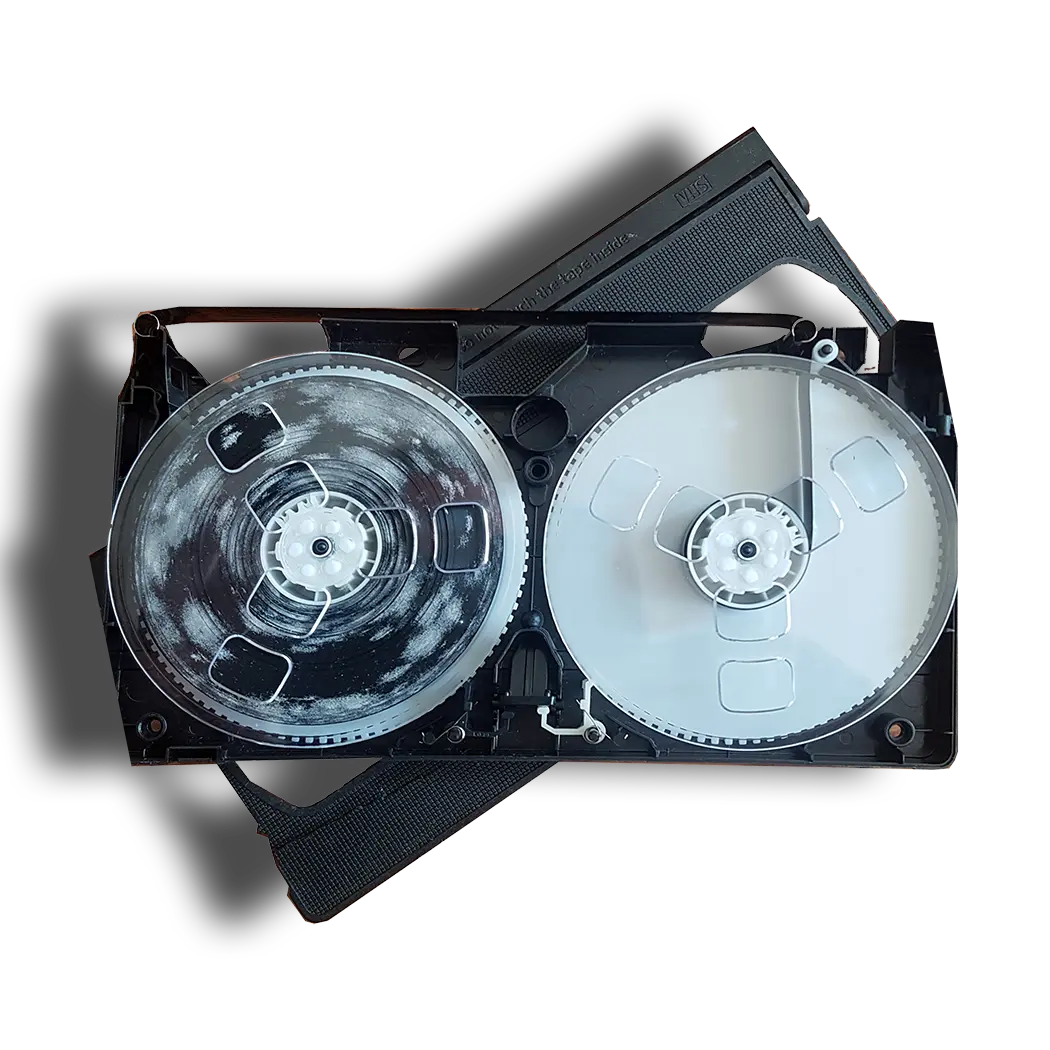
Some magnetic tapes develop a condition known as sticky shed syndrome. Deterioration of the binder can make the tape surface sticky, causing it to shed material or interfere with the playback equipment.
The Library of Congress associates this problem particularly with some polyester-urethane binder formulations used in analogue audio and video tapes from the 1970s onwards.
If a cassette leaves residue or appears to stick during playback, stop using it rather than trying to force it through the machine.
4. The Tape Looks Physically Damaged
Inspect an old cassette before putting it into a player.
Look for:
- Loose or unevenly wound tape
- Creases or folds
- A damaged cassette shell
- Broken pressure pads or other components
- Tape that has escaped from the shell
- Dirt or foreign material
- Signs of mould or contamination
Physical damage can make playback unreliable and increase the chance of further damage.
5. The Cassette Will Not Wind Properly
A cassette can develop mechanical problems even when the shell looks fine.
If the reels feel stiff, refuse to turn or move erratically, do not force them. The problem may involve the cassette mechanism rather than the magnetic tape itself, and forcing the reels could damage the tape.
6. A Previously Playable Recording Becomes Difficult to Play
A change from previous playback provides an important warning.
If a cassette once played normally but now stops, squeals, distorts or produces inconsistent sound, treat the change seriously. For important recordings, create a digital copy while the original remains recoverable rather than waiting for the problem to become worse.
What Causes Cassette Tape Deterioration?
Several factors can affect the condition of old audio tapes.
| Cause | What can happen | What you can do |
|---|---|---|
| Heat | Speeds up chemical deterioration | Keep tapes away from heat sources |
| High humidity | Encourages chemical degradation and mould | Choose a dry, stable environment |
| Temperature fluctuations | Increase the risk of condensation and physical stress | Avoid unstable areas such as lofts and sheds |
| Repeated playback | Adds mechanical wear | Limit unnecessary playback |
| Dust and dirt | Interferes with tape movement and playback | Keep cassettes enclosed and clean |
| Strong magnetic fields | Can threaten recorded information | Keep tapes away from strong magnetic sources |
| Poor storage | Increases chemical and physical deterioration | Use suitable cases and stable conditions |
The National Archives recommends suitable containers and upright storage for magnetic media, while also advising that collections remain away from equipment that produces magnetic fields.
Where Should You Store Old Audio Tapes?
A loft, garage or shed might seem like a convenient place to keep a box of old cassettes, but these areas can experience large changes in temperature and humidity.
For important recordings, choose a stable indoor environment. Keep tapes:
- Away from radiators, boilers and direct sunlight
- Away from damp areas
- Protected from dust
- Upright where practical
- In suitable cases or containers
- Away from strong magnetic fields
- In an environment with reasonably stable temperature and humidity
The International Association of Sound and Audiovisual Archives stresses the importance of environmental stability alongside suitable temperature and humidity.
The National Archives collection guidance also provides practical advice for caring for archival materials.
Should You Play an Old Cassette to Check It?
Not necessarily.
If a cassette contains an irreplaceable family recording, unnecessary playback can add mechanical wear and expose an existing problem. Start with a visual inspection instead.
Check the cassette for damaged shells, loose tape, contamination, mould or other obvious problems. If you notice sticking, shedding, serious contamination or physical damage, seek specialist advice before attempting playback.
What about cleaning an old cassette?
Do not assume that household cleaning products will safely clean an old cassette.
The tape surface contains the recorded information, so inappropriate solvents, moisture or physical contact could damage it. The Library of Congress explains that preservation procedures need to match the condition and type of recording.
If you are unsure what has affected a valuable cassette, avoid experimenting with cleaning methods.
Can a Deteriorating Cassette Be Saved?
Sometimes, but the answer depends on the type and severity of the deterioration.
A specialist can assess the cassette, determine whether it can play safely and select suitable equipment and techniques. Some tapes affected by sticky shed syndrome can receive controlled treatment that makes playback possible for recovery.
However, no single treatment works for every degraded tape. The International Association of Sound and Audiovisual Archives explains that different forms of magnetic tape deterioration require different approaches.
Do not try to heat a valuable cassette in a domestic oven. Specialist treatment requires controlled conditions and a clear understanding of the tape’s condition.
The goal should not simply be to get one more playback. The priority should be to recover the recording safely while the tape remains recoverable.
Why Convert Cassette Tapes to Digital?
Cassette tapes rely on physical media and compatible playback equipment. A digital copy makes the recording easier to access, share and preserve.
This matters particularly for family recordings, interviews, music performances and spoken memories that you may not want to risk playing repeatedly.
Supaphoto provides cassette-to-digital transfers so you can create accessible digital copies while retaining the original cassette where practical.
Keep the original after digitisation if its history or provenance matters to you. The digital copy provides convenient access, while the original remains an important part of the recording’s history.
What Should You Do If You Have a Box of Old Cassettes?
You do not need to play every cassette immediately. Start by identifying the recordings that matter most.
Use this simple checklist
- Identify irreplaceable family recordings, interviews and personal memories.
- Inspect the cassettes for visible damage or contamination.
- Avoid unnecessary playback.
- Move tapes away from unsuitable storage conditions.
- Prioritise recordings that contain important or unique information.
- Create high-quality digital copies while the tapes remain playable.
- Keep more than one copy of important digital files.
Digital preservation also requires ongoing care. The National Archives guidance on preserving digital collections recommends maintaining and monitoring digital copies rather than treating digitisation as the end of the preservation process.
Are Old Audio Tapes Worth Keeping?
Yes, particularly when the recording contains something you cannot replace.
An ordinary cassette might hold the voice of a parent or grandparent, a childhood recording, an interview, a family event or an important piece of local history. The cassette itself may look unremarkable, but the information recorded on it can have enormous personal or historical value.
That is why appearance alone does not tell you whether a cassette matters. A tape that looks perfectly healthy can still deteriorate over time.
Frequently Asked Questions
Do cassette tapes deteriorate with age?
Yes. Chemical and physical changes can affect magnetic tape over time. The speed and severity of deterioration vary according to the tape formulation, storage conditions, handling and playback history.
How do I know if my cassette tapes are going bad?
Look and listen for warning signs such as muffled or distorted sound, squealing, sticking, residue, damaged tape, winding problems or changes from previous playback.
Can a damaged cassette tape be restored?
Some damaged tapes can undergo specialist treatment to make safe playback possible. The appropriate approach depends on the type and severity of the deterioration.
Is it safe to put an old cassette tape in the oven?
No. Do not attempt domestic heating as a DIY solution. Specialist treatment may use controlled heat for particular types of tape deterioration, but professionals must assess the tape and control the process.
What is the best way to preserve old audio tapes?
Store the originals in suitable, stable conditions and create high-quality digital copies while the recordings remain recoverable. Keep multiple digital copies of recordings that you cannot replace.
Preserve Important Recordings Before Warning Signs Appear
Cassette tapes were designed for everyday listening, not indefinite archival storage. That does not mean every old cassette will suddenly fail, but valuable recordings can become harder to recover as deterioration progresses.
If your old audio tapes contain family memories, interviews, personal recordings or irreplaceable voices, consider their condition now rather than waiting for obvious problems to appear.
Start by inspecting and storing them correctly, then prioritise important recordings for digitisation. Creating a digital copy reduces the need to repeatedly play the original and gives you a more convenient way to access the recording.
For longer-term care, consider protecting audio recordings for longer-term preservation and maintaining suitable digital copies alongside the original media.
When a recording has real personal or historical value, choosing a professional company with years of experience, such as Supaphoto Ltd, can help you preserve the content while the original tape remains recoverable.